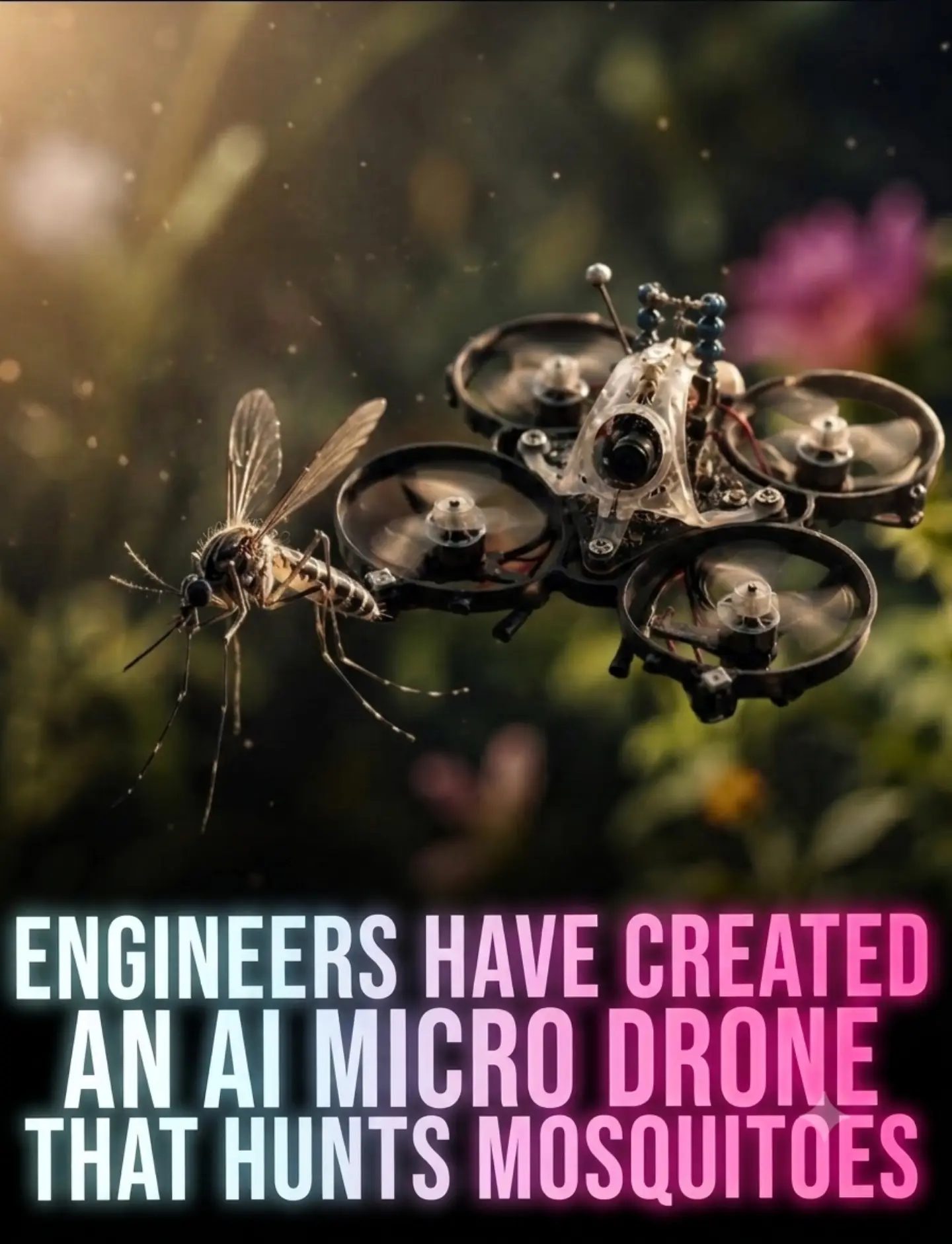
AI Micro Drone Mosquito Hunter
AI microdrones represent a groundbreaking advancement in pest control, particularly in the fight against mosquitoes. These miniature, autonomous drones are engineered with a single mission: to hunt and eliminate mosquitoes with remarkable precision. Unlike traditional methods, which often involve chemical sprays or blunt-force approaches, these drones utilize artificial intelligence and advanced sensors to target mosquitoes in mid-air.
Context and Why This Matters
The impact of mosquitoes on global health cannot be overstated. mosquitoes are known to transmit diseases like malaria, dengue fever, and Zika virus, causing millions of deaths and illnesses annually. Traditional pest control methods, while effective to some extent, have significant drawbacks. Chemical sprays can be harmful to the environment and non-target organisms, and they often require repeated applications. Blunt-force methods, such as insecticide fogging, can be disruptive and ineffective in densely populated areas. The development of AI micro drones offers a more targeted and environmentally friendly solution.
Main Discussion
The Technology Behind AI Microdrones
AI micro drones are equipped with a suite of cutting-edge technologies that enable them to detect, track, and eliminate mosquitoes with high precision. These drones typically weigh around 40 grams, making them lightweight and agile enough to navigate through the air with ease. Here's a closer look at the key components:
Sensors and Detection
- Ultra-sensitive microphones: These microphones can detect the distinct wingbeat frequencies of mosquitoes, allowing the drone to pinpoint its target even in noisy environments.
- Ultrasonic sensors: These sensors provide additional data that helps the drone navigate and avoid obstacles, ensuring it can operate safely in various settings.
Artificial Intelligence
The drone's AI is the brains of the operation. Once a mosquito is detected, the AI takes control of the drone, guiding it through a high-speed pursuit to intercept the target. The AI continuously processes data from the sensors, making real-time adjustments to ensure the drone stays on course and maintains its relentless pursuit.
Precision and Efficiency
The combination of advanced sensors and AI enables the drone to operate with ruthless precision. By targeting mosquitoes with such accuracy, these drones reduce the need for broad-spectrum pest control measures, minimizing collateral damage to the environment.
Applications and Benefits
The potential applications of AI microdrones extend far beyond mosquito control. Here are some areas where this technology could make a significant impact:
Public Health
AI drones could be deployed in areas with high mosquito populations, such as tropical regions or areas affected by disease outbreaks. By reducing the mosquito population, these drones could help prevent the spread of diseases and improve public health outcomes.
Environmental Conservation
Traditional pest control methods often involve the use of chemicals that can harm non-target organisms and pollute the environment. AI drones provide a more environmentally friendly alternative, reducing the reliance on harmful chemicals and minimizing environmental impact.
Agricultural Pest Control
Mosquitoes can also be a nuisance in agricultural settings, where they can disrupt farming activities and feed on crops. AI drones could be used to control mosquito populations in these areas, protecting crops and improving yields.
Challenges and Considerations
While AI microdrones hold immense potential, there are several challenges and considerations that need to be addressed:
Regulatory Hurdles
The deployment of autonomous drones in public spaces is subject to various regulations and restrictions. Navigating these legal requirements will be crucial for the widespread adoption of this technology.
Ethical Concerns
The use of drones for pest control raises ethical questions, particularly regarding the impact on other species and the potential for misuse. It is essential to develop guidelines and regulations that ensure the responsible use of this technology.
Technological Limitations
Although the technology behind AI microdrones is impressive, there are still limitations to overcome. Ensuring the reliability and accuracy of the drones in real-world conditions, as well as extending their battery life and operational range, will be key to their success.
Practical Tips
For those interested in implementing AI microdrones for pest control, here are some practical tips to consider:
- Conduct a Thorough Needs Assessment: Understand the specific requirements and challenges of the area where the drones will be deployed. This will help in selecting the right technology and ensuring its effectiveness.
- Collaborate with Experts: Work with experts in drone technology, public health, and environmental science to develop a comprehensive strategy for deploying the drones.
- Monitor and Evaluate: Continuously monitor the performance of the drones and evaluate their impact on pest control. This will help in making necessary adjustments and improving the technology over time.
Important Takeaways
- Precision and Efficiency: AI microdrones offer a precise and efficient alternative to traditional pest control methods, targeting mosquitoes with unmatched accuracy.
- Environmental Benefits: By reducing the reliance on harmful chemicals, these drones contribute to environmental conservation.
- Public Health Impact: AI drones have the potential to significantly improve public health outcomes by controlling the spread of mosquito-borne diseases.
Conclusion
AI microdrones represent a significant leap forward in the field of pest control, particularly in the fight against mosquitoes. By leveraging advanced sensors and artificial intelligence, these miniature drones offer a targeted, environmentally friendly solution to a global health challenge. As the technology continues to evolve, the potential applications and benefits of AI microdrones are likely to expand, making them an invaluable tool in the ongoing battle against disease.
Questions readers ask
How do mosquito hunting drones work?
AI-powered mosquito hunting drones use advanced sensors and artificial intelligence to detect and target mosquitoes in mid-air. These microdrones are designed to be silent and precise, making them an effective and eco-friendly solution for mosquito elimination, without relying on harmful chemicals.
What makes AI mosquito hunting drones an eco-friendly pest control solution?
AI mosquito hunting drones offer an eco-friendly alternative to traditional pest control methods. They eliminate the need for chemical sprays, which can harm the environment and other organisms, by specifically targeting mosquitoes in mid-air and eliminating them with a precise and silent technology.
Can these drones help prevent the spread of mosquito-borne diseases?
By effectively reducing the mosquito population, AI mosquito hunting drones can play a crucial role in minimizing the spread of mosquito-borne diseases like malaria, dengue fever and Zika. These diseases cause millions of deaths and illnesses every year, highlighting the significant impact of such automated pest control solutions.
How do AI mosquito hunting drones fit into the broader pest control war?
AI mosquito hunting drones represent a new frontier in the ongoing pest control war. Traditional methods such as chemical sprays and blunt force approaches are often less effective and can harm the environment. These drones offer a precise, automated, and eco-friendly method to combat mosquito infestations, enhancing the overall effectiveness of pest control efforts.
What are the benefits of using AI in mosquito control?
AI technology enables mosquito hunting drones to operate with high precision and efficiency. By using sensors and AI algorithms, these drones can accurately identify and target mosquitoes, reducing the use of broad-spectrum pesticides and minimizing the impact on non-target species. Additionally, the autonomous nature of these drones allows for continuous and effective pest control without constant human intervention.
Can mosquito hunting drones be used in both urban and rural areas?
Micro drones for pest control are adaptable and can be deployed in both urban and rural areas. These drones are designed to be unobtrusive and can navigate various environments, making them suitable for different landscapes. However, the effectiveness of their operations may vary depending on factors such as terrain, weather conditions, and the density of the mosquito population.
How do mosquito hunting drones impact the environment?
AI mosquito hunting drones have the potential to significantly reduce the environmental impact of pest control. By using precise targeting and avoiding the use of harmful chemicals, these drones help to minimize the broader environmental effects of traditional mosquito control methods. Their silent drone technology also adds to their eco-friendly profile, ensuring minimal disturbance to surrounding ecosystems.
Related deep dives
Similar reads based on topic and creator.




Recent articles
Fresh deep dives from the latest Reels we unpacked.




Comments
Be the first to comment.