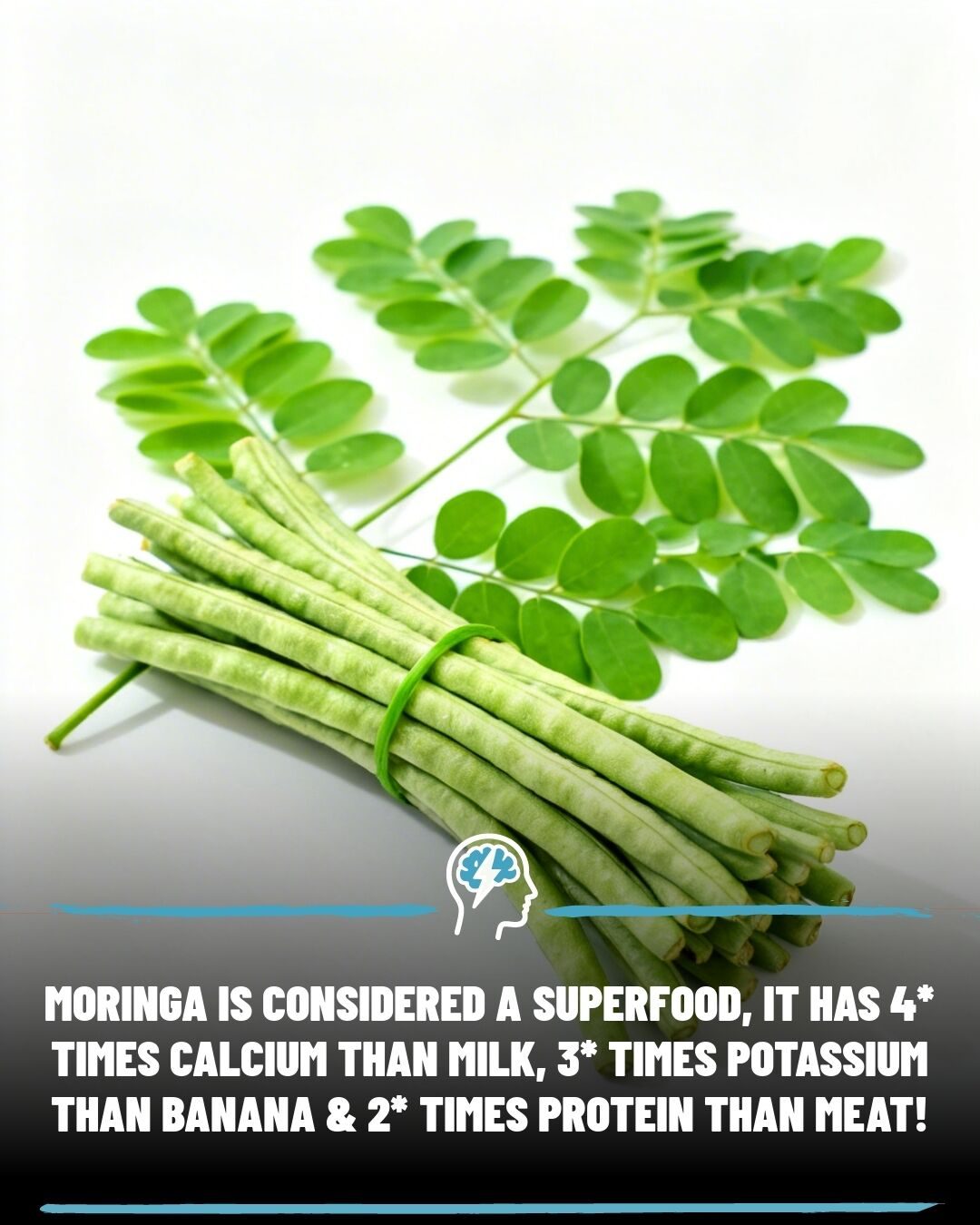
Moringa, a plant known for its nutritional powerhouse status, has quickly gained attention for its exceptional calcium content. Fresh moringa leaves contain about four times more calcium than milk per gram. In fact, dried moringa powder can contain an astonishing 17 times more calcium than milk. The nutritional density of moringa makes it a compelling option for those seeking plant-based calcium sources. This article explores the benefits of moringa and its potential role in a balanced diet.
Context / Why This Matters
Calcium is essential for maintaining bone density, supporting muscle function, and enabling proper nerve signaling. For individuals following plant-based diets, finding reliable sources of calcium can be challenging. Dairy products are often the go-to for calcium, but for those avoiding dairy, alternatives like moringa offer a valuable option.
Moringa's calcium content is just one of its many benefits. It also contains significant amounts of potassium and protein, making it a versatile addition to a variety of diets. Fresh moringa leaves and stems are packed with these nutrients, highlighting the plant's potential as a superfood.
Nutritional Benefits of Moringa
Calcium
Moringa's standout feature is its high calcium content. A 10-gram serving of moringa provides roughly 150 mg of calcium, which is about 15% of the daily recommended intake. This makes moringa a reliable source of calcium for those who need to supplement their diet or are looking for a plant-based alternative to dairy.
Potassium
Potassium is another essential nutrient found in abundance in moringa. It plays a crucial role in maintaining heart health, regulating blood pressure, and supporting muscle and nerve function. Moringa contains three times more potassium than bananas, making it an excellent source for those who need to boost their potassium intake.
Protein
For those looking to increase their protein intake, moringa is a great option. It contains twice as much protein as meat, making it a valuable addition to vegetarian and vegan diets. Protein is essential for building and repairing tissues, producing enzymes and hormones, and maintaining overall health.
Incorporating Moringa into Your Diet
Adding moringa to your diet can be both easy and delicious. Here are some practical tips for incorporating this superfood into your meals:
Smoothies
Moringa leaves can be blended into smoothies, adding a nutritional boost without altering the taste significantly. Pair it with fruits like bananas and berries for a tasty and nutritious beverage.
Soups and Stews
Fresh moringa leaves or dried moringa powder can be added to soups and stews. This not only enhances the nutritional value but also adds a unique flavor profile to your dishes.
Teas
Moringa leaves can be brewed into a tea, providing a soothing and nutritious beverage. This is a great way to enjoy moringa's benefits, especially if you prefer a simpler preparation method.
Salads
Fresh moringa leaves can be added to salads, providing a crunchy and nutrient-rich base. Mix them with other greens, vegetables, and your favorite dressing for a well-rounded meal.
Important Takeaways
Moringa is a versatile and nutritious addition to any diet, particularly for those seeking plant-based sources of calcium, potassium, and protein. Here are the key takeaways:
- Moringa is a calcium powerhouse, containing up to 17 times more calcium than milk in its dried powder form.
- It is also rich in potassium and protein, making it a valuable addition to a balanced diet.
- Moringa can be incorporated into various dishes, from smoothies to soups and salads.
- Pairing moringa with vitamin D and other nutrients that support calcium absorption can help your body utilize it more effectively.
- Remember that while moringa offers many benefits, it should be part of a well-rounded diet that includes a variety of foods.
Conclusion
Moringa's exceptional nutritional profile makes it a standout superfood. Its high calcium, potassium, and protein content, along with its versatility in cooking, make it an excellent addition to any diet. Whether you're looking to boost your calcium intake, add more potassium to your meals, or increase your protein consumption, moringa offers a reliable and tasty solution. Experiment with different ways to incorporate moringa into your diet and enjoy the numerous benefits it provides.
Questions readers ask
How does the calcium content in moringa leaves compare to that in milk?
Fresh moringa leaves contain approximately four times more calcium per gram than milk. This makes moringa an excellent plant-based alternative for those looking to increase their calcium intake without relying on dairy products.
What are the benefits of consuming moringa for bone health?
Moringa's high calcium content supports bone density, making it beneficial for maintaining strong bones. Additionally, the plant's other nutrients, such as potassium, contribute to overall bone health and muscle function.
Can moringa be used as a dairy-free calcium source?
Absolutely. Moringa is a great dairy-free option for those seeking to boost their calcium intake. With its high calcium content, especially in dried powder form, moringa can be easily incorporated into various dishes and beverages.
What other nutrients does moringa offer besides calcium?
Moringa is a nutritional powerhouse, containing not only calcium but also significant amounts of protein, potassium, and various vitamins. These nutrients work together to support overall health, muscle function, and nerve signaling.
How can I incorporate moringa into my diet for better bone health?
You can add fresh moringa leaves to salads, smoothies, or stir-fries. Dried moringa powder can be mixed into juices, soups, or even used as a seasoning. Regular consumption can help ensure you're getting a good dose of plant-based calcium and other beneficial nutrients.
Is moringa suitable for those with muscular and nerve health concerns?
Yes, moringa's rich nutritional profile, including high calcium and potassium content, can support muscle function and nerve signaling. Regular consumption may help those with concerns about muscle and nerve health.
What is the protein content in moringa, and how does it benefit overall health?
Moringa contains a significant amount of protein, which is essential for muscle repair and growth. The plant's protein, combined with its high calcium and other nutrient content, makes it a valuable addition to a balanced diet for overall health and well-being.
Related deep dives
Similar reads based on topic and creator.



Recent articles
Fresh deep dives from the latest Reels we unpacked.




Comments
Be the first to comment.