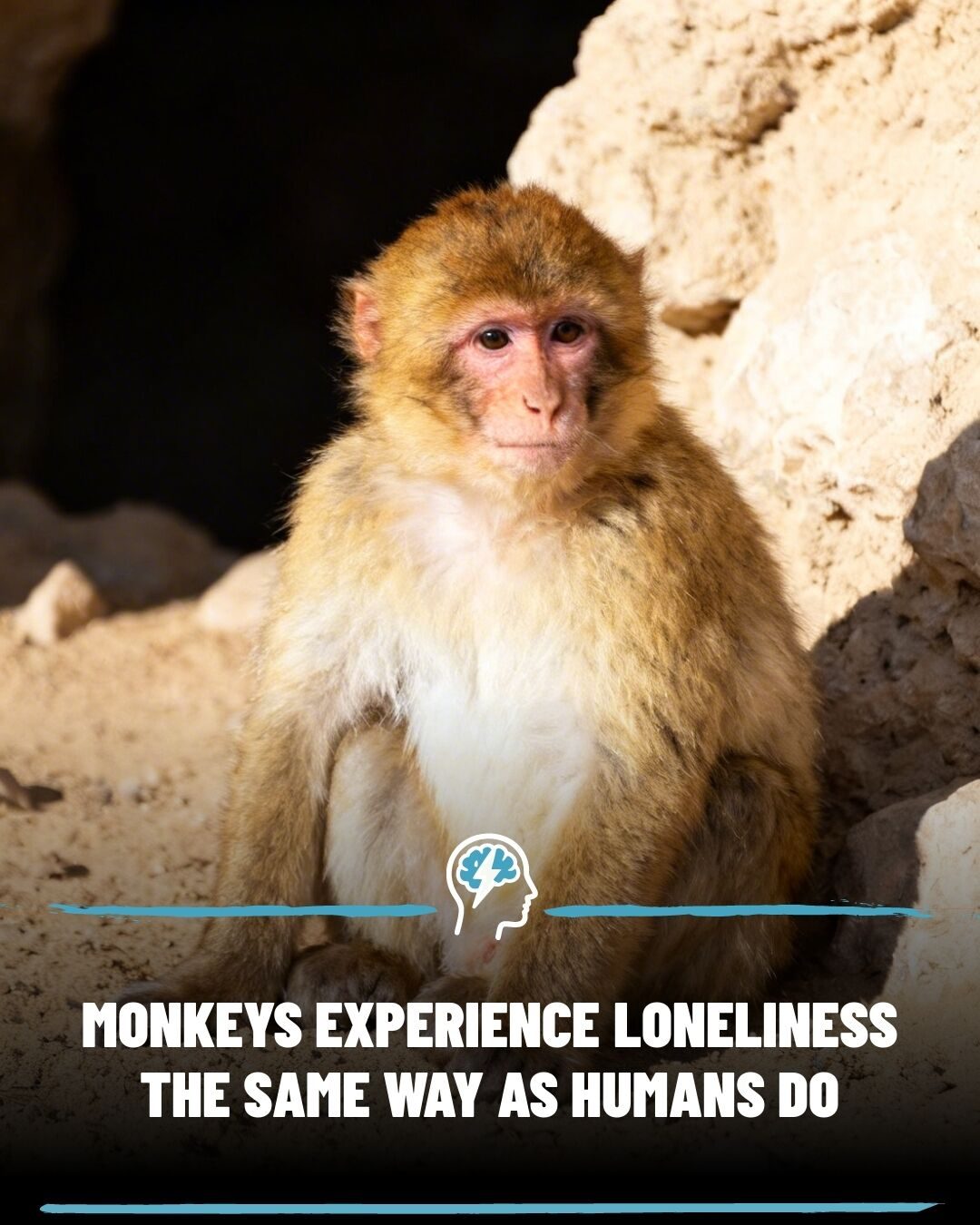
Monkeys and Loneliness
Loneliness is a universal human experience, but it might not be uniquely human. Recent research suggests that monkeys, particularly rhesus monkeys, may experience loneliness in ways remarkably similar to us. This discovery sheds light on the biological and physiological aspects of loneliness, revealing that it is not just a psychological state but also a deeply ingrained biological response.
Why this matters
Understanding loneliness as a biological phenomenon shared across primate species can have profound implications for human health and well-being. It highlights the importance of social connections and the potential biological impacts of feeling disconnected.
What is loneliness in monkeys?
The concept of loneliness in monkeys might seem surprising, but research indicates that these primates experience it in ways that are strikingly similar to humans. Studies on rhesus monkeys have shown that those who feel a gap between their desired social connections and their actual social life exhibit physiological changes that mirror those seen in lonely humans.
Physiological changes
Both lonely monkeys and lonely humans display elevated sympathetic nervous system activity. This means their stress response stays more active than usual. Additionally, studies have found altered immune cell profiles and reduced anti-viral immune responses in both species. These findings suggest that loneliness triggers a cascade of stress responses that can affect the immune system.
Stress and immune response
Research indicates that both monkeys and humans show increased levels of urinary norepinephrine metabolites, a marker of stress. Moreover, there is a reduced sensitivity to cortisol regulation in both species. This means that loneliness not only affects their mental state but also has a tangible impact on their physical health.
How is loneliness studied in monkeys?
The research on monkeys is particularly compelling because it studies naturally occurring loneliness, not forced isolation. This suggests that the subjective feeling of disconnection, rather than simply being alone, may drive these biological changes. The fact that these changes occur in a natural setting makes the findings more robust and applicable to understanding human loneliness.
What do these findings mean for humans?
The implications of these findings are significant. They highlight that loneliness may be an ancient experience shared across primate species, with real effects on our biology. Understanding its evolutionary roots could guide future research on social health and well-being. It emphasizes the importance of connection and social bonds, showing that our bodies respond to these needs even at the cellular level.
Implications for mental health
For humans, this research underscores the importance of social connections for mental health. It suggests that feeling disconnected can have a profound impact on our stress levels and immune function. This knowledge can inform strategies to combat loneliness and promote social health.
Practical tips to combat loneliness
While these findings are significant, it's important to remember that they represent ongoing research. However, there are practical steps individuals can take to combat loneliness and promote social well-being:
- Maintain Social Connections: Regularly engage with friends, family, and community. Social support is crucial for mental and physical health.
- Seek Professional Help: If feelings of loneliness persist, consider seeking help from a mental health professional. They can provide strategies and support to manage loneliness.
- Engage in Meaningful Activities: Participate in activities that bring joy and fulfillment. This can include hobbies, volunteering, or joining clubs and groups.
- Practice Self-Care: Take care of your physical health through exercise, a balanced diet, and adequate sleep. Physical well-being can positively impact mental health.
Important takeaways
Loneliness is more than just a psychological state; it has biological and physiological components that affect both humans and monkeys. The research on rhesus monkeys reveals that loneliness can trigger a cascade of stress responses that impact the immune system. This understanding can guide future research and interventions aimed at improving social health and well-being.
Conclusion
The discovery that monkeys experience loneliness in ways similar to humans highlights the deep biological roots of this phenomenon. It underscores the importance of social connections for both mental and physical health. By understanding the evolutionary and biological aspects of loneliness, we can develop more effective strategies to combat it and promote overall well-being. Connection matters, and our bodies seem to know it, even at the cellular level.
Questions readers ask
How do monkeys exhibit signs of loneliness?
Monkeys, particularly rhesus monkeys, exhibit signs of loneliness through changes in their behavior and physiology. These can include increased stress responses, changes in hormone levels, and alterations in social interactions, similar to how humans might react when feeling lonely.
What physiological changes occur in monkeys when they are lonely?
Loneliness in monkeys triggers physiological changes such as elevated stress hormone levels, increased heart rate, and altered immune responses. These changes are similar to those observed in humans when experiencing loneliness, indicating a shared biological response.
Why is it important to study loneliness in monkeys?
Studying loneliness in monkeys helps researchers understand the biological mechanisms behind this emotion. This insight can provide valuable information about the impacts of loneliness on mental and physical health in humans and highlight the importance of social connections.
How does loneliness affect the health of monkeys?
Loneliness in monkeys can lead to increased stress, which in turn can weaken their immune system and make them more susceptible to diseases. This mirrors the health impacts seen in humans, underscoring the broader significance of social connections for overall well-being.
Can loneliness in monkeys be alleviated through social interaction?
Yes, just like in humans, loneliness in monkeys can be mitigated through social interaction. Providing monkeys with opportunities to form and maintain social bonds can help reduce their stress levels and improve their overall health.
Are there any specific behaviors that indicate a monkey is lonely?
Monkeys may exhibit specific behaviors when they are lonely, such as increased vocalizations, changes in grooming habits, and reduced social activity. These behaviors are similar to those observed in humans and can serve as indicators of loneliness in these primates.
How does the study of loneliness in monkeys contribute to human understanding?
The study of loneliness in monkeys offers a unique perspective on the universality of this emotion. By understanding the biological underpinnings of loneliness in monkeys, researchers can gain insights into the underlying mechanisms in humans, potentially leading to better strategies for addressing loneliness and improving social well-being.
Related deep dives
Similar reads based on topic and creator.




Recent articles
Fresh deep dives from the latest Reels we unpacked.




Comments
Be the first to comment.