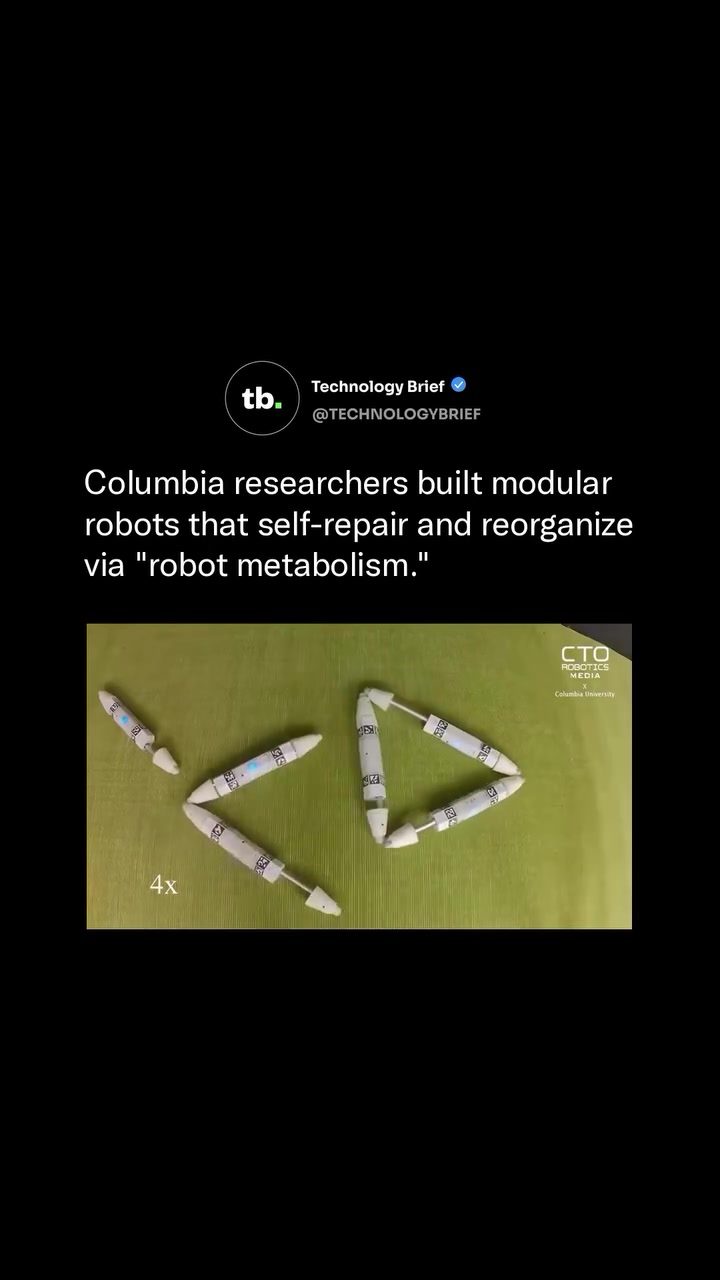
Modular Robots and the Concept of Robot Metabolism
Modular robots represent a cutting-edge innovation in the field of robotics. Researchers at Columbia University have developed a groundbreaking system known as Robot Metabolism, which allows small modular robots to grow, self-repair, and reorganize autonomously. These modular robots, composed of extendable, stick-like rods called Truss Links, can snap together at various angles to form intricate shapes and structures.
Why This Matters
Robot Metabolism opens new avenues for robotics, particularly in environments where human intervention is impossible. These modular robots can self-assemble into 3D shapes, adapt to damage, and even optimize their performance in real-time. This technology could revolutionize industries like disaster response, deep space exploration, and automated manufacturing.
The Science Behind Robot Metabolism
Robot Metabolism is a term coined by researchers at Columbia University to describe the process through which modular robots can grow, self-repair, and reorganize. This concept is inspired by biological metabolism, where living organisms can grow, heal, and adapt to their surroundings.
The fundamental building blocks of these robots are Truss Links. These are extendable, stick-like rods with magnetic connectors at each end. The connectors allow the rods to snap together at different angles, enabling the creation of flat or full 3D shapes. This modular design is key to the robots' ability to self-repair and reorganize.
Self-Assembly and Reorganization
One of the most impressive features of these modular robots is their ability to self-assemble from flat 2D arrangements into complex 3D structures. For instance, in tests, the modules assembled themselves into 3D pyramid shapes. This capability is crucial for applications where robots need to adapt to changing environments or tasks.
The Truss Links are designed to connect effortlessly, making it possible for the robots to reorganize and adapt to new conditions quickly. This self-assembly process not only saves time but also reduces the need for human intervention, making the robots more efficient and reliable.
Self-Repair and Adaptation
The modular robots are equipped with the ability to self-repair. If a part breaks, the system can shed the damaged component and pull in a replacement from its surroundings or from another robot nearby. This feature is particularly useful in environments where human repairs are impractical, such as disaster zones or deep space.
In a notable test, one of the modular robots added an extra Truss Link, which allowed it to move downhill 66% faster. This demonstrates the robots' ability to self-optimize and adapt to their environment for improved performance.
Practical Applications
The potential applications of these modular robots are vast and varied. They could be used in disaster zones to quickly assemble structures for rescue and recovery operations. In deep space, these robots could maintain and repair equipment, reducing the need for human intervention. In manufacturing, they could automate the assembly of various products, leading to increased efficiency and reduced costs.
The Future of Modular Robotics
The research on Robot Metabolism, published in the journal Science Advances, marks a significant milestone in the field of robotics. It is the first demonstration of robots that can physically grow and improve through machine metabolism. The team at Columbia University envisions a future where these robots can sustain themselves in harsh environments, performing tasks that were previously impossible.
Practical Tips for Utilizing Modular Robots
Choosing the Right Modular Robots
When considering the use of modular robots, it's essential to choose the right type for your specific application. For example, if you need robots for disaster response, ensure they have robust self-repair capabilities and can operate in harsh conditions. For manufacturing, select robots with high precision and the ability to adapt to different tasks.
Maintaining Modular Robots
Maintenance is a critical aspect of utilizing modular robots effectively. Regular inspections and upgrades can ensure that the robots remain in optimal working condition. Since these robots can self-repair, it’s crucial to have a stock of replacement parts readily available.
Training and Integration
Training personnel to use and integrate modular robots into existing systems is essential. This includes understanding how to program the robots, monitor their performance, and troubleshoot any issues that arise. Proper training can significantly enhance the efficiency and effectiveness of modular robots in various applications.
Important Takeaways
- Modular robots with Robot Metabolism can grow, self-repair, and reorganize autonomously.
- These robots are composed of Truss Links, which allow for versatile and adaptable structures.
- The technology has potential applications in disaster response, deep space exploration, and automated manufacturing.
- Regular maintenance and training are crucial for the effective use of modular robots.
Conclusion
The advent of modular robots with Robot Metabolism represents a significant leap forward in robotics. Their ability to self-assemble, self-repair, and adapt to changing conditions makes them invaluable in a wide range of applications. As research continues to advance, these robots will likely become even more sophisticated and versatile, paving the way for new innovations and possibilities in technology.
Questions readers ask
What are Truss Links and how do they function in modular robots?
Truss Links are extendable, stick-like rods used in modular robots developed by Columbia University. They have magnetic connectors that allow them to snap together at various angles, enabling the robots to form complex shapes and structures autonomously.
How does Robot Metabolism enable self-repair in modular robots?
Robot Metabolism is the autonomous self-assembly process that allows modular robots to adapt to damage. When a robot experiences damage, its Truss Links can detach and reconfigure in real-time, repairing the system and restoring functionality.
What are the potential applications of self-repairing robots in disaster response?
Self-repairing robots can be invaluable in disaster response scenarios. They can autonomously navigate and adapt to hazardous environments, creating stable structures or performing repairs without human intervention, enhancing safety and efficiency.
How can modular robots benefit deep space exploration?
Modular robots equipped with Robot Metabolism can adapt to the unique challenges of deep space. They can self-repair and reorganize to handle unexpected obstacles, optimize performance in real-time, and potentially build structures or equipment in space, reducing the need for human intervention.
What role do modular robots play in automated manufacturing?
In automated manufacturing, modular robots can autonomously self-assemble into specific configurations to handle various tasks. They can adapt to different production needs, optimize workflows in real-time, and even self-repair in case of malfunctions, leading to increased efficiency and reduced downtime.
Can modular robots from Columbia University be used to prevent disasters?
Preventing disasters directly is challenging, but modular robots can help mitigate risks. They can monitor and assess hazardous environments autonomously, and even self-repair and reorganize to create stable structures that can protect against potential disasters, such as landslides or floods.
How do modular robots optimize performance in real-time?
Modular robots use their autonomous self-assembly capabilities through Robot Metabolism to optimize performance in real-time. By continually adjusting their configurations, they can improve efficiency, adapt to new tasks, and respond to changes in their environment, ensuring optimal functionality.
Related deep dives
Similar reads based on topic and creator.




Recent articles
Fresh deep dives from the latest Reels we unpacked.




Comments
Be the first to comment.