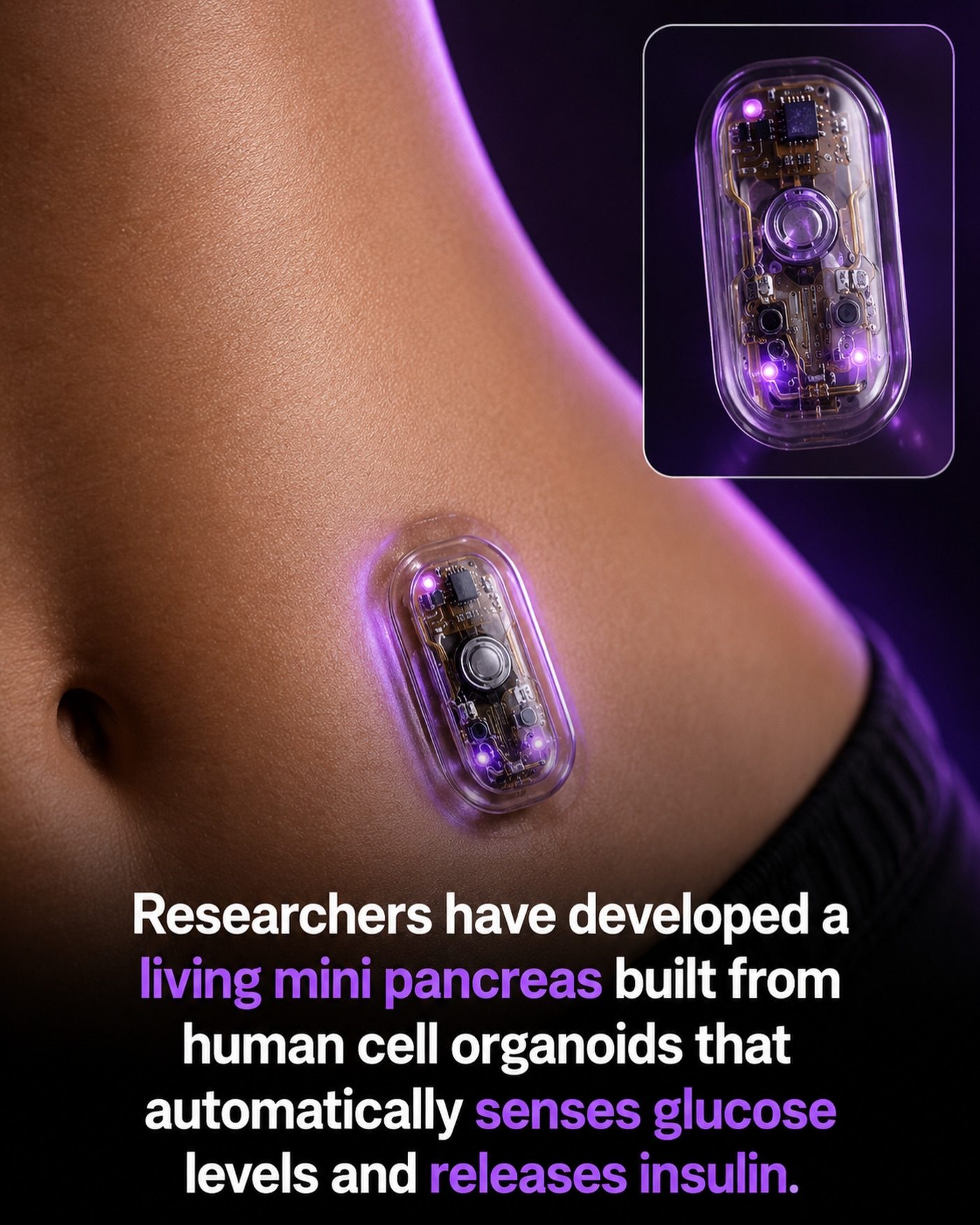
Mini Pancreas Organoids and Their Impact on Diabetes Management
Mini pancreas organoids represent a significant advancement in medical technology, particularly for individuals with type 1 diabetes. These organoids are essentially living, lab-grown tissues that mimic the function of a human pancreas. They are designed to sense glucose levels automatically and release insulin accordingly, bringing us closer to a future where lab-grown tissues can replicate real pancreatic function.
Why This Matters
Type 1 diabetes is an autoimmune condition that destroys the beta cells in the pancreas, which are responsible for producing insulin. This destruction leads to a dependency on external insulin sources, typically delivered through pumps or injections. The development of mini pancreas organoids offers a promising solution by providing a transplantable tissue that can respond to blood sugar levels independently. This could significantly reduce the reliance on traditional insulin delivery methods.
The Science Behind Mini Pancreas Organoids
What Are Organoids?
Organoids are three-dimensional, in vitro models derived from stem cells or organ progenitor cells. They are grown in a lab to mimic the structure and function of organs. In the case of mini pancreas organoids, these structures are designed to perform the essential functions of a pancreas, particularly the production and release of insulin in response to glucose levels.
How Do Mini Pancreas Organoids Work?
The key function of mini pancreas organoids is their ability to sense glucose levels and coordinate the release of insulin. This is achieved through the presence of islet-like cells within the organoids. These cells are similar to the beta cells found in a healthy pancreas and can perform the same glucose-sensing and insulin-releasing functions.
The Role of Human Cell Organoids
The use of human cell organoids is crucial for several reasons. Firstly, they provide a biologically relevant model for studying pancreatic function and disease. Secondly, they offer a potential source of transplantable tissue that can be used to treat conditions like type 1 diabetes. By using human cells, researchers can ensure that the organoids are compatible with the human body, reducing the risk of rejection.
The Technology Behind the Breakthrough
Automated Glucose Sensing
One of the most impressive aspects of mini pancreas organoids is their ability to automatically sense glucose levels. This is achieved through the integration of advanced biosensors within the organoids. These sensors can detect changes in glucose concentrations and trigger the release of insulin accordingly. This automatic response is a significant step forward in diabetes management, as it mimics the natural function of a healthy pancreas.
Insulin Release Mechanisms
The insulin release mechanism in mini pancreas organoids is designed to be as efficient and effective as possible. The organoids contain specialized cells that can produce and store insulin. When glucose levels rise, these cells are stimulated to release insulin, helping to regulate blood sugar levels. This coordinated response is essential for maintaining glucose homeostasis and preventing the complications associated with uncontrolled diabetes.
Practical Tips for Understanding and Utilizing Mini Pancreas Organoids
For Researchers
For researchers interested in exploring the potential of mini pancreas organoids, it is essential to have a solid understanding of organoid culture techniques and the specific requirements for growing these complex structures. This includes knowledge of stem cell biology, tissue engineering, and the use of advanced biosensors.
For Healthcare Professionals
Healthcare professionals can benefit from staying informed about the latest developments in organoid research. This includes understanding the potential benefits and challenges of using mini pancreas organoids for diabetes management. By staying up-to-date, healthcare professionals can provide the best possible care to their patients and help them navigate the complexities of diabetes treatment.
For Individuals with Type 1 Diabetes
For individuals with type 1 diabetes, the development of mini pancreas organoids offers hope for a future where insulin delivery is more natural and less reliant on external devices. Staying informed about the latest research and advancements in this area can help individuals make informed decisions about their treatment options and potential participation in clinical trials.
Important Takeaways
The Potential of Mini Pancreas Organoids
The development of mini pancreas organoids represents a significant breakthrough in the field of regenerative medicine. These organoids have the potential to revolutionize diabetes management by providing a natural, biological solution to insulin delivery. This can lead to improved quality of life for individuals with type 1 diabetes, reducing the need for frequent insulin injections or pump usage.
The Future of Diabetes Treatment
As research continues to advance, the potential for mini pancreas organoids to be used in clinical settings becomes more tangible. The ability to sense glucose levels and release insulin automatically aligns closely with the natural function of a healthy pancreas, making these organoids a promising avenue for future diabetes treatments.
Conclusion
Mini pancreas organoids are a groundbreaking advance in medical technology. Their ability to sense glucose levels and release insulin automatically brings us closer to a future where lab-grown tissues can replicate real pancreatic function. This breakthrough has significant implications for individuals with type 1 diabetes, offering a potential solution to the challenges associated with traditional insulin delivery methods. By staying informed about the latest developments in this field, researchers, healthcare professionals, and individuals with diabetes can work together to harness the full potential of mini pancreas organoids.
Questions readers ask
How do mini pancreas organoids help manage type 1 diabetes?
Mini pancreas organoids assist in managing type 1 diabetes by automatically sensing glucose levels in the bloodstream and releasing insulin as needed. This mimics the natural function of a healthy pancreas, reducing the reliance on external insulin delivery methods like injections or pumps.
What are mini pancreas organoids made of?
Mini pancreas organoids are living, lab-grown tissues that are engineered to replicate the structure and function of a human pancreas. They are composed of various cell types, including beta cells, which are responsible for producing and releasing insulin.
Can mini pancreas organoids replace traditional insulin therapy?
While mini pancreas organoids show great promise in automatically managing insulin release, they are not yet a full replacement for traditional insulin therapy. However, ongoing research aims to enhance their functionality and potentially reduce or even eliminate the need for conventional insulin delivery methods.
How do organoids sense glucose levels?
Organoids sense glucose levels through the presence of beta cells, which are glucose-responsive. When glucose levels rise, these cells detect the change and trigger the release of insulin, similar to how a healthy pancreas would react.
What stage of development are mini pancreas organoids currently in?
Mini pancreas organoids are still in the research and development phase. Scientists are working on improving their functionality, durability, and integration into the human body to make them a viable treatment option for individuals with type 1 diabetes.
Are there any risks associated with using mini pancreas organoids?
As mini pancreas organoids are still under development, potential risks are being carefully studied. Researchers are focusing on ensuring that these organoids do not trigger immune responses or cause other adverse effects when introduced into the body.
Related deep dives
Similar reads based on topic and creator.



Recent articles
Fresh deep dives from the latest Reels we unpacked.




Comments
Be the first to comment.