Mini AI Data Centers: The Future of Decentralized Computing
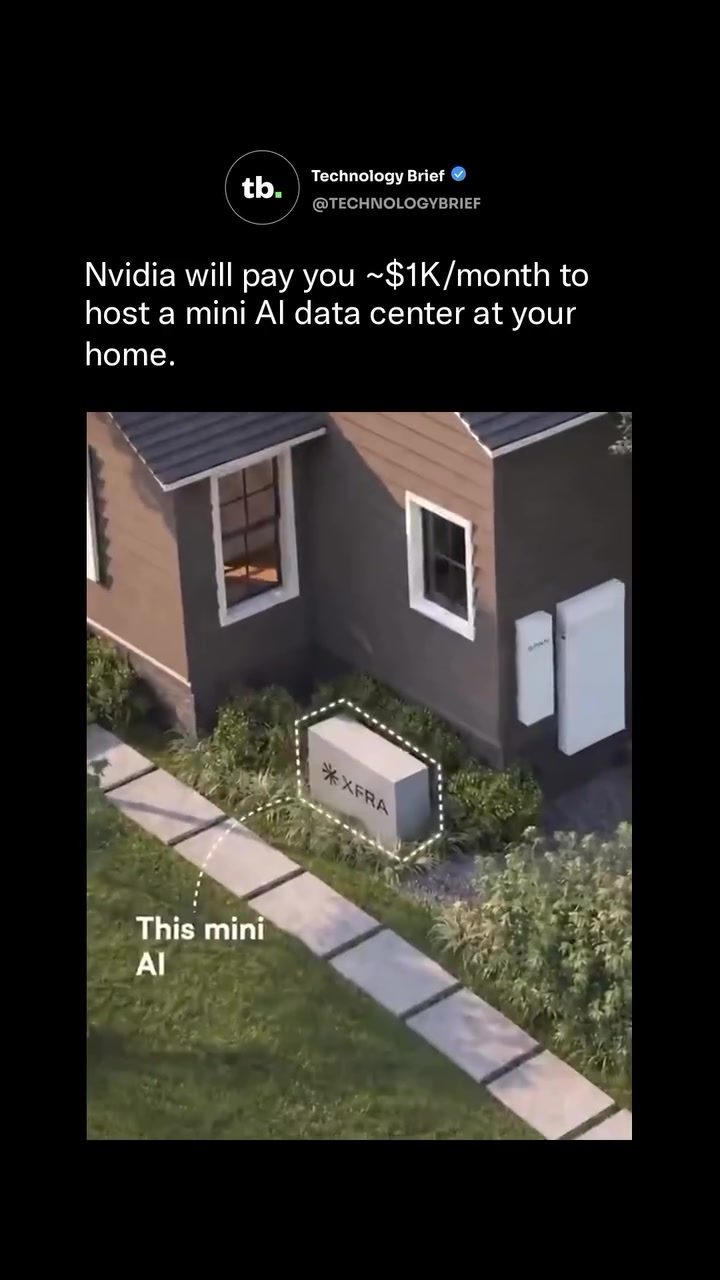
Mini AI data centers, designed to be installed outside residential homes and small businesses, are emerging as a groundbreaking solution to the growing demand for AI computing power. These compact units leverage unused electrical capacity on the local grid, transforming idle power into valuable AI processing resources. This innovative approach not only addresses the urgent need for more data centers but also offers a creative solution to the complex challenges of traditional data center deployment.
Why This Matters
The demand for data centers is skyrocketing, with U.S. data centers already consuming over 4% of America's electricity in 2024. This figure is projected to more than double by 2030, reaching a staggering 9%. Traditional data centers, which can take over a decade to build and often face years of grid approval delays, are struggling to keep up. Additionally, the environmental impact of these massive facilities is a growing concern. Mini AI data centers offer a promising alternative by utilizing existing infrastructure and tapping into unused electrical capacity.
The Technology Behind Mini AI Data Centers
Hardware Specifications
Each mini AI data center unit, such as the one developed by the California startup Span, is equipped with powerful hardware designed for optimal performance and efficiency. These units run on 16 liquid-cooled NVIDIA RTX Pro 6000 Blackwell GPUs, 4 AMD processors, and 3 TB of memory across Dell servers. The liquid-cooling system ensures that the units operate silently, making them ideal for residential and commercial settings.
Deployment and Cost Efficiency
One of the key advantages of mini AI data centers is their rapid deployment capabilities. Span claims that it can install 8,000 of these units six times faster and at one-fifth the cost of building a comparable 100-megawatt centralized data center. This efficiency is achieved by leveraging existing infrastructure, such as the electrical grid and HVAC systems, which are already in place in residential and commercial properties. This approach eliminates the need for extensive construction and grid connection approvals, significantly reducing the time and cost associated with traditional data center deployment.
Benefits for Homeowners and Businesses
Homeowners and small business owners who host these mini AI data centers stand to gain several benefits. In addition to the financial incentive of a potential $1,000 per month payment, they receive a premium smart electrical panel and battery backup. Furthermore, they enjoy discounted rates on electricity and internet services. These incentives make hosting a mini AI data center an attractive proposition for many property owners.
Practical Tips for Implementing Mini AI Data Centers
Assessing Suitability
Before installing a mini AI data center, it's essential to assess the suitability of your property. Ensure that there is sufficient space for the unit and that it can be easily integrated with existing HVAC and electrical systems. Additionally, consider the potential impact on your property's aesthetic appeal, as the unit will be mounted on the outside of your home or business.
Ensuring Compliance
It's crucial to comply with local regulations and obtain any necessary permits before installing a mini AI data center. Work closely with the installation team to ensure that all safety and environmental standards are met. Regular maintenance and monitoring are also essential to keep the unit running efficiently and to address any potential issues promptly.
Optimizing Energy Usage
To maximize the benefits of hosting a mini AI data center, optimize your energy usage. Take advantage of the smart electrical panel and battery backup to manage your energy consumption effectively. This not only helps to reduce your electricity bills but also ensures that the unit operates at peak efficiency.
Important Takeaways
Mini AI data centers represent a significant advancement in the field of decentralized computing. By leveraging existing infrastructure and tapping into unused electrical capacity, these units offer a cost-effective and environmentally friendly solution to the growing demand for AI processing power. For homeowners and businesses, hosting a mini AI data center can provide a valuable source of additional income, as well as discounted utility rates and enhanced energy management capabilities.
Conclusion
The future of decentralized computing is here with mini AI data centers. These innovative units offer a creative and efficient solution to the challenges posed by traditional data centers. By partnering with startups like Span and leveraging the power of NVIDIA's advanced hardware, we can transform idle power into valuable AI computing resources, paving the way for a more sustainable and efficient future.
Questions readers ask
How do mini AI data centers work?
Mini AI data centers are compact, external units that harness local, unused electrical capacity to power AI processing. They're designed to integrate seamlessly with home-based or small business electrical systems, optimizing power usage and reducing the strain on the main grid.
What are the environmental benefits of mini AI data centers?
Mini AI data centers can significantly lower carbon footprint compared to traditional facilities. They reduce the need for large, centralized data centers, which often require substantial energy and resources, as well as minimize energy transport losses by operating locally.
Can mini AI data centers help alleviate grid strain?
Yes, by utilizing unused power in the local grid, mini AI data centers can help distribute the load more evenly. This decentralized approach can prevent overloading of the main grid, particularly during peak usage times, contributing to a more stable and efficient power supply.
What are the advantages of having a mini AI data center at home or in a small business?
Home-based or small business mini AI data centers can provide powerful, on-site AI processing capabilities, enhancing tasks like data analysis, machine learning, and more. This local processing also ensures faster data transfer and reduced latency, improving overall efficiency.
What is the expected efficiency of mini AI data centers compared to traditional ones?
Mini AI data centers are designed to be highly efficient, leveraging the latest in AI processing technology, similar to NVIDIA AI centers. Optimizing for local power usage can reduce operational costs and increase efficiency, making them a sustainable alternative to traditional data centers.
How do mini AI data centers address the increasing demand for AI computing power?
By decentralizing AI processing, mini AI data centers distribute the computational load across many smaller units rather than relying on a few large facilities. This approach can significantly increase overall processing capacity and flexibility, meeting the growing demand for AI computing power.
Are mini AI data centers suitable for all homes and businesses?
While mini AI data centers are designed to be versatile, their suitability can depend on factors such as local electrical capacity, space for installation, and specific computing needs. Consultation with a professional can help determine the best setup for individual homes and businesses.
Related deep dives
Similar reads based on topic and creator.




Recent articles
Fresh deep dives from the latest Reels we unpacked.




Comments
Be the first to comment.