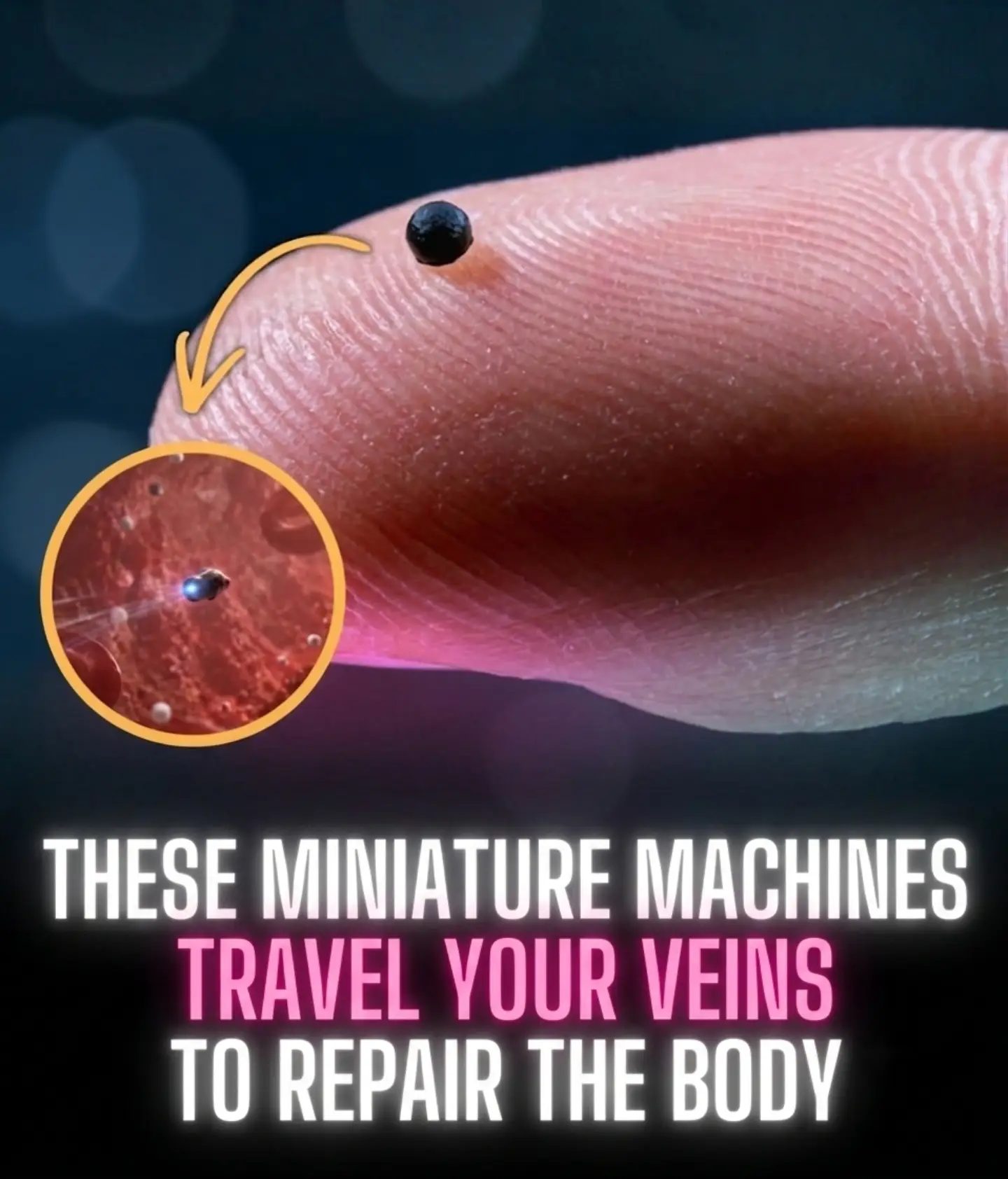
Microrobots: Revolutionizing Medical Treatment
Medical nanotechnology has reached an exciting milestone with the development of microrobots, or nanorobots, designed to navigate the human bloodstream. These miniature machines, constructed from biocompatible materials and engineered at a microscopic scale, are at the forefront of innovative medical treatments. They are particularly notable for their application in treating ischemic strokes and cardiovascular diseases.
Context / Why this Matters
The ability to deliver targeted therapy directly to affected areas within the body represents a significant leap forward in medical care. Traditional treatments for conditions like ischemic strokes often involve systemic pharmaceutical interventions or invasive surgical procedures, both of which carry risks and can result in lengthy recovery times. Microrobots offer a less invasive and more precise alternative, potentially revolutionizing how these conditions are managed.
Main Discussion
What Are Microrobots?
Microrobots are tiny machines, often no larger than a few micrometers, designed to move through the bloodstream. They are typically constructed from biocompatible materials to minimize the risk of adverse reactions within the body. These miniature devices are engineered to be guided wirelessly using external magnetic fields, which allows for precise control and targeting without the need for complex internal motors.
How Do Microrobots Work?
Microrobots navigate the bloodstream to reach specific sites within the body, where they can perform various therapeutic functions. For ischemic strokes and cardiovascular diseases, these machines travel directly to the site of a vascular blockage. Once there, they can deliver clot-dissolving medications or mechanically clear obstructions, restoring blood flow and reducing the risk of tissue damage.
Benefits of Microrobots in Medical Treatment
One of the key advantages of using microrobots in medical treatment is the reduced risk of systemic side effects. By delivering therapy directly to the affected area, these miniature machines minimize the amount of medication needed and reduce the potential for adverse reactions. This targeted approach also minimizes procedural invasiveness, making it a more appealing option for patients and healthcare providers alike.
Applications in Ischemic Strokes and Cardiovascular Diseases
Ischemic strokes occur when blood flow to a part of the brain is interrupted, often due to a blood clot. Cardiovascular diseases, such as heart attacks, can also result from blockages in the arteries. In both cases, microrobots offer a promising solution. They can travel to the blockage site, dissolve the clot, and restore blood flow, potentially saving tissue and improving patient outcomes.
Practical Tips
Understanding the Technology
For healthcare professionals and patients alike, understanding the basics of microrobot technology is essential. These machines are guided using external magnetic fields, which means that the patient must be in a controlled environment where these fields can be precisely manipulated. It's also important to be aware of the biocompatibility of these devices, ensuring that they do not cause any adverse reactions within the body.
Potential Risks and Benefits
While microrobots offer numerous benefits, it's also crucial to consider potential risks. As with any new technology, there may be unforeseen complications. However, the targeted delivery of therapy and reduced invasiveness make microrobots a promising avenue for future medical treatments. Patients should discuss the potential benefits and risks with their healthcare providers to make informed decisions about their care.
Future Directions
The field of medical nanotechnology is rapidly evolving, and microrobots represent just one aspect of this exciting area. Ongoing research and development are likely to yield even more advanced and efficient medical treatments. Patients and healthcare providers should stay informed about the latest developments in this field to take advantage of new opportunities as they arise.
Important Takeaways
Microrobots represent a significant advancement in medical technology, offering a targeted and less invasive approach to treating conditions like ischemic strokes and cardiovascular diseases. By delivering therapy directly to the affected area, these miniature machines can reduce the risk of systemic side effects, minimize procedural invasiveness, and accelerate patient recovery times. As research continues, we can expect to see even more innovative applications for microrobots in medical treatment.
Conclusion
The development of microrobots is a groundbreaking advancement in medical nanotechnology. These miniature machines offer a precise and effective method for treating a range of conditions, particularly ischemic strokes and cardiovascular diseases. By delivering targeted therapy directly to the affected area, microrobots can significantly improve patient outcomes and reduce the risks associated with traditional treatments. As this technology continues to evolve, it holds great promise for the future of medical care.
Questions readers ask
How do microrobots navigate through the human bloodstream?
Microrobots are designed with specialized propulsion systems that allow them to navigate the complex environment of the human bloodstream. They can be guided using external magnetic fields or other control mechanisms to ensure they reach the targeted areas accurately and efficiently.
What are the main benefits of using microrobots for treating cardiovascular diseases?
Microrobots offer a less invasive alternative to traditional surgical procedures. By delivering targeted therapy directly to affected areas, they can reduce the risk of side effects and improve the efficacy of treatments, especially for conditions like ischemic strokes and cardiovascular diseases.
What materials are microrobots typically made from?
Microrobots are constructed from biocompatible materials to minimize the risk of adverse reactions within the body. Common materials include polymers, metals, and other substances that are safe for use in medical applications, ensuring they can function effectively without causing harm.
How do microrobots target specific areas within the body?
Microrobots use advanced targeting mechanisms, such as molecular recognition and chemical signaling, to identify and attach to specific cells or tissues. This precision allows them to deliver therapy directly to the affected areas, enhancing the overall effectiveness of the treatment.
Can microrobots be used for conditions beyond ischemic strokes and cardiovascular diseases?
Yes, the potential applications of microrobots extend beyond ischemic strokes and cardiovascular diseases. They can be utilized for a wide range of medical conditions, including cancer treatment, where precise drug delivery is crucial, and in diagnostics, where they can help detect diseases at an early stage.
What are the current challenges in developing microrobots for medical use?
One of the main challenges is ensuring that microrobots can navigate the human bloodstream effectively and safely. Additionally, controlling their movement and ensuring they reach the targeted areas remains a complex task. Researchers are also working on improving the longevity and biocompatibility of these devices.
How do microrobots contribute to precision medicine?
Microrobots enable targeted therapy by delivering treatments directly to affected cells or tissues. This precision minimizes collateral damage to healthy cells, reducing side effects and increasing the overall effectiveness of the treatment, making them a valuable tool in advancing precision medicine.
Related deep dives
Similar reads based on topic and creator.




Recent articles
Fresh deep dives from the latest Reels we unpacked.




Comments
Be the first to comment.