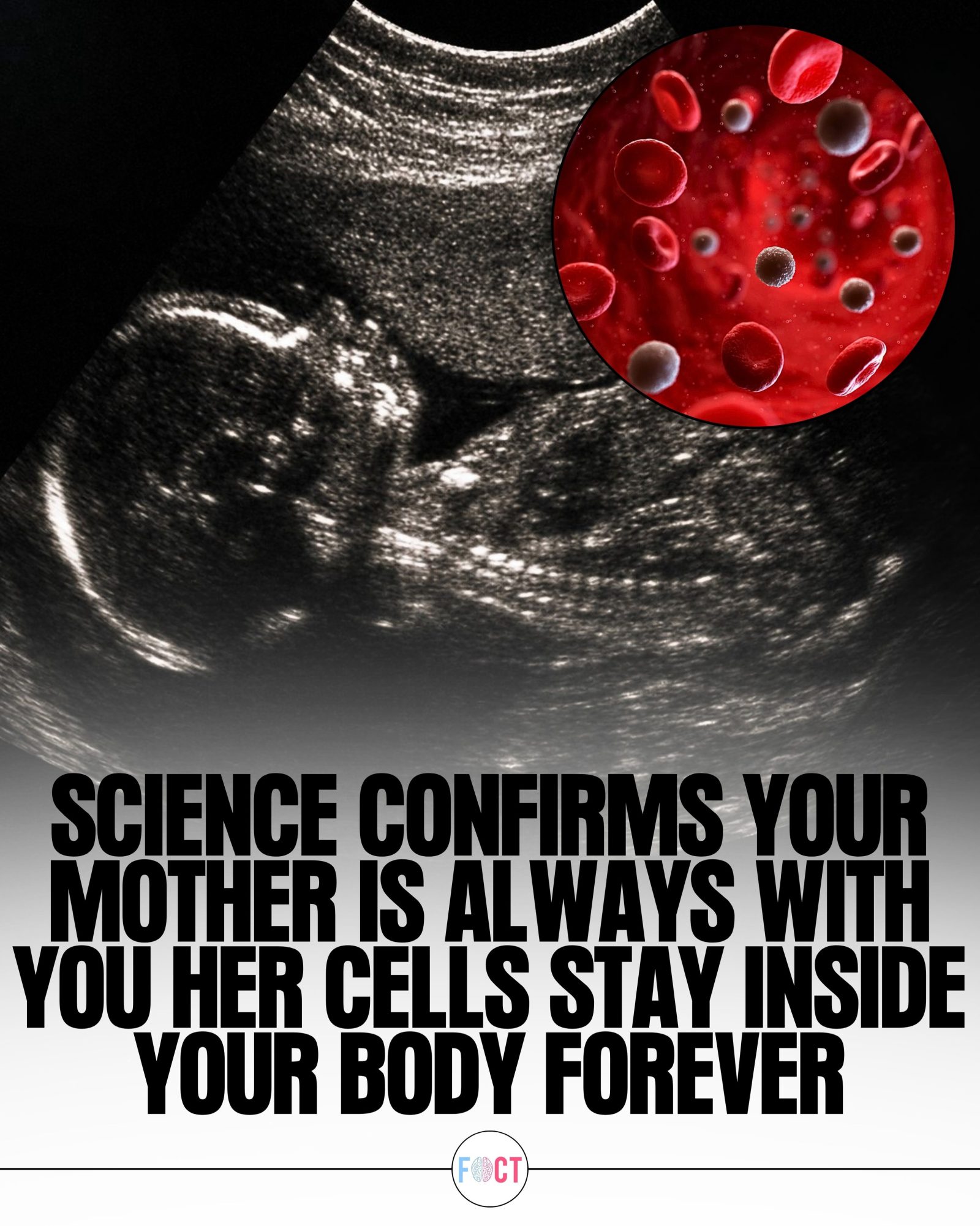
Microchimerism is a fascinating biological phenomenon where cells from one individual migrate and persist in the body of another. This process is most commonly observed between a mother and her child, where maternal cells can remain in the child's body long after birth, and vice versa.
Context / Why This Matters
Understanding microchimerism sheds light on the intricate biological connections between mothers and their children. This phenomenon goes beyond emotional bonds, highlighting a tangible, lasting physical link.
It has significant implications for understanding immune responses, tissue repair, and even potential roles in diseases. By exploring microchimerism, researchers gain insights into how maternal and fetal cells interact, potentially leading to advancements in medical treatments and our understanding of the human body.
Main Discussion
The Science Behind Microchimerism
During pregnancy, the placenta acts as a critical interface between the mother and the developing fetus. Cells can cross this barrier in both directions, leading to the presence of maternal cells in the fetus and fetal cells in the mother.
These cells do not merely persist but can become an integral part of the recipient's tissues. They have been found in various organs, including the blood, bone marrow, skin, liver, and brain, demonstrating their wide-ranging impact.
How Maternal Cells Impact the Child
Maternal cells can become specialized tissues within the child's body, playing essential roles in various physiological processes.
-
Tissue Repair: Maternal cells have been observed aiding in wound healing and tissue regeneration. They can contribute to the repair mechanisms, potentially enhancing the body's ability to recover from injuries.
-
Immune Regulation: The presence of maternal cells in the child's body may influence immune responses. They can modulate the immune system, helping to prevent or manage autoimmune disorders and other immune-related conditions.
The Enduring Connection
One of the most profound aspects of microchimerism is its persistence. Maternal cells can remain in the child's body for decades, and potentially for life. This enduring presence underscores the deep biological connection between a mother and her child, even after the mother is gone.
This lingering connection is not merely symbolic. It is a biological reality with tangible physiological effects, influencing the child's health and well-being long after birth.
Microchimerism and Medical Research
Research into microchimerism is ongoing, with scientists exploring its implications for various medical conditions.
-
Autoimmune Diseases: Studies suggest that maternal cells may influence the development of autoimmune disorders in the child, providing potential avenues for treatment and prevention.
-
Cancer: Researchers are investigating whether maternal cells can play a role in cancer development and progression. Understanding this connection could lead to new therapeutic approaches.
-
Organ Transplants: The phenomenon of microchimerism could inform strategies for improving organ transplant outcomes, as the body's ability to accept foreign cells is central to successful transplants.
Practical Tips
For those interested in learning more about microchimerism, here are some practical tips and considerations:
Stay Informed
Keep up-to-date with the latest research developments in microchimerism. Follow reputable scientific journals and publications to gain insights into the latest findings and their potential applications.
Consult Medical Professionals
If you have questions or concerns about microchimerism and its implications for your health or that of a loved one, consult a healthcare provider. They can offer personalized advice and guidance based on current scientific knowledge.
Participate in Research
Consider participating in research studies focused on microchimerism. Your involvement can contribute to advancing our understanding of this phenomenon and its potential benefits for health and medicine.
Important Takeaways
- Microchimerism is a biological process where cells from one individual persist in another, notably between mother and child.
- Maternal cells can be found in various organs and tissues, playing active roles in tissue repair and immune regulation.
- The presence of maternal cells in a child's body can last for decades, if not a lifetime, highlighting a profound biological connection.
- Understanding microchimerism offers valuable insights into immune responses, tissue regeneration, and potential medical treatments.
Conclusion
Microchimerism represents a profound biological bond between mothers and their children, with far-reaching implications for health, medicine, and our understanding of human biology. As research continues to unravel the complexities of this phenomenon, the potential benefits for medical science and human health become increasingly evident.
Embracing the concept of microchimerism encourages a deeper appreciation of the intricate connections that bind us together, reminding us that our biological journey is a shared and enduring one.
Questions readers ask
What exactly are maternal cells doing in a child's body?
Maternal cells that migrate to a child's body during pregnancy can contribute to various functions. They have been found to aid in tissue repair and immune regulation, helping the child's body heal and maintain a healthy immune response. This process can occur throughout the child's life, providing a lasting biological connection between mother and child.
How does microchimerism occur during pregnancy?
Microchimerism occurs when cells from the mother enter the fetus’s bloodstream during pregnancy, and vice versa. Fetal cells can cross the placenta and enter the mother’s bloodstream, while maternal cells can migrate to the fetus. This natural exchange is a normal part of pregnancy.
Can microchimerism have implications for medical treatments?
Yes, microchimerism has potential implications for medical treatments. Understanding how maternal and fetal cells interact and contribute to tissue repair and immune regulation could lead to new therapies for various diseases and conditions. Researchers are exploring how these cells might be used to enhance healing and immune responses in patients.
Do maternal cells remain in the child's body indefinitely?
Yes, maternal cells can persist in a child's body for a lifetime. This long-term presence contributes to the unique biological bond between mothers and their children, offering insights into how the body heals and maintains immune function over time.
How does microchimerism affect the mother's health?
Microchimerism can have various effects on a mother's health. Maternal cells can contribute to tissue repair in the mother, which might be beneficial for healing after pregnancy. Additionally, fetal cells in the mother could potentially influence immune function and may play a role in the development of certain diseases, highlighting the complex interplay between maternal and fetal cells.
What are the potential risks associated with microchimerism?
While microchimerism is a natural process, it can sometimes have unexpected effects. In some cases, maternal cells in the child's body might contribute to the development of certain autoimmune diseases or other health conditions. Similarly, fetal cells in the mother could potentially influence the onset of autoimmune disorders or other health issues.
Can microchimerism be detected and measured?
Yes, microchimerism can be detected and measured using various techniques, such as polymerase chain reaction (PCR) and fluorescence in situ hybridization (FISH). These methods allow researchers to identify and quantify the presence of maternal or fetal cells in the body, providing valuable information for scientific studies and potential medical applications.
Recent articles
Fresh deep dives from the latest Reels we unpacked.




Comments
Be the first to comment.