Environmental Concerns & Meta
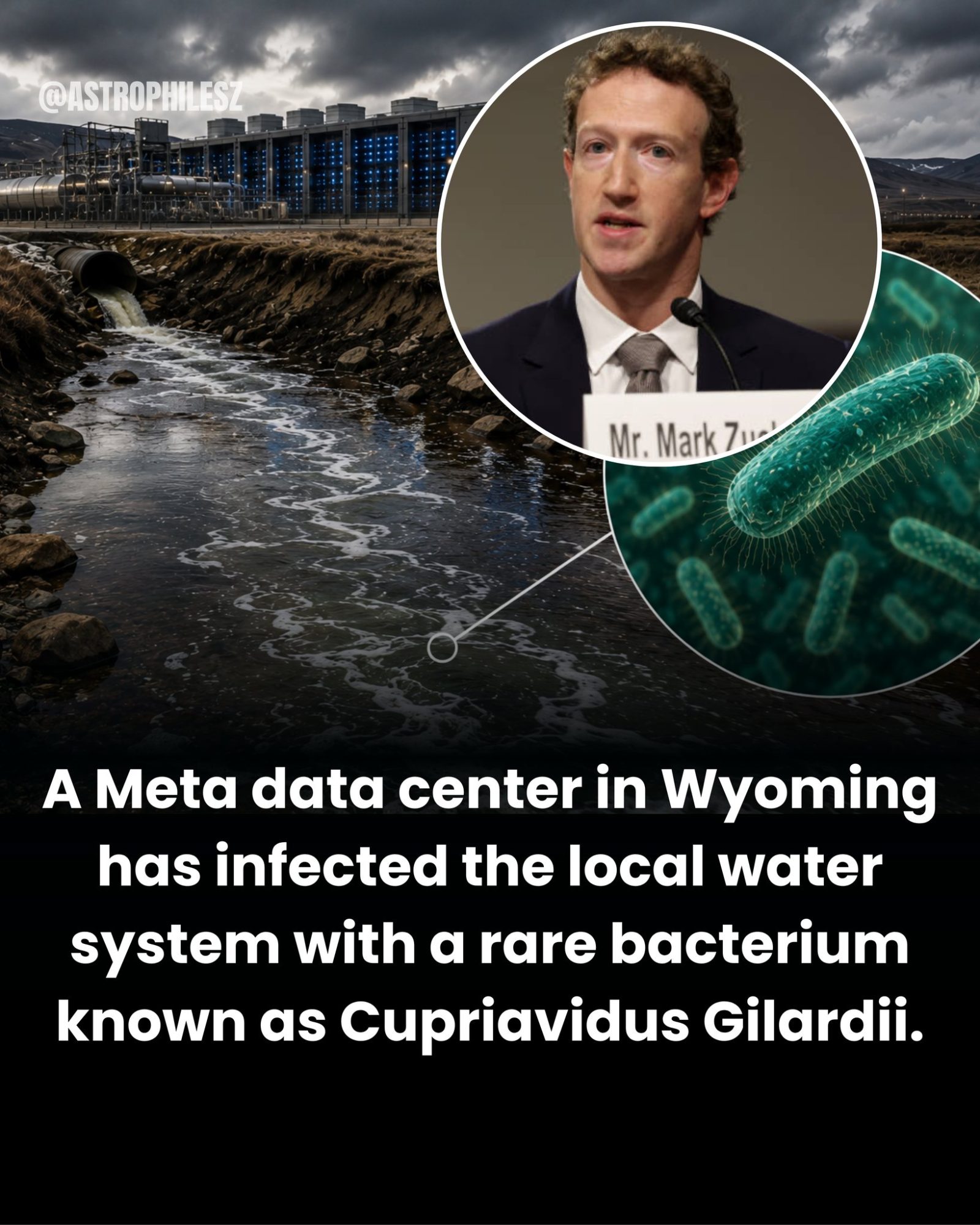
Data centers are the backbone of modern digital infrastructure, powering everything from social media to cloud computing and artificial intelligence. However, the environmental impact of these facilities, particularly their interaction with local water systems, is a growing concern. A recent incident involving a Meta data center in Wyoming has sparked significant attention due to allegations of water contamination.
Context / Why This Matters
The digital world's environmental footprint extends far beyond electricity consumption. Modern data centers require vast amounts of water for cooling, circulation, and wastewater management. As AI and cloud computing continue to expand, the environmental impact of these facilities becomes increasingly significant. Communities hosting data centers are scrutinizing how these operations affect water consumption and quality.
The Incident in Wyoming
A Meta data center in Wyoming is at the center of controversy due to the detection of Cupriavidus Gilardii, a rare bacterium, in the local water supply. This microorganism, typically found in soil and water, is uncommon in community water systems, raising serious questions about the safety and management of industrial wastewater.
Understanding Cupriavidus Gilardii
Cupriavidus Gilardii is an uncommon bacterium that thrives in various environmental sources, including soil and water. Its presence in a community water supply is alarming because it can be difficult to identify and manage. The detection of this bacterium highlights the need for stringent microbial testing and transparent reporting around industrial facilities.
The Role of Data Centers
Data centers are essential for the operation of digital services, but they consume massive amounts of water for cooling and other processes. The infrastructure required for these operations can have significant environmental impacts, particularly on local water systems. As these facilities become more powerful and numerous, it is crucial to consider their effects on water quality and consumption.
Environmental and Health Implications
The contamination of a local water system with a rare bacterium like Cupriavidus Gilardii poses potential health risks and environmental concerns. Detecting and managing such contamination requires continuous microbial testing and transparent reporting. This ensures that authorities can determine the source of contamination and prevent further spread, protecting both public health and the environment.
The Environmental Footprint of Data Centers
The environmental impact of data centers is not limited to water consumption and quality. These facilities also have significant energy and land use requirements. Understanding and mitigating these impacts is essential for sustainable growth in the digital age.
Water Consumption
Data centers consume vast amounts of water for cooling and other processes, making water management a critical aspect of their operation. Effective water management practices, including recycling and efficient use, are necessary to reduce the environmental impact of these facilities.
Energy Use
The energy demands of data centers are substantial, contributing to their environmental footprint. Transitioning to renewable energy sources and implementing energy-efficient technologies can help mitigate these impacts.
Land Use
Data centers often require large amounts of land for their infrastructure, affecting local ecosystems and landscapes. Sustainable land-use practices, such as integrating data centers with renewable energy sources and minimizing land disturbance, can help reduce their environmental impact.
Practical Tips for Managing Data Center Environmental Impact
Addressing the environmental challenges posed by data centers requires a multi-faceted approach. Here are some practical tips for managing the environmental impact of these facilities:
Implement Continuous Microbial Testing
Regular microbial testing helps detect and manage contamination quickly, ensuring the safety of local water systems. Transparent reporting of test results is crucial for maintaining public trust and accountability.
Adopt Sustainable Water Management Practices
Efficient water management practices, including recycling and minimizing water use, can significantly reduce the environmental impact of data centers. Implementing these practices ensures that water resources are used responsibly.
Transition to Renewable Energy
Data centers can reduce their carbon footprint by transitioning to renewable energy sources, such as solar or wind power. This not only decreases their reliance on fossil fuels but also aligns with broader environmental sustainability goals.
Promote Transparency and Accountability
Transparent reporting and accountability are essential for maintaining public trust and ensuring that data centers operate responsibly. Regular updates and open communication with communities can help address concerns and build support for sustainable practices.
Important Takeaways
The incident involving the Meta data center in Wyoming underscores the need for vigilant environmental management in the digital age. Key takeaways include:
- Water Management: Effective water management practices are crucial for minimizing the environmental impact of data centers.
- Microbial Testing: Continuous microbial testing and transparent reporting are essential for detecting and managing contamination.
- Sustainable Energy: Transitioning to renewable energy sources can reduce the environmental footprint of data centers.
- Environmental Footprint: The environmental impact of data centers extends beyond electricity to include water and land use.
Conclusion
The environmental impact of data centers, particularly their interaction with local water systems, is a critical issue that requires attention. As AI, cloud computing, and social media continue to grow, it is essential to prioritize sustainable practices in the operation and design of these facilities. By implementing continuous microbial testing, sustainable water management, and transitioning to renewable energy, data centers can minimize their environmental footprint and contribute to a more sustainable future.
Questions readers ask
What specific concerns are raised about Meta's Wyoming data center?
Meta's Wyoming data center is facing scrutiny due to potential water contamination. This issue brings up questions about the facility's impact on local water sources and its overall water management practices, which are critical for cooling and processing operations.
Why is water usage a significant concern for data centers in general?
Data centers consume large quantities of water for cooling and processing, which is essential to maintain their operations. This high demand for water can strain local water supplies and potentially contaminate them, especially if proper handling practices are not followed.
What are the broader impacts of data centers on the environment?
Data centers have a significant environmental footprint that goes beyond electricity consumption. They require vast amounts of water for cooling and other processes, which can lead to water pollution. They also contribute to carbon emissions and other forms of environmental degradation.
What are some key aspects of data center management practices that are under scrutiny?
Data center management practices, particularly those related to water usage and contamination, are under scrutiny. This includes how facilities like Meta's Wyoming data center handle wastewater, cool their systems, and mitigate the risks of contaminating local water sources.
What potential risks does water contamination from data centers pose to the environment?
Water contamination from data centers can lead to pollution of local water sources, harming aquatic life and potentially affecting human health. Additionally, contaminated water can disrupt ecosystems and contribute to broader environmental degradation.
How does the expansion of AI and cloud computing relate to the environmental impact of data centers?
As AI and cloud computing continue to grow, so does the demand for data centers and their associated resources. This expansion increases the environmental impact of these facilities, particularly in terms of water consumption and potential contamination, making sustainable practices more urgent.
What steps can data centers take to mitigate their environmental impact?
Data centers can adopt several strategies to mitigate their environmental impact, including implementing more efficient cooling systems, using recycled water or alternative cooling methods, and improving wastewater management practices. These steps can help reduce strain on local water supplies and minimize the risk of contamination.
Related deep dives
Similar reads based on topic and creator.




Recent articles
Fresh deep dives from the latest Reels we unpacked.




Comments
Be the first to comment.