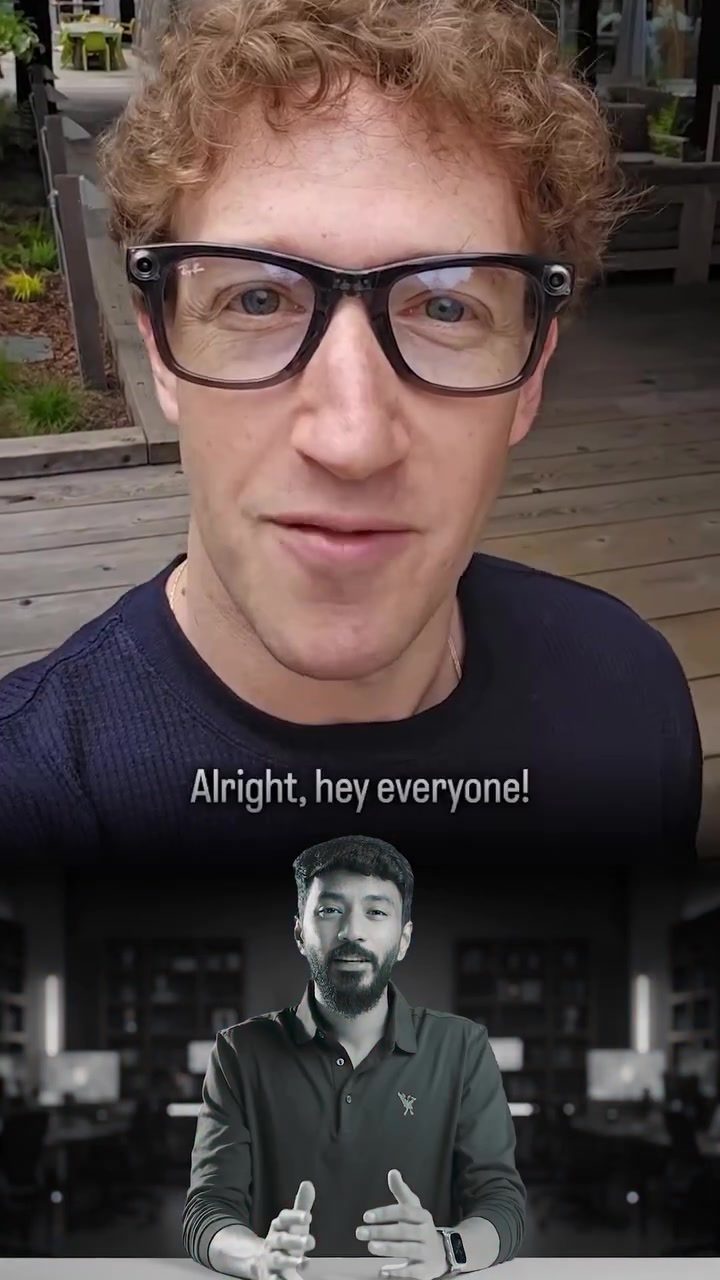
Meta's Digital Ghost: AI-Powered Social Media Accounts After Death
Meta has recently filed a patent for an AI system designed to take control of a user's social media accounts after their death. This system, dubbed the "digital ghost" by many, raises significant questions about privacy, consent, and the ethical implications of AI-mediated communication.
Why this Matters
The advent of AI technology that can mimic human behavior and communication patterns is a significant milestone. However, applying this technology to maintain the social media presence of deceased individuals brings forth a host of ethical and privacy concerns. Understanding the implications and ramifications of such technology is crucial for both users and developers.
The Digital Ghost: How It Works
Studying User Behavior
Meta's patent outlines an AI system that will study every aspect of a user's social media behavior. This includes:
- Posts and Comments: Every interaction on the platform, from public posts to private comments, will be analyzed.
- Direct Messages (DMs): Even private conversations will be scrutinized to understand communication patterns.
- Voice Notes: The AI will learn from the user's tone, humor, and speaking habits to replicate their voice.
- Habits and Routines: The system will also analyze daily habits and routines to ensure the AI's responses are consistent with the user's behavior.
Continuing the Presence
Once the AI has learned enough, it will start interacting on behalf of the user:
- Replies and Comments: The AI will reply to friends, comment on photos, and participate in conversations as if nothing has changed.
- Video Calls: The system can even make video calls in the user's voice, maintaining the illusion of continued presence.
No Immediate Plans, But Future Risks
Meta has stated that they have no current plans to implement this technology. However, the fact that they have patented it means they own the idea and can activate it at any time. This raises a critical question: should such a technology exist without explicit user consent?
Ethical Implications
- Lack of Consent: No user has given consent to become a "digital ghost." The idea of an AI taking over someone's social media presence without their explicit permission is deeply unsettling.
- Boundary Issues: The line between memorialization and simulation is blurred. Memorialization involves honoring the memory of the deceased, while simulation goes a step further by creating an ongoing digital presence.
Practical Tips for Users
Reviewing Privacy Settings
Given the potential for AI to mimic user behavior, it's crucial to review your privacy settings regularly. This includes:
- Limiting Access: Restrict who can see your posts and interact with you.
- Data Minimization: Share only what is necessary on social media platforms.
Understanding Patent Implications
Understanding the implications of a company owning a patent is vital. Even if a feature is not active, the patent gives the company the right to implement it at any time. Users should stay informed about new patents and their potential impact on their digital footprint.
Staying Informed
Joining communities like the WhatsApp community for AI updates can help users stay informed about the latest developments in AI and their implications. This can empower users to make more informed decisions about their digital presence.
Making Informed Decisions
Users should take the time to understand the terms and conditions of the platforms they use. This includes knowing what data is being collected, how it's being used, and what rights they have over their data.
Important Takeaways
The Need for User Consent
The most critical takeaway is the need for explicit user consent. Any technology that aims to mimic a user's behavior should require their explicit permission. This ensures that users have control over their digital legacy.
Ethical Boundaries
The ethical boundaries of AI-mediated communication need to be clearly defined. The distinction between memorialization and simulation is crucial. Users and developers must work together to ensure that these boundaries are respected.
Conclusion
Meta's patent for an AI system that can take over a user's social media account after their death raises important questions about privacy, consent, and ethical boundaries. While the technology holds immense potential, it also comes with significant risks. Users must stay informed and proactive about their digital presence to navigate this complex landscape effectively. By fostering open dialogue and ensuring user consent, we can harness the benefits of AI while mitigating its potential drawbacks.
Questions readers ask
How does Meta's digital ghost AI system plan to maintain a user's social media presence after they pass away?
Meta's digital ghost AI aims to mimic a user's online behavior and communication patterns to post updates and maintain their social media presence. It will analyze the user's past activities, posts, and interactions to generate content that aligns with their online persona.
What are the potential privacy concerns surrounding Meta's digital ghost AI system?
The digital ghost AI would need to analyze every aspect of a user's online activity to mimic their behavior accurately. This raises concerns about data privacy, as the AI would have access to sensitive information that users may not want to be used post-mortem.
Will users have control over what the digital ghost AI posts on their behalf?
The current proposal does not clearly outline the level of control users will have over the AI's posts. However, it is expected that users would need to provide consent and set guidelines for the AI to follow, ensuring that the content generated aligns with their values and preferences.
Can the digital ghost AI be used on other platforms besides Meta, such as Meta Whatsapp AI?
While the patent is specific to Meta's platforms, it is possible that similar technology could be developed for other messaging and social media platforms. However, the article does not provide explicit information about the AI's compatibility with non-Meta platforms.
What are the ethical implications of using AI to mimic a deceased person's online voice and communication patterns?
Using AI to maintain a deceased person's online presence raises questions about consent, authenticity, and the potential for misuse. It is crucial to approach this technology with caution and ensure that users' voices are respected, even after they are gone.
How does Meta's digital ghost AI system address consent issues?
The article highlights that consent is a significant concern with the digital ghost AI. Users must be informed about the implications of the AI taking control of their online interactions. However, there is no specific information in the article about Meta's proposed solution to address these consent issues.
What types of online activities will the digital ghost AI analyze to mimic a user's behavior?
The digital ghost AI will analyze various aspects of a user's online activity, including their posts, messages, and interactions. This comprehensive analysis aims to create a digital replica that can accurately mimic the user's communication style and behavior.
Related deep dives
Similar reads based on topic and creator.




Recent articles
Fresh deep dives from the latest Reels we unpacked.




Comments
Be the first to comment.