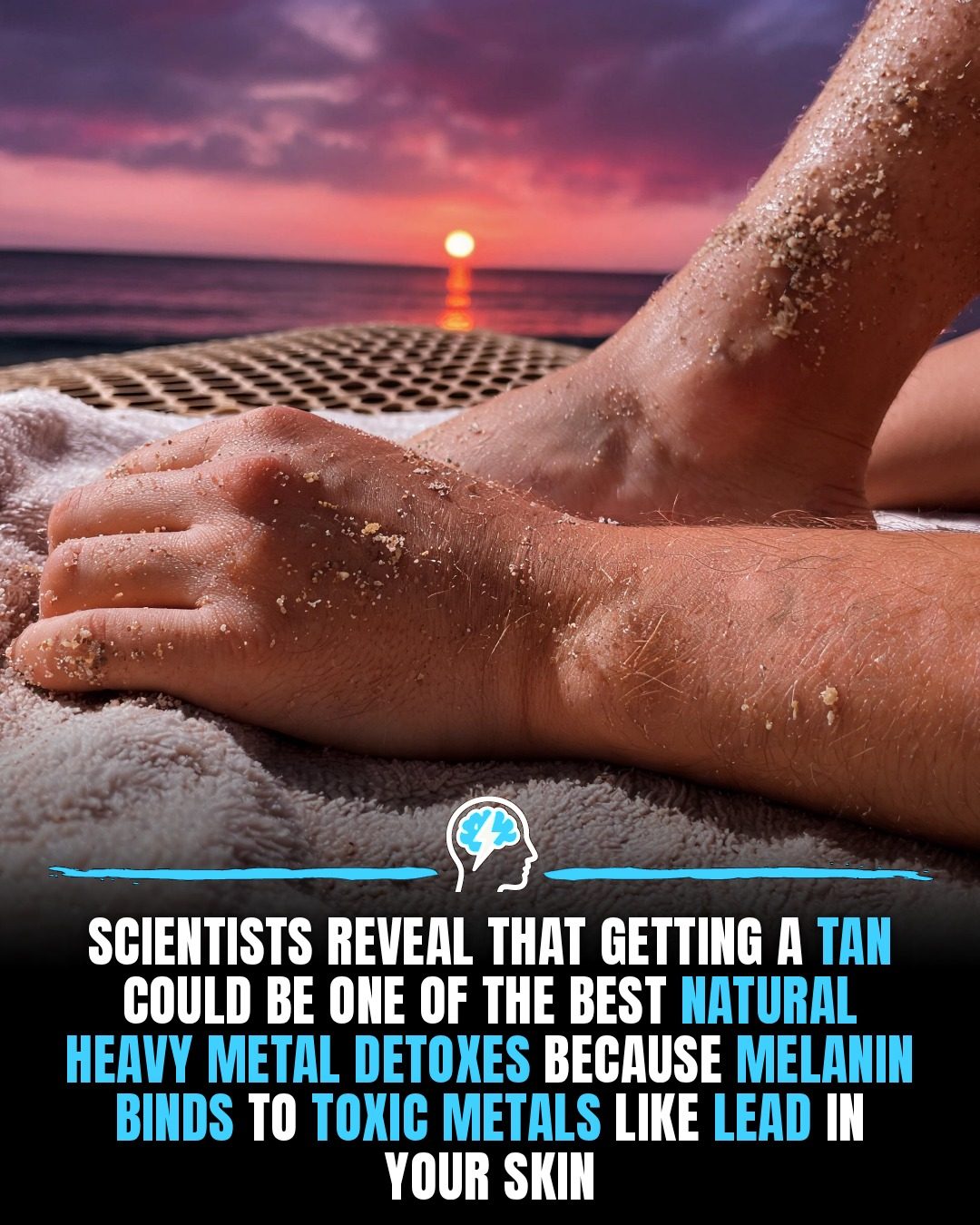
Skin Detoxification
Tanning is often dismissed as a purely cosmetic pursuit, but there's more to it than meets the eye. Recent insights from wellness and biochemistry researchers suggest that tanning serves as a biological defense mechanism against internal toxins. This process involves melanin, the pigment responsible for tanning, which can bind to toxic metals like lead and mercury. Let's delve into the science behind this natural detoxification process.
Why This Matters
In today's world, exposure to heavy metals like lead, cadmium, and arsenic is increasingly common through food and water. Traditional medicine often relies on pharmaceutical chelation to remove these toxins from the body. However, natural approaches highlight the body's own systems, with melanin playing a crucial role as a first line of defense.
The Science of Melanin and Tanning
Melanin's Molecular Power
Melanin is a remarkable molecule with a high affinity for metal ions. It acts like a sponge, pulling toxic elements out of the bloodstream. Here’s how it works:
- Ion Attraction: Melanin attracts positively charged metal ions. This means it can bind to metals like lead, mercury, and cadmium, which are common environmental toxins.
- Storage Site: By binding to these metals, melanin provides a storage site within the skin that reduces systemic toxicity. Essentially, it gives your body a place to hold onto these toxins until they can be safely removed.
- Pigment Density: The more melanin present in the skin, the more room there is to store these metals. This is why a tan can be beneficial; it increases the amount of melanin in the skin, providing more storage sites for toxins.
The Shedding Cycle
The skin naturally renews itself, and as it does, melanin-rich cells shed. When these cells are shed, the bound heavy metals leave with them. This means that tanning creates more “containers” to catch and carry off pollutants, effectively detoxifying the body.
Supporting the Process
While tanning can aid in detoxification, there are steps you can take to support and enhance this natural process:
- Diet: Foods rich in copper and tyrosine are essential building blocks for melanin. Incorporating these into your diet can help boost your body’s production of melanin.
- Hydration: Drinking plenty of water supports skin turnover, helping to shed the melanin-rich cells and the toxins they contain more efficiently.
- Manage Oxidative Stress: Ensure your body is not under excessive oxidative stress, so melanin can focus on binding toxins rather than dealing with inflammation.
Practical Tips for Detoxification
- Gradual Tanning: Instead of spending long hours in the sun, opt for gradual tanning. This allows your skin to adjust and produces a more even distribution of melanin.
- Sun Protection: Always use sunscreen to protect your skin from harmful UV rays, but remember that some exposure is necessary for melanin production.
- Relax and Enjoy: The best way to tan is to relax and enjoy your time outdoors. This not only supports melanin production but also reduces stress, which can further enhance overall health.
Important Takeaways
Tanning is not just about aesthetics; it’s a functional response to environmental toxins. Your skin acts as a silent guardian, constantly working to protect you from harmful metals. By understanding this natural process, you can take steps to support your skin’s detoxification efforts. Remember, a healthy tan is not just a cosmetic choice—it's a biological defense mechanism.
Conclusion
Next time you head to the beach or pool, remember that your tan is doing more than just changing your appearance. It’s actively working to keep you healthy by binding and removing toxic metals from your body. Embrace the process, support it naturally, and enjoy the benefits of a healthier, more detoxified you.
Questions readers ask
How does melanin protect the skin from heavy metals?
Melanin, the pigment that gives skin its color, acts as a natural binder for heavy metals. When exposed to toxins like lead or mercury, melanin captures these harmful substances and stores them in the skin. This binding process prevents the toxins from circulating freely in the body and causing damage.
What role does tanning play in the body's detoxification process?
Tanning is more than just a cosmetic change; it’s a natural defense mechanism. The process of tanning increases melanin production, which then binds to and stores toxins like heavy metals in the skin. These toxins can then be safely shed through the skin’s natural exfoliation process.
How do heavy metals enter the body?
Heavy metals such as lead, cadmium, and arsenic can enter the body through various means, including contaminated food, water, and even air. These toxins can accumulate in the body over time, potentially leading to health issues if not managed properly.
Can tanning help remove lead and mercury from the body?
Melanin, which increases during tanning, binds to heavy metals like lead and mercury, storing them in the skin. As the skin naturally sheds, these bound toxins are removed from the body, acting as a natural detoxification process.
Why is melanin important for skin health?
Melanin plays a crucial role in skin health by protecting it from harmful toxins. Its ability to bind to and store heavy metals means these toxins are prevented from causing further damage to the body, highlighting the importance of melanin in natural skin defense mechanisms.
What are the benefits of natural tanning over artificial methods?
Natural tanning, which promotes the body’s production of melanin, offers a range of benefits. It enhances the skin’s natural defense mechanisms by binding to and removing toxins. Artificial methods, such as tanning beds, do not offer the same benefits and can be harmful to the skin.
Can natural tanning help with the detoxification of heavy metals?
Natural tanning can indeed help with the detoxification of heavy metals. During tanning, the body produces more melanin, which binds to toxic metals like lead and mercury, storing them in the skin until they are shed, thereby aiding in natural detoxification.
Related deep dives
Similar reads based on topic and creator.



Recent articles
Fresh deep dives from the latest Reels we unpacked.




Comments
Be the first to comment.