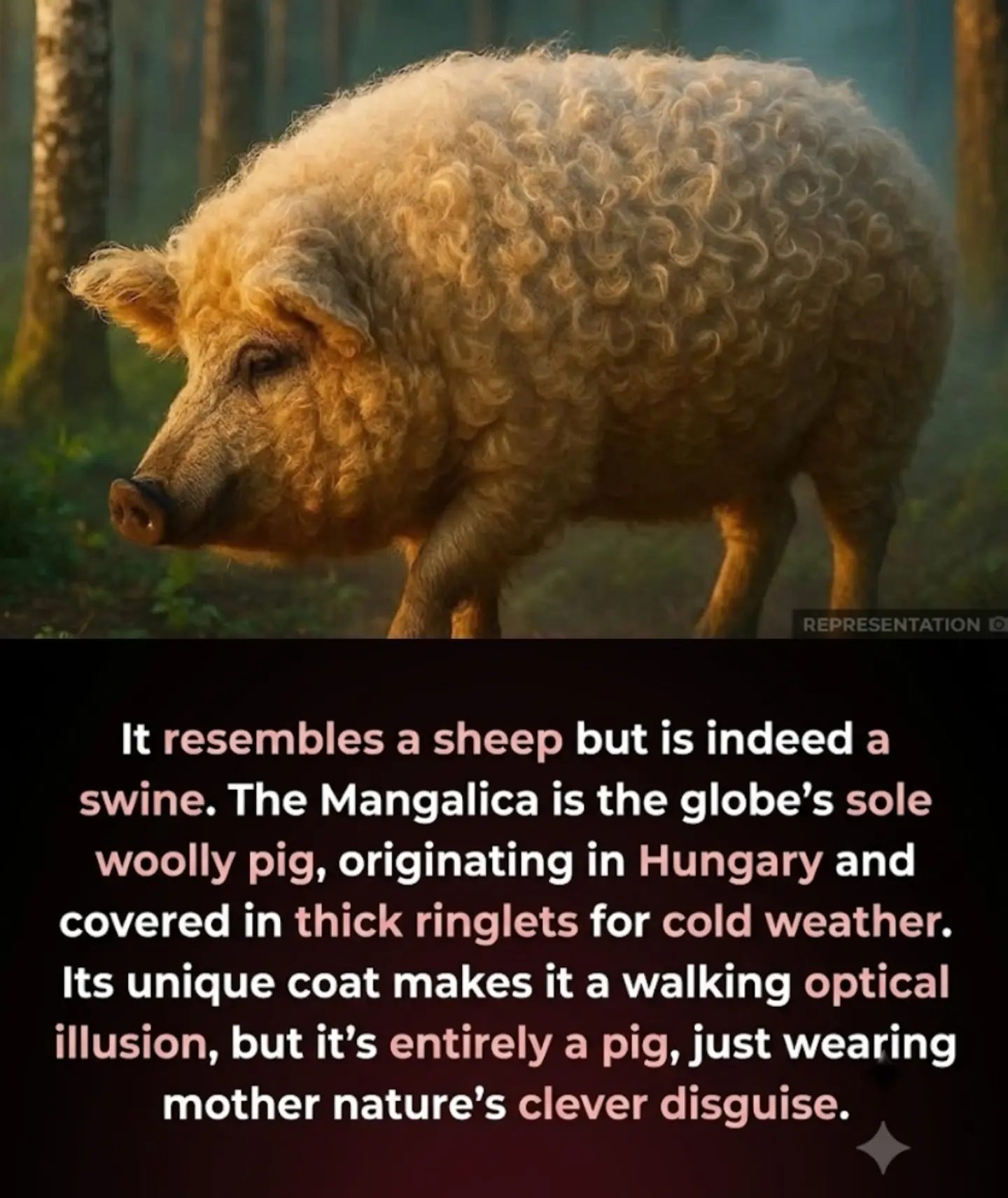
Mangalica Pig: The Unique Woolly Swine
The Mangalica pig, a fascinating breed hailing from Hungary, stands out in the world of livestock due to its distinctive, woolly coat. This unique characteristic not only makes it visually striking but also serves a practical purpose in its native climate.
Context / Why this matters
The Mangalica pig is not just an oddity; its unique features have significant implications for both its welfare and the potential it holds for various industries. Understanding this breed can provide insights into sustainable farming, animal conservation, and the ingenious ways nature adapts species to their environments.
Main discussion
Origins and Adaptations
The Mangalica pig is the world’s only woolly pig, a breed that originated in Hungary. Its thick, ringlet-like coat is an adaptation to the cold weather, providing excellent insulation. This feature sets it apart from other pig breeds, which typically have smoother, shorter hair.
Unique Appearance
One of the most striking features of the Mangalica pig is its wool-like coat. The thick, curly fur creates a visual illusion, leading many to mistake it for a sheep at first glance. This unique coat not only provides warmth but also adds to the pig’s distinctive appearance, making it a walking optical illusion.
Historical and Cultural Significance
The Mangalica pig has a rich history tied to Hungary’s agricultural heritage. For centuries, these pigs have been valued for their meat quality, which is known for its marbling and flavor. The breed’s unique characteristics have made it a cultural icon, representing the resilience and adaptability of Hungarian livestock.
Conservation Efforts
Despite its historical significance, the Mangalica pig faced near extinction in the 20th century. However, conservation efforts have helped to revive the breed, ensuring its survival for future generations. Today, Mangalica pigs are bred not only for their meat but also for their unique genetic traits, which make them a valuable addition to sustainable farming practices.
Practical tips
If you are considering raising Mangalica pigs, here are some practical tips to keep in mind:
Housing and Environment
Given their woolly coat, Mangalica pigs are well-suited to colder climates. Ensure they have access to shelter and shade, especially in hotter regions, as their thick fur can cause overheating. Provide ample space for them to move around and engage in natural behaviors.
Feeding
Mangalica pigs are known for their hardiness and ability to thrive on a variety of diets. For optimal health and meat quality, feed them a balanced diet that includes grains, vegetables, and protein sources. Ensure they have access to fresh water at all times.
Health and Care
Regular grooming is essential to maintain the health of a Mangalica pig’s coat. This includes brushing to prevent matting and checking for any signs of parasites or skin issues. Regular veterinary check-ups are also crucial to monitor their overall health.
Breeding
When breeding Mangalica pigs, select for individuals with good temperament, strong health, and a well-developed coat. Breeding programs should aim to preserve the breed’s unique characteristics while also improving genetic diversity.
Important takeaways
The Mangalica pig is a unique and valuable breed with a rich history and significant adaptability. Its woolly coat, while visually striking, serves a practical purpose in cold climates. If you are interested in raising these pigs, it is essential to understand their specific needs and provide them with the proper care and environment.
The conservation efforts around the Mangalica pig have been crucial in preserving this breed for future generations. Its unique traits and historical significance make it a valuable addition to sustainable farming practices and a fascinating subject for those interested in the diverse world of livestock.
Conclusion
The Mangalica pig is more than just a curiosity; it is a testament to nature’s adaptability and the resilience of livestock. Whether you are a farmer, an animal enthusiast, or simply curious about unique breeds, the Mangalica pig offers a wealth of information and a fascinating story. By understanding and appreciating this breed, we can contribute to its conservation and the preservation of our agricultural heritage.
Questions readers ask
What makes the Mangalica pig unique compared to other breeds?
The Mangalica pig is unique due to its dense, woolly coat, which is unlike any other pig breed. This feature not only gives it a sheep-like appearance but also helps it thrive in cold climates, making it a fascinating subject for those interested in sustainable farming and animal adaptations.
Why is the Mangalica pig often mistaken for a sheep?
The Mangalica pig's woolly coat creates an optical illusion, causing many to mistake it for a sheep at first glance. This distinctive feature is both visually striking and serves a practical purpose in its native Hungarian climate. Its unique appearance, combined with its adaptability, makes it a notable breed for those interested in sustainable farming and animal conservation.
What are the origins of the Mangalica pig?
The Mangalica pig originated in Hungary and is the world’s only woolly pig breed. Its distinctive coat developed as an adaptation to the cold climate of the region, highlighting the ingenious ways nature equips species to thrive in their environments.
How does the Mangalica pig's coat help it in cold climates?
The Mangalica pig's woolly coat provides excellent insulation, helping it to regulate its body temperature and stay warm in cold environments. This adaptation is crucial for the pig's welfare and makes it well-suited for farming in regions with harsh winters.
What are the implications of the Mangalica pig for sustainable farming?
The Mangalica pig's unique features and adaptability make it a valuable asset for sustainable farming. Its ability to thrive in cold climates and its distinctive coat, which reduces the need for additional shelter or heating, can contribute to more efficient and environmentally friendly farming practices.
Are there other breeds similar to the Mangalica pig?
The Mangalica pig is one of a kind in terms of its woolly coat, so there are no other breeds that are exactly like it. But there are other unique pig breeds, such as the KuneKune and the Guinea Hog, each with their own distinctive characteristics and adaptations.
Can Mangalica pigs be raised in warm climates?
While the Mangalica pig's woolly coat is a significant advantage in cold climates, it can also make the breed less suitable for warm environments. However, with proper care and management, it is possible to raise Mangalica pigs in warmer climates. It is essential to provide them with access to shade and cool water to prevent overheating.
Related deep dives
Similar reads based on topic and creator.




Recent articles
Fresh deep dives from the latest Reels we unpacked.




Comments
Be the first to comment.