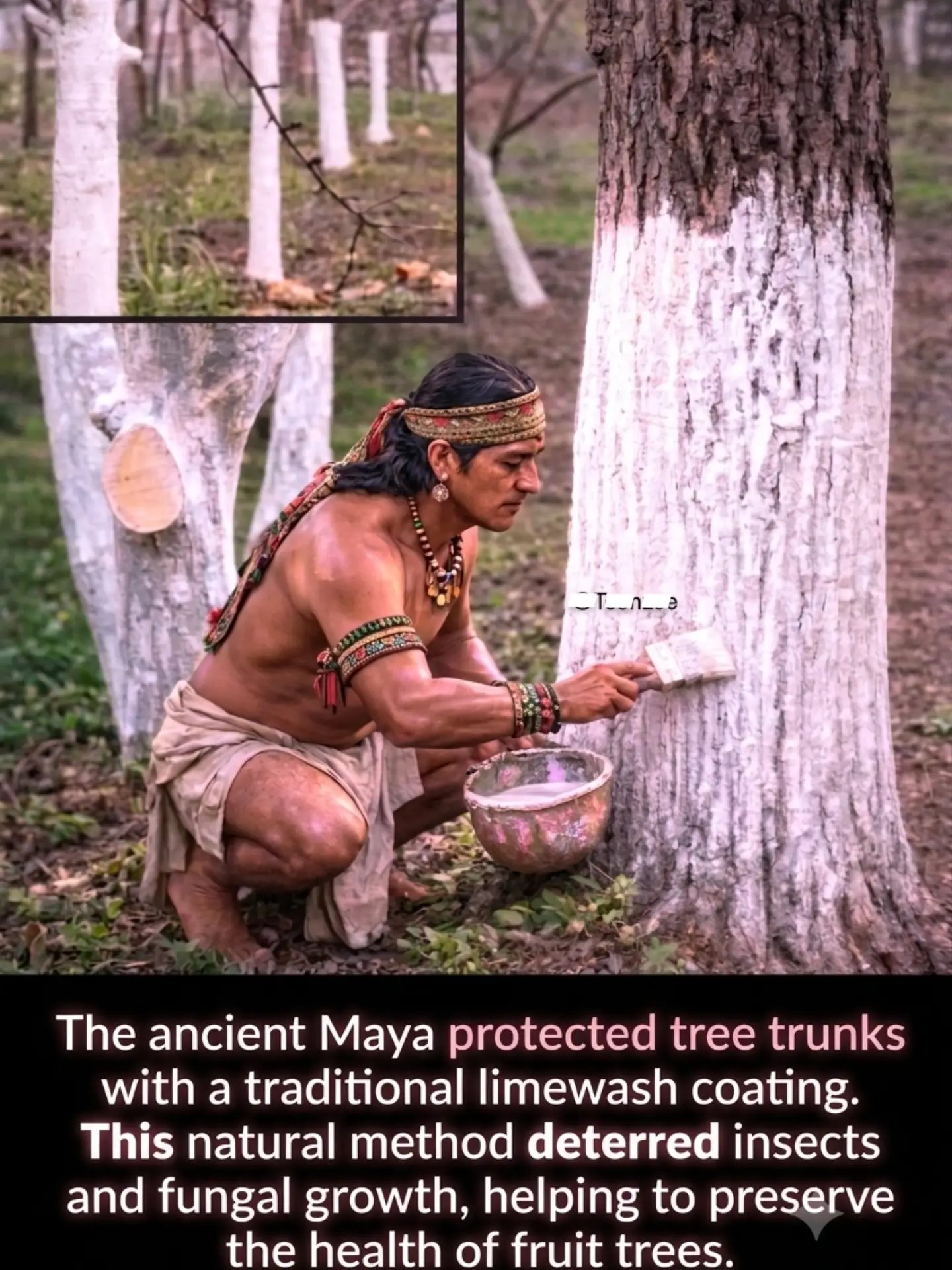
Traditional Maya Tree Protection
The Maya civilization, known for its advanced understanding of agriculture and environmental management, employed various traditional methods to protect their fruit trees. One such method involved using a limewash coating to safeguard tree trunks. This ancient practice, still relevant today, demonstrates the Maya's deep understanding of natural pest control and plant health.
Why This Matters
In an era where sustainable practices are increasingly important, the traditional methods used by the Maya offer valuable insights. Understanding these techniques can help modern farmers and gardeners adopt more natural and effective ways to protect their trees. This method not only preserves the health of fruit trees but also aligns with contemporary efforts to reduce the use of synthetic pesticides and chemicals.
Main Discussion
The Ancient Maya and Their Agricultural Practices
The Maya civilization, which flourished in Mesoamerica, was renowned for its sophisticated agricultural techniques. The Maya understood the importance of maintaining the health of their fruit trees, which were a crucial part of their diet and economy. They developed a method of protecting tree trunks using a limewash coating, which served as a natural barrier against insects and fungal growth.
The Limewash Coating
Limewash is a traditional coating made from slaked lime, which is a mixture of lime and water. When applied to tree trunks, this coating creates a protective layer that deters pests and prevents the growth of harmful fungi. The limewash acts as a natural pesticide, effectively repelling insects and inhibiting the spread of fungal diseases.
Benefits of Limewash Coating
The benefits of using limewash to protect tree trunks are numerous. This natural method not only helps in deterring insects and fungal growth but also promotes the overall health of the trees. By preventing pests from damaging the tree trunks, limewash ensures that the trees can grow and produce fruit without being weakened by diseases or infestations.
Environmental Impact
Using limewash as a protective coating is an environmentally friendly practice. Unlike synthetic pesticides, limewash is made from natural ingredients and does not harm the ecosystem. It provides a sustainable solution for tree protection, aligning with modern efforts to promote ecological balance and reduce the environmental impact of agriculture.
Practical Tips
If you're interested in adopting this traditional method for protecting your fruit trees, here are some practical tips to get you started:
Preparing the Limewash
To prepare the limewash, you will need slaked lime and water. Mix the lime with water until you achieve a smooth, paint-like consistency. Ensure that the lime is completely dissolved in the water to avoid any lumps.
Applying the Limewash
Apply the limewash to the tree trunks using a brush or a sprayer. Make sure to cover the entire trunk, from the base to the lowest branches. It's important to apply the coating evenly to ensure maximum protection. Allow the limewash to dry completely before exposing the trees to moisture or rain.
Maintenance and Reapplication
Limewash coatings typically last for a few months, depending on the weather conditions and the tree's growth. Inspect your trees regularly to check the condition of the coating. If you notice any signs of wear or damage, reapply the limewash to maintain its protective properties.
Important Takeaways
The ancient Maya's method of protecting tree trunks using limewash offers a natural and effective solution for pest control and plant health. This technique not only preserves the health of fruit trees but also aligns with modern environmental practices. By adopting this traditional method, farmers and gardeners can enhance their tree protection strategies while promoting sustainable agriculture.
Conclusion
The traditional Maya tree protection method using limewash is a testament to the ancient Maya's advanced understanding of agriculture and environmental management. This natural and effective technique offers valuable insights for modern farmers and gardeners seeking sustainable solutions. By adopting this method, we can foster healthier ecosystems, promote biodiversity, and ensure the long-term health of our fruit trees.
Questions readers ask
What is limewash and how was it used by the Maya for tree protection?
Limewash is a whitewash coating made from slaked lime. The Maya applied this to tree trunks to create a protective barrier. This barrier helped to repel pests, prevent fungal infections, and maintain overall tree health.
Can the limewash method be used on any type of fruit tree?
Yes, the limewash method can be applied to a variety of fruit trees. It is particularly effective on trees that are susceptible to pest infestations and fungal diseases, such as citrus, apple, and peach trees.
What are the benefits of using a limewash coating on fruit trees?
Using a limewash coating on fruit trees offers several benefits, including natural pest control, prevention of fungal infections, and improved tree health. It also provides a sustainable and eco-friendly alternative to chemical pesticides.
How often should limewash be reapplied to tree trunks?
The frequency of reapplication depends on the climate and weather conditions. Generally, it is recommended to reapply limewash once or twice a year, typically in the spring and fall, to ensure continuous protection.
Can limewash coating be harmful to the environment or beneficial for organic tree care?
Limewash is environmentally friendly and does not cause harm to the environment. It is made from natural materials and biodegradable. Moreover, it fits well with organic tree care practices.
What other traditional Maya agricultural methods can be used for tree care?
The Maya used various traditional methods for tree care, including intercropping, mulching, and using natural fertilizers. These methods can complement the limewash coating to create a holistic approach to tree health and pest control.
Related deep dives
Similar reads based on topic and creator.



Recent articles
Fresh deep dives from the latest Reels we unpacked.




Comments
Be the first to comment.