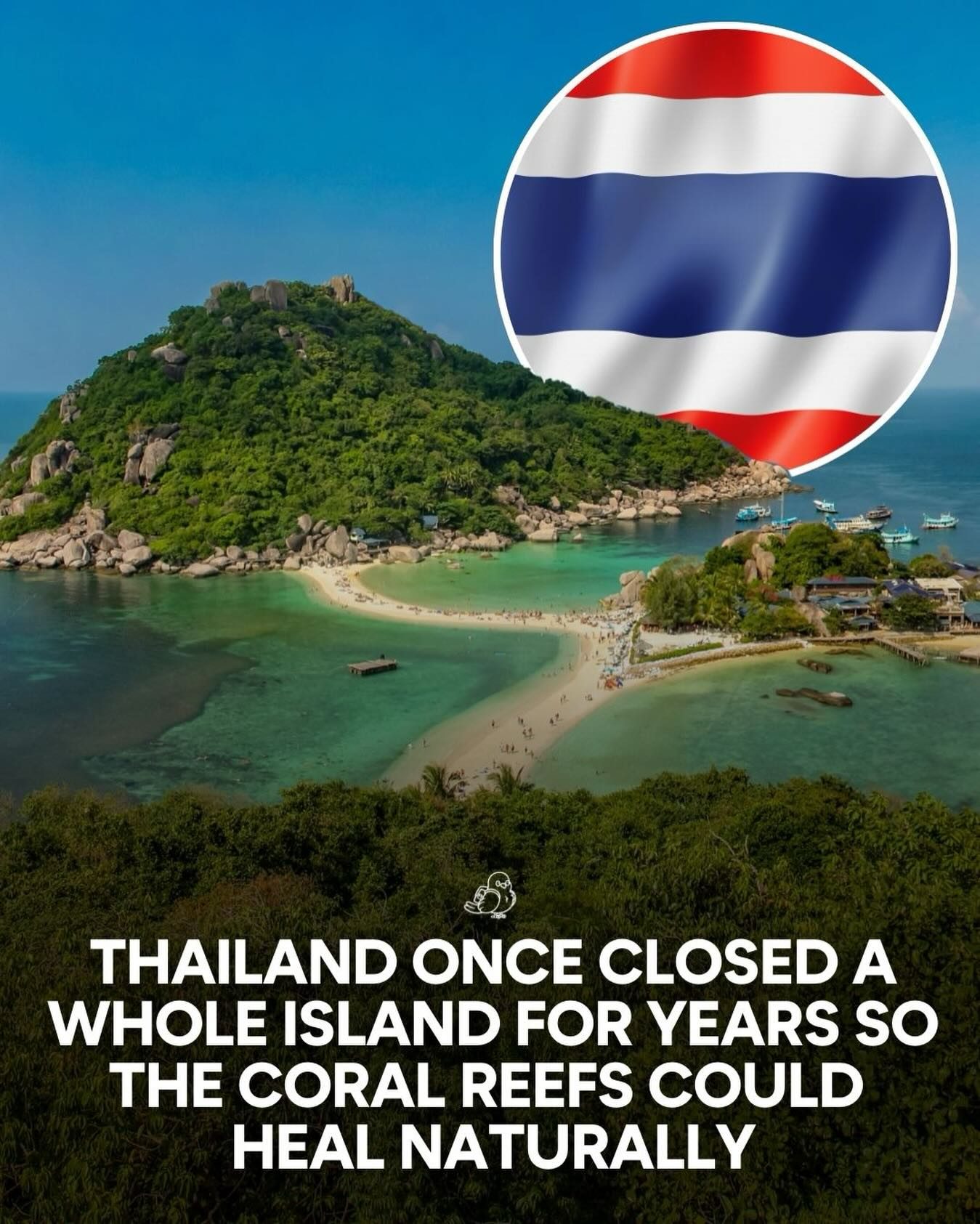
Thailand's Inspiring Story of Coral Reef Restoration
Maya Bay, nestled within the stunning Ko Phi Phi Le island in Thailand, is renowned for its breathtaking beauty and its unfortunate association with overtourism. Once the backdrop for the movie The Beach, the bay became a victim of its own fame, with a surge in tourism that threatened its delicate marine ecosystem. The Thai government took a bold step to restore Maya Bay to its former glory, closing it to visitors for several years, hoping to give nature a chance to heal.
Why This Matters
The closure of Maya Bay is a testament to the significant impact that human activity can have on natural environments, particularly on fragile ecosystems like coral reefs. Coral reefs are often referred to as the "rainforests of the sea" due to their biodiversity and the crucial role they play in marine ecosystems. They provide habitats for countless species, support local economies through tourism and fisheries, and act as natural barriers against coastal erosion. The story of Maya Bay serves as a poignant reminder of the importance of conservation efforts and the resilience of nature when given the chance to recover.
The Closure and Its Impact
The Decision to Close
Closing Maya Bay was a drastic measure, but one that was necessary given the extent of the damage. The bay was receiving thousands of visitors daily, leading to significant environmental degradation. Boats damaged the coral reefs, while trash and chemical sunscreens polluted the water. This level of human intrusion disrupted the delicate balance of the ecosystem, leading to a decline in marine life and coral health.
The Healing Process
With the closure, strict protection measures were implemented. Boats were banned, and the number of visitors was drastically reduced, giving the coral reefs and marine ecosystem a chance to recover. The absence of human interference allowed the natural healing process to begin. Over time, the vibrant underwater life started to return, demonstrating the resilience of nature when given space to breathe.
Strict Protection Measures
During the closure, the Thai government ensured that the bay remained protected. Strict regulations were enforced to prevent illegal activities and unauthorized access. Conservation efforts were also implemented to promote the natural healing of the reefs. Rangers and marine scientists regularly monitored the area to ensure its protection and to study the recovery process.
The Comeback of Marine Life
The results of the closure were remarkable. Coral reefs, which had been severely damaged, began to regenerate. Fish and other marine species that had disappeared started to reappear. The bay's closure not only restored its natural beauty but also revitalized its marine ecosystem, making it a thriving habitat once again. This success story highlights the effectiveness of conservation efforts and the importance of giving nature the space it needs to recover.
Practical Tips for Sustainable Tourism
The comeback of Maya Bay offers valuable lessons for sustainable tourism practices. Here are some practical tips to ensure that tourism does not harm delicate ecosystems:
Respect Local Regulations
Always follow local regulations and guidelines, especially when visiting environmentally sensitive areas. These rules are in place to protect the ecosystem and ensure its preservation for future generations.
Use Reef-Safe Sunscreens
Chemical-based sunscreens can be harmful to coral reefs. Opt for reef-safe sunscreens that use minerals like zinc oxide or titanium dioxide, which are less damaging to marine life.
Minimize Physical Impact
Avoid touching or standing on coral reefs, as this can cause physical damage. Be mindful of your surroundings and maintain a safe distance from marine life to minimize disruption.
Support Local Conservation Efforts
Support local conservation initiatives and organizations that work to protect and restore marine ecosystems. Your contribution can help fund important research and restoration projects.
Reduce Waste
Reduce, reuse, and recycle to minimize waste, especially when visiting natural areas. Carry reusable water bottles, bags, and containers to reduce plastic waste.
Important Takeaways
The restoration of Maya Bay is a powerful reminder that even severely damaged ecosystems can recover given the right conditions. The closure of the bay highlights the importance of conservation efforts and the need for sustainable tourism practices to protect natural environments. By giving nature the space to heal, we can ensure the preservation of these vital ecosystems for future generations.
Conclusion
The comeback story of Maya Bay in Thailand is a testament to the resilience of nature and the effectiveness of conservation efforts. By closing the bay and implementing strict protection measures, Thailand has successfully restored its marine ecosystem, providing valuable lessons for sustainable tourism and conservation. The story of Maya Bay serves as a reminder that when we give nature the space it needs to heal, remarkable recoveries are possible. This inspiring example should encourage us to adopt sustainable practices and support conservation efforts to preserve our planet's natural wonders.
Questions readers ask
What led to the closure of Maya Bay in Thailand?
Maya Bay was closed to visitors due to the severe damage caused by overtourism. The bay, famous for its role in the movie *The Beach*, saw a massive influx of tourists that harmed its delicate marine ecosystem, including the coral reefs.
How has the closure of Maya Bay impacted its coral reefs?
The closure has allowed the coral reefs in Maya Bay to recover significantly. Without the disturbance from tourists, the marine ecosystem has shown remarkable resilience, demonstrating the importance of conservation efforts in protecting natural environments.
What is the current status of Maya Bay's coral reefs?
As of recent reports, the coral reefs in Maya Bay have shown a notable comeback. The reefs are recovering, and the bay is regaining its natural beauty, thanks to the absence of human interference during the closure period.
What does the recovery of Maya Bay's coral reefs indicate about marine ecosystems?
The recovery of Maya Bay's coral reefs highlights the resilience of marine ecosystems when given the chance to heal. It underscores the significant impact of human activity on these environments and the necessity of proactive conservation measures.
How has Thailand managed tourism to protect its marine environments?
Thailand has implemented strict measures, such as the closure of Maya Bay, to mitigate the impact of tourism on its marine environments. This approach aims to balance the benefits of tourism with the need to preserve natural habitats, promoting a more sustainable form of ecotourism.
What can other countries learn from Thailand's approach to Maya Bay's conservation?
Other countries can learn the importance of taking decisive action to protect fragile ecosystems. Thailand's approach demonstrates that even heavily impacted areas can recover if given the opportunity, and that proactive conservation efforts are crucial for preserving natural wonders.
What role do coral reefs play in marine ecosystems?
Coral reefs, often referred to as the 'rainforests of the sea,' are vital to marine ecosystems. They provide habitats for a diverse array of marine life, support fisheries, and protect coastlines from erosion and storms. The health of these reefs is crucial for the overall well-being of the oceans.
Related deep dives
Similar reads based on topic and creator.




Recent articles
Fresh deep dives from the latest Reels we unpacked.




Comments
Be the first to comment.