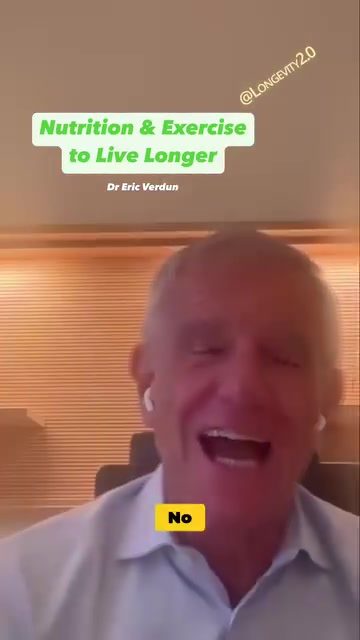
Nutrition and Exercise for a Longer, Healthier Life
Nutrition and exercise are integral to living a longer, healthier life. Dr. Eric Verdun, alongside Dr. Marc Hyman, emphasizes the significance of these two crucial components in maximizing longevity. Understanding how these factors influence our well-being can provide valuable insights into achieving and maintaining a high quality of life.
Context: Why Nutrition and Exercise Matter
In the pursuit of longevity, two key areas stand out: nutrition and exercise. These are not just separate aspects of health; they are deeply interconnected and mutually beneficial. Nutrition provides the fuel our bodies need to function optimally, while exercise ensures that this fuel is utilized effectively. Together, they boost energy levels, support essential bodily functions, and enhance overall well-being.
The Role of Nutrition
Nutrition plays a pivotal role in determining our health and longevity. It's not just about consuming the right calories; it's about the quality and type of nutrients we ingest. A balanced diet rich in essential nutrients can significantly impact our energy levels, cognitive function, and even our genetic makeup. Dr. Verdun highlights the importance of a nutrient-dense diet, emphasizing the role of various vitamins, minerals, and other essential compounds in promoting longevity.
Importance of Exercise
Exercise, whether it's a rigorous workout or a simple walk, is equally important. Regular physical activity affects the same pathways that nutrition does, fostering overall health and longevity. Dr. Verdun notes that as we age, our ability to generate energy decreases, making it crucial to engage in activities that support energy production. This includes not only physical exercise but also mental stimulation and social interaction, all of which contribute to a holistic approach to well-being.
Main Discussion
Energy and Longevity
One of the key theories of aging posits that as we age, our body's ability to generate energy declines. This reduction in energy can have far-reaching effects, impacting everything from cellular repair to cognitive function. For instance, the repair function of our DNA, which is essential for maintaining our genetic integrity, is highly dependent on energy. As our energy levels dwindle, our body may prioritize essential functions over less critical ones. Dr. Verdun explains that if the body has to choose between repairing DNA and activities like walking, it will favor the latter to ensure survival. This highlights the importance of maintaining adequate energy levels to support both immediate needs and long-term health.
The Interplay Between Nutrition and Exercise
Both nutrition and exercise influence the body's energy pathways. Proper nutrition ensures that we have the necessary fuel to perform daily activities and maintain optimal health. Exercise, in turn, helps in utilizing this fuel efficiently, promoting better cardiovascular health, muscle strength, and overall fitness. The combination of a balanced diet and regular physical activity can significantly enhance our ability to repair and regenerate, thus promoting longevity. Dr. Verdun underlines that investing in both nutrition and exercise is key to living a longer, healthier life.
Dr. Verdun's Insights
In one of his discussions, Dr. Verdun clarifies that investing in nutrition and exercise is one of the top strategies for maximizing longevity. He explains that these two elements affect all the same pathways that influence aging. By maintaining a healthy diet and engaging in regular physical activity, we can significantly enhance our body's ability to repair and regenerate, thereby promoting longevity. Understanding this interplay is crucial for anyone looking to improve their health and extend their lifespan.
Practical Tips
Incorporating Nutritious Foods
Incorporating a variety of nutrient-dense foods into your diet can help maximize energy levels and support health. Dr. Verdun recommends focusing on:
- Whole Foods: Whole grains, fruits, and vegetables provide essential vitamins and minerals.
- Lean Proteins: Protein is crucial for muscle repair and growth. Opt for lean sources like poultry, fish, and legumes.
- Healthy Fats: Fats are essential for brain function and energy production. Include sources like avocados, nuts, and olive oil.
- Hydration: Staying hydrated is vital for overall health and energy levels. Aim for at least 8 glasses of water a day.
Optimal Exercise Routines
Regular exercise is not just about physical fitness; it's about ensuring that your body remains functional and efficient. Here are some practical tips:
- Cardiovascular Exercises: Activities like walking, running, or cycling help improve cardiovascular health and energy levels. Aim for at least 150 minutes of moderate-intensity or 75 minutes of vigorous-intensity exercise per week.
- Strength Training: Building muscle strength through weight lifting or resistance exercises supports metabolism and overall health. Incorporate strength training at least 2 days a week.
- Flexibility and Balance: Yoga, Pilates, and stretching exercises can improve flexibility, balance, and mobility, which are essential for maintaining independence as we age.
Important Takeaways
- Nutrition and Exercise Interdependence: Both are critical for longevity and should be considered together for optimal health benefits.
- Energy Production: Maintaining adequate energy levels is essential for cellular repair and overall health.
- Holistic Approach: Incorporating a balanced diet and regular physical activity can significantly enhance longevity and quality of life.
Investing in Longevity
Dr. Verdun emphasizes that investing in our health through proper nutrition and exercise is one of the best strategies for maximizing longevity. By focusing on these two key areas, we can ensure that our bodies have the necessary fuel and energy to support both immediate needs and long-term health. This holistic approach not only promotes longevity but also enhances the quality of life, allowing us to age gracefully and healthily.
Questions readers ask
What are some key nutrients that experts recommend for longevity?
Experts like Dr. Eric Verdun and Dr. Marc Hyman suggest focusing on nutrients that support overall health and energy, such as antioxidants, lean proteins, and healthy fats. Foods rich in these nutrients include colorful fruits and vegetables, lean meats, and nuts. They also recommend limiting processed foods and sugars, which can negatively impact longevity.
How does exercise contribute to a longer, healthier life?
Exercise is crucial for longevity as it helps to utilize the nutrients from food more effectively. Regular physical activity boosts energy levels, improves cardiovascular health, and supports overall well-being. Experts recommend a mix of aerobic exercises, strength training, and flexibility routines for optimal benefits.
What is the best exercise routine for improving longevity?
An effective exercise routine for longevity includes a mix of activities that cater to different aspects of fitness. This could involve brisk walking or cycling for aerobic health, strength training for muscle maintenance, and yoga or stretching for flexibility. Aim for at least 150 minutes of moderate-intensity or 75 minutes of vigorous-intensity exercise per week, along with strength training exercises at least 2 days a week.
Is there a specific diet plan that experts recommend for longevity?
While there is no one-size-fits-all diet, experts often recommend a balanced approach that includes a variety of nutrient-dense foods. This might involve a diet rich in fruits, vegetables, lean proteins, and whole grains, similar to the Mediterranean diet. Portion control and staying hydrated are also key components of a longevity diet plan.
What are some simple lifestyle changes to boost energy and support longevity?
To boost energy and support longevity, consider incorporating regular walking into your daily routine, staying hydrated, and ensuring adequate sleep. These simple changes, combined with a balanced diet and regular exercise, can significantly enhance your overall well-being and energy levels.
How does exercise help in utilizing the nutrients from food?
Exercise enhances the body's ability to absorb and use nutrients more efficiently. It stimulates the metabolism, improves insulin sensitivity, and aids in the distribution of nutrients to various tissues. This synergy between physical activity and nutrition is essential for maintaining optimal health and energy levels.
What are some of the best foods for energy and health?
Foods rich in complex carbohydrates, lean proteins, and healthy fats are excellent for sustaining energy levels. Examples include whole grains, lean meats, fish, nuts, and colorful fruits and vegetables. These foods provide a steady release of energy and support overall health, making them ideal choices for a longevity-focused diet.
Recent articles
Fresh deep dives from the latest Reels we unpacked.




Comments
Be the first to comment.