The Great Solar Eclipse of 2027
What is a Total Solar Eclipse
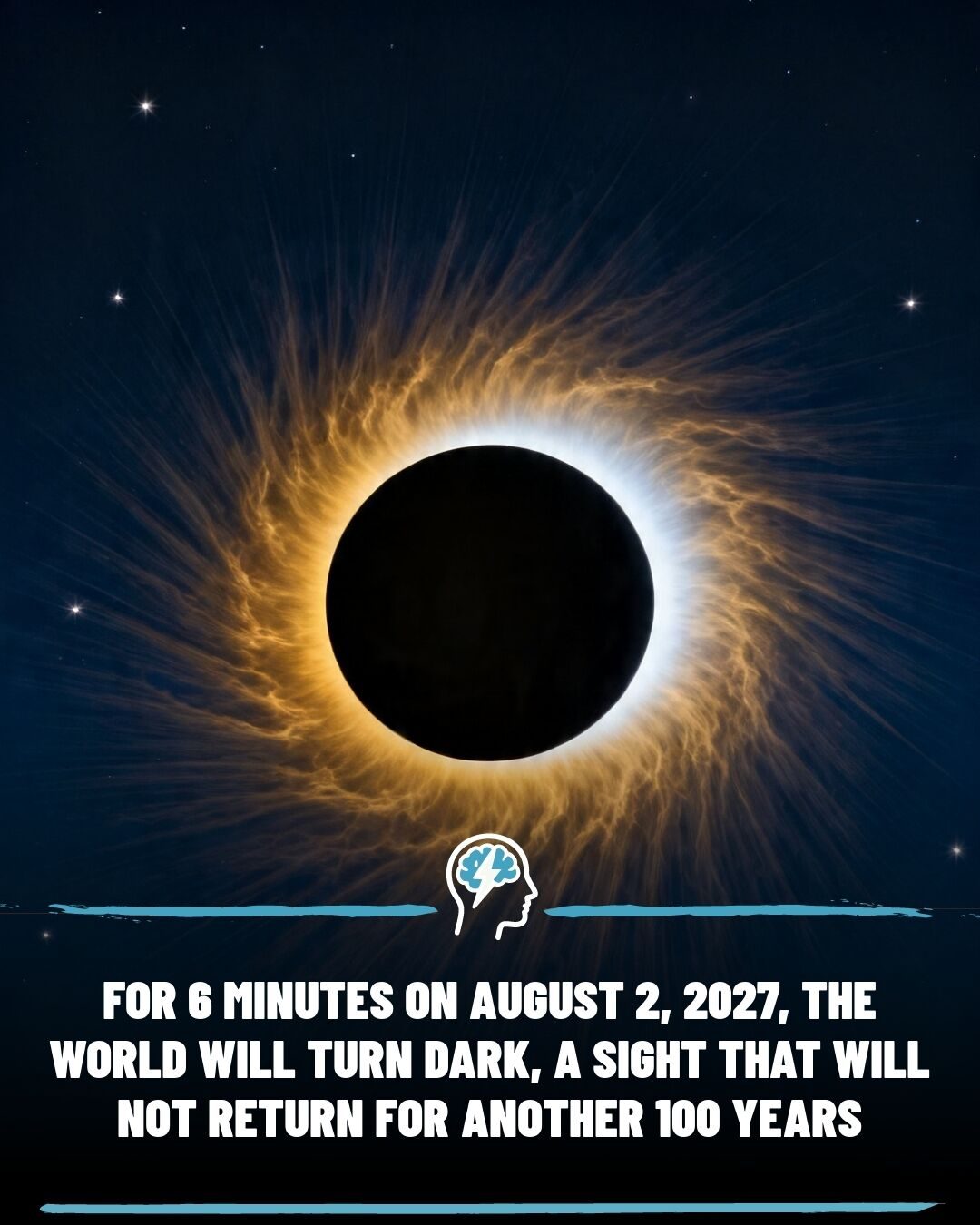
A total solar eclipse is one of the most awe-inspiring sights in the natural world. During a total solar eclipse, the Moon passes directly between the Earth and the Sun, completely blocking the Sun's light. This creates a temporary darkness, revealing a breathtaking view of the Sun's outer atmosphere, known as the corona. The corona is visible as a bright ring around the Moon, adding to the surreal and ethereal quality of the experience.
Why This Matters
Total solar eclipses are remarkable not only for their visual spectacle but also for their rarity. One of the most unique aspects of the 2027 eclipse is its duration. The path of totality, where the eclipse will be fully visible, will cross several countries, including Spain, Morocco, Algeria, Tunisia, Libya, Egypt, Saudi Arabia, and Yemen, providing a rare opportunity for many to witness this celestial event. For those in these regions, the eclipse promises an extraordinary experience, offering a glimpse into the mysteries of the cosmos in a way that few other natural phenomena can match.
What to Expect
The Path of Totality
The path of totality for the 2027 eclipse will stretch across North Africa and the Middle East, providing a prime viewing location for those in the right place. The eclipse will reach its maximum duration near Luxor, Egypt, where the total phase will last approximately 6 minutes and 22 seconds. This is the second-longest total solar eclipse of the 21st century, making it a particularly noteworthy event.
What Happens During an Eclipse
When the Moon aligns perfectly between the Earth and the Sun, it blocks out the Sun's light, casting a shadow on the Earth's surface. This creates a remarkable transition from daytime to twilight, often accompanied by a noticeable drop in temperature. In this brief period, stars and planets that are usually invisible during the day become visible, offering a unique glimpse of the night sky in broad daylight.
The Science and Wonder
Eclipses have captivated humans for thousands of years, inspiring awe and curiosity. They offer a unique opportunity for scientific observation, allowing astronomers to study the Sun's corona, which is typically obscured by the Sun's bright light. From a more mystical perspective, eclipses have long been seen as significant events, triggering everything from cultural rituals to personal introspection.
Practical Tips
Viewing the Eclipse
Never look directly at the Sun during an eclipse. Use specialized solar viewing glasses or an indirect method like pinhole projection. Direct sunlight can cause permanent eye damage, even when viewed during a partial eclipse. Even though the Moon blocks most of the Sun's light, a small fraction of its rays can still severely damage the eyes.
Planning Your Trip
If you're planning to travel to witness this rare event, start your preparations early. Research the best viewing spots within the path of totality. Consider the possibility of cloud cover and choose a location with a high likelihood of clear skies. Accommodations and travel arrangements may fill up quickly, so book well in advance. If you're not in the path of totality, plan to watch from the best location possible.
Documenting the Experience
Bring a camera or smartphone with a solar filter or use a telescope with a proper solar filter to capture the eclipse. Practice taking photos before the event to ensure you get the best shots. Bring extra batteries and memory cards, as you may spend a long time capturing and reviewing images.
Important Takeaways
A Rare Opportunity
The 2027 eclipse is unique in several ways. It won't be until 2114 that another total solar eclipse of comparable duration will be visible from accessible land. This makes it a once-in-a-lifetime experience for many, and a chance to witness a celestial event that few others will have the opportunity to see in their lifetimes.
The Significance of Totality
Being within the path of totality is crucial for experiencing the full impact of a total solar eclipse. The transition from daylight to twilight and the visibility of the Sun's corona are experiences that can only be fully appreciated from within this narrow band.
Conclusion
The solar eclipse of August 2, 2027, promises to be an extraordinary event. It offers a rare opportunity to witness one of nature's most breathtaking phenomena. Whether you are a seasoned eclipse chaser or a curious observer, this unique celestial event is something to look forward to. Prepare well, and if possible, be within the path of totality to experience the full wonder of this remarkable event.
Questions readers ask
When and where will the 2027 total solar eclipse occur?
The 2027 total solar eclipse will take place in August 2027. The path of totality will cross several countries in North Africa and the Middle East, providing a unique viewing opportunity for those in the region.
What is the path of totality for the 2027 solar eclipse?
The path of totality for the 2027 solar eclipse will stretch across North Africa and the Middle East. Countries in this path, such as Morocco, Spain, Algeria, Libya, Egypt, Saudi Arabia, and Yemen, will experience the full effect of the eclipse.
How long will the 2027 total solar eclipse last?
The duration of the 2027 total solar eclipse will vary depending on the location. In some areas, the eclipse will last up to 6 minutes and 22 seconds, offering a prolonged and captivating view of the Sun's corona.
What safety precautions should be taken when viewing the 2027 solar eclipse?
Viewing a solar eclipse directly can be harmful to your eyes. It is essential to use certified eclipse glasses or other safe viewing methods, such as pinhole projectors, to protect your vision while observing the eclipse.
What makes the 2027 solar eclipse unique?
The 2027 solar eclipse is unique for several reasons. It will be one of the longest total solar eclipses in recent history, with durations up to 6 minutes and 22 seconds, offering an extended view of the Sun's corona. Additionally, the path of totality will expose several countries in North Africa and the Middle East to this rare spectacle, providing a broad range of viewing opportunities.
What is the corona, and why is it significant during a total solar eclipse?
The corona is the Sun's outer atmosphere, which is normally overshadowed by the Sun's bright light. During a total solar eclipse, when the Moon blocks the Sun's disk, the corona becomes visible as a glowing ring around the Moon. This rare visibility of the corona makes the eclipse an extraordinary event for both astronomy enthusiasts and the general public.
How can I prepare for viewing the 2027 total solar eclipse?
To prepare for viewing the 2027 total solar eclipse, start by securing a good location within the path of totality. Obtain certified eclipse glasses and plan your travel and accommodation well in advance. Familiarize yourself with the eclipse timeline and be ready to experience this remarkable celestial event.
Related deep dives
Similar reads based on topic and creator.




Recent articles
Fresh deep dives from the latest Reels we unpacked.




Comments
Be the first to comment.