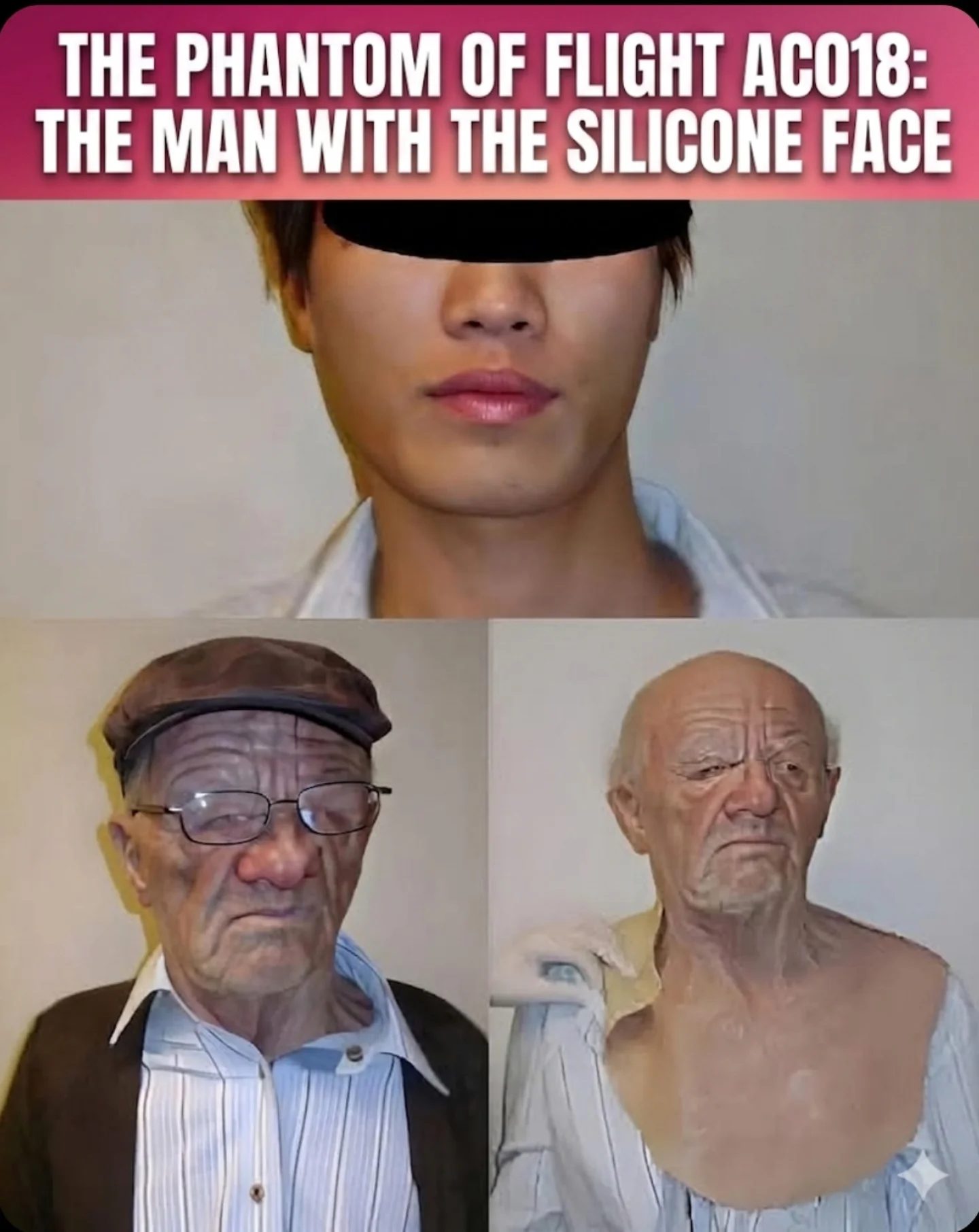
Age Transformation
The audacious tale of the young Chinese man who infiltrated an international flight by donning a high-definition silicone mask, has left an indelible mark on the annals of history. On October 29, 2010, he executed a plan meticulously crafted to deceive, portraying himself as an elderly Caucasian man. The event, often dubbed "The Phantom of Flight AC018: The Man with the Silicone Face," remains etched in public memory as a testament to human ingenuity, deception, and the blurred lines of reality.
How This Matters
The account transcends the boundaries of a mere thriller, delving into themes of identity, deception, and the lengths to which someone might go to escape their circumstances. Understanding the sophistication behind this impersonation underscores the advanced capabilities of modern silicone masks and the psychological and logistical considerations involved in such a daring feat.
A Testament to Human Ingenuity
The meticulousness of the plan and the precision of execution have sparked intrigue and speculation. The silicone mask, complete with spectacles, was designed to mimic the appearance and frailty of an elderly person. The mask's craftsmanship was so flawless that it fooled both passengers and crew, highlighting the advancements in prosthetic technology and the potential for realistic age transformation.
The Face of Deception
The Plan
The transformation began with a high-definition silicone mask, meticulously crafted to replicate the features of an elderly Caucasian man. The mask was not the only element; the man also adopted the mannerisms and movements of an elderly person, further solidifying his disguise.
The young man chose to wear a silicone mask because of its ability to mimic human skin closely due to its realistic texture and color. He also donned spectacles and moved with a frail gait, adding layers of deception to his appearance.
Mid-Air Metamorphosis
For several hours, the deception held. The man navigated the flight undetected, blending seamlessly with the passengers. However, the mid-flight cabin's sterile silence provided the perfect camouflage for his transformation.
Inside the cramped walls of the lavatory, he meticulously peeled away his silicone mask, reverting to his true identity. When he emerged, the crew members, shocked by the impossible transformation, realized they were harboring a phantom.
The World's Response
The revelation stunned the world. As images of the mask surfaced online, viewers marveled at the craftsmanship. The silicone mask, even under close scrutiny, appeared terrifyingly human. The haunted realism sparked both awe and fear, prompting questions about the implications of such technology.
Practical Tips
The tale of the Phantom of Flight AC018 serves as a reminder of the potential implications of advanced prosthetic technology for identity deception. Here are some essential tips for recognizing and mitigating potential threats:
- Look for Inconsistencies: Pay attention to subtle cues like mismatched skin tones, an unnatural gait, or inconsistencies in facial expressions.
- Question Unusual Behavior: If someone's behavior seems out of character, even if their appearance is convincing, it might be worth questioning.
- Enhance Surveillance: Implementing facial recognition technology and other biometric verification systems in high-security areas can help detect deception.
- Training and Awareness: Security personnel and crew members should be trained to recognize the signs of deception and the potential for advanced silicone masks.
Important Takeaways
The Phantom of Flight AC018 underscores several critical points:
- Advancements in Silicone Prosthetics: The high-definition silicone mask showcased the capabilities of modern prosthetic technology, highlighting its potential for realistic age transformation.
- The Psychological Aspect of Deception: The man's ability to mimic the mannerisms and movements of an elderly person demonstrated the psychological depth involved in deception.
- Public Awareness and Security Measures: The incident highlighted the need for enhanced surveillance, training, and public awareness to recognize and mitigate the risks associated with such deceptions.
Conclusion
The story of the Phantom of Flight AC018 remains a fascinating exploration of human ingenuity, deception, and the blurred lines of reality. The high-definition silicone mask's craftsmanship, combined with the calculated precision of the plan, has left an enduring mark on public memory. As prosthetic technology continues to advance, understanding the implications of such transformations becomes increasingly vital. The world watches in anticipation, questioning the potential for further innovations and the ethical considerations that come with them.
Questions readers ask
Why did the young man disguise himself as an elderly Caucasian man on a flight?
The young man disguised himself as an elderly Caucasian man to evade authorities and deceive flight attendants and passengers. His goal was to escape his circumstances and avoid detection by presenting himself as a completely different person.
What method did the young man use to change his appearance?
The man used a high-definition silicone mask to transform his appearance. This mask allowed him to convincingly portray an elderly Caucasian man, complete with the necessary facial features and skin texture. The mask was a crucial component in his plan to deceive those around him.
What was the significance of the 'The Phantom of Flight AC018: The Man with the Silicone Face'?
This event is significant because it highlights the potential for sophisticated deception and the lengths to which someone can go to change their appearance and identity. It also raises questions about security measures and the ease with which such disguises can be employed in public settings.
How did the man's disguise affect the flight and its passengers?
The man's disguise fooled both the flight attendants and the passengers, creating an atmosphere of disbelief and intrigue. The event remains a memorable one, illustrating the blurred lines of reality when it comes to visual identification and the potential for deception in everyday scenarios.
What can be learned from this event about the potential for disguise in public spaces?
This event underscores the importance of vigilance in public spaces and the potential for sophisticated disguises to be used for deception. It highlights the need for enhanced security measures and the awareness of the possibility of such elaborate impersonations in various settings, not just on flights.
What challenges did the young man face in executing his plan?
The young man had to meticulously plan every detail of his disguise and ensure that his actions did not arouse suspicion. This included maintaining the disguise throughout the flight, interacting with others without revealing his true identity, and avoiding detection by authorities.
What is the significance of the date October 29, 2010, in this story?
October 29, 2010, is the date when the young man executed his daring plan to disguise himself as an elderly Caucasian man on an international flight. This date marks the event that has since been remembered as 'The Phantom of Flight AC018: The Man with the Silicone Face,' a testament to human ingenuity and deception.
Related deep dives
Similar reads based on topic and creator.




Recent articles
Fresh deep dives from the latest Reels we unpacked.




Comments
Be the first to comment.