Introduction
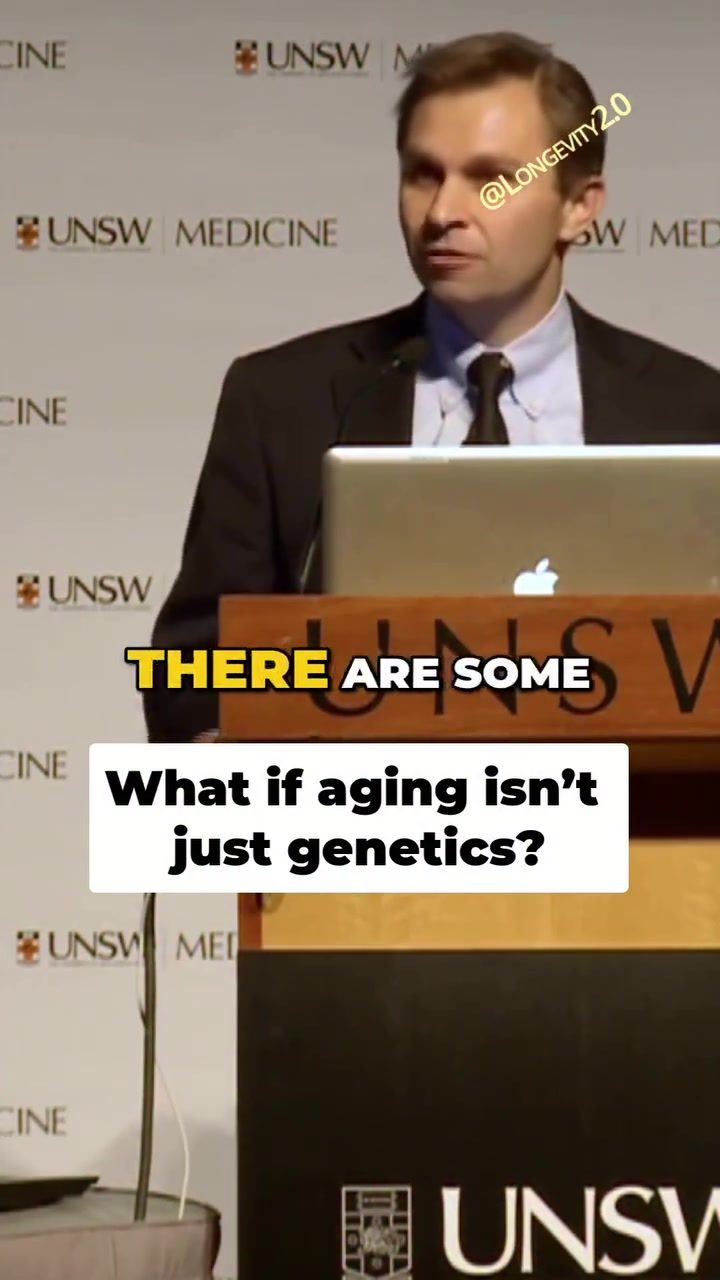
Longevity and genetics are closely linked, but they aren’t the whole story. Let's explore the fascinating intersection between genetics, health, and aging. This discussion is grounded by historical figures and scientific theories. It delves into the intricacies of why some people age more gracefully, and what researchers are doing to help everyone live healthier for longer.
Context / Why this matters
The quest for longevity isn't just about extending lifespan; it's about maintaining health and cognitive function throughout life. Jeanne Calment, the longest verified human lifespan in history, lived to 122 years old. Remarkably, she remained sharp and independent well into her late 100s. Her story underscores the potential for healthy aging, and it raises important questions about the role of genes and other factors in longevity.
Main discussion
The Role of Genetics
Genetics play a significant role in determining how long a person lives. Some individuals have a genetic predisposition that allows them to live well beyond the average lifespan. For instance, Jeanne Calment, who lived in France, held the record for the longest verified human lifespan. Her extraordinary longevity and youthful appearance in her 70s and 80s suggest that certain genetic factors contribute to healthy aging.
However, genetics are only part of the story. While some people may inherit genes that promote longevity, many other factors also influence how well and how long we live.
The Impact of Environment and Lifestyle
Beyond genetics, environmental and lifestyle factors significantly impact health and longevity. Jeanne Calment’s story highlights this point. Despite her advanced age, she maintained a sharp wit and a healthy demeanor. This indicates that while genetics may set the stage, it's the environment and lifestyle choices that fine-tune the outcome.
Researchers are increasingly focused on understanding how lifestyle choices and environmental factors can delay the onset of age-related diseases, such as cancer, Alzheimer’s, and metabolic disorders. The goal is to extend the healthy decades of midlife, making 50s, 60s, and 70s vibrant and disease-free.
The Promise of Longevity Science
The field of longevity science is rapidly advancing, with a focus on developing technologies that delay the biological processes driving age-related diseases. Imagine a medicine that not only treats a specific condition but also delays the underlying biological processes that lead to multiple diseases. This is the frontier we’re entering, aiming to compress disease and extend healthy aging.
One of the key points discussed is the idea of developing a medication that helps people get through their midlife without the constant fear of getting cancer or other age-related diseases. This approach aims to enhance overall health and well-being, making it possible for more 90-year-olds to feel as healthy and vibrant as those in their 60s.
Practical tips
While the science of longevity is advancing, there are practical steps you can take to promote healthy aging right now:
Adopt a Healthy Lifestyle
- Regular Exercise: Incorporate regular physical activity into your routine. Aim for at least 30 minutes of moderate exercise most days of the week.
- Balanced Diet: Eat a diet rich in fruits, vegetables, lean proteins, and whole grains. Avoid processed foods and excessive sugar.
- Adequate Sleep: Ensure you get 7-9 hours of quality sleep per night. Sleep is essential for cellular repair and overall health.
Maintain Mental Health
- Stay Socially Active: Engage in social activities and maintain strong social connections.
- Mental Stimulation: Keep your mind active with puzzles, reading, or learning new skills.
Regular Health Check-ups
- Routine Screenings: Regular health check-ups can help detect potential issues early, making them easier to manage.
- Vaccinations: Stay up-to-date with recommended vaccinations to protect against preventable diseases.
Important takeaways
- Genetics Matter, But They’re Not the Only Factor: While genetics play a role in longevity, lifestyle and environmental factors are equally important.
- Healthy Aging Is About More Than Just Longevity: The goal is to keep people healthier, more cognitive, and independent as they age.
- The Future of Longevity Science: Research is focused on developing technologies that delay the onset of age-related diseases, compressing disease and extending healthy aging.
- Practical Steps for Healthy Aging: Adopt a healthy lifestyle, maintain mental health, and stay on top of regular health check-ups.
Conclusion
The intersection of longevity and genetics offers a complex and fascinating area of study. While genes provide a foundation for longevity, lifestyle and environmental factors play a crucial role in determining how well and how long we live. The future of longevity science holds the promise of technologies that can delay age-related diseases, making it possible for more people to enjoy vibrant, healthy lives well into their later years. By understanding and applying the principles of healthy aging, we can all strive to live longer, healthier, and more fulfilling lives.
Related deep dives
Similar reads based on topic and creator.




Recent articles
Fresh deep dives from the latest Reels we unpacked.




Comments
Be the first to comment.