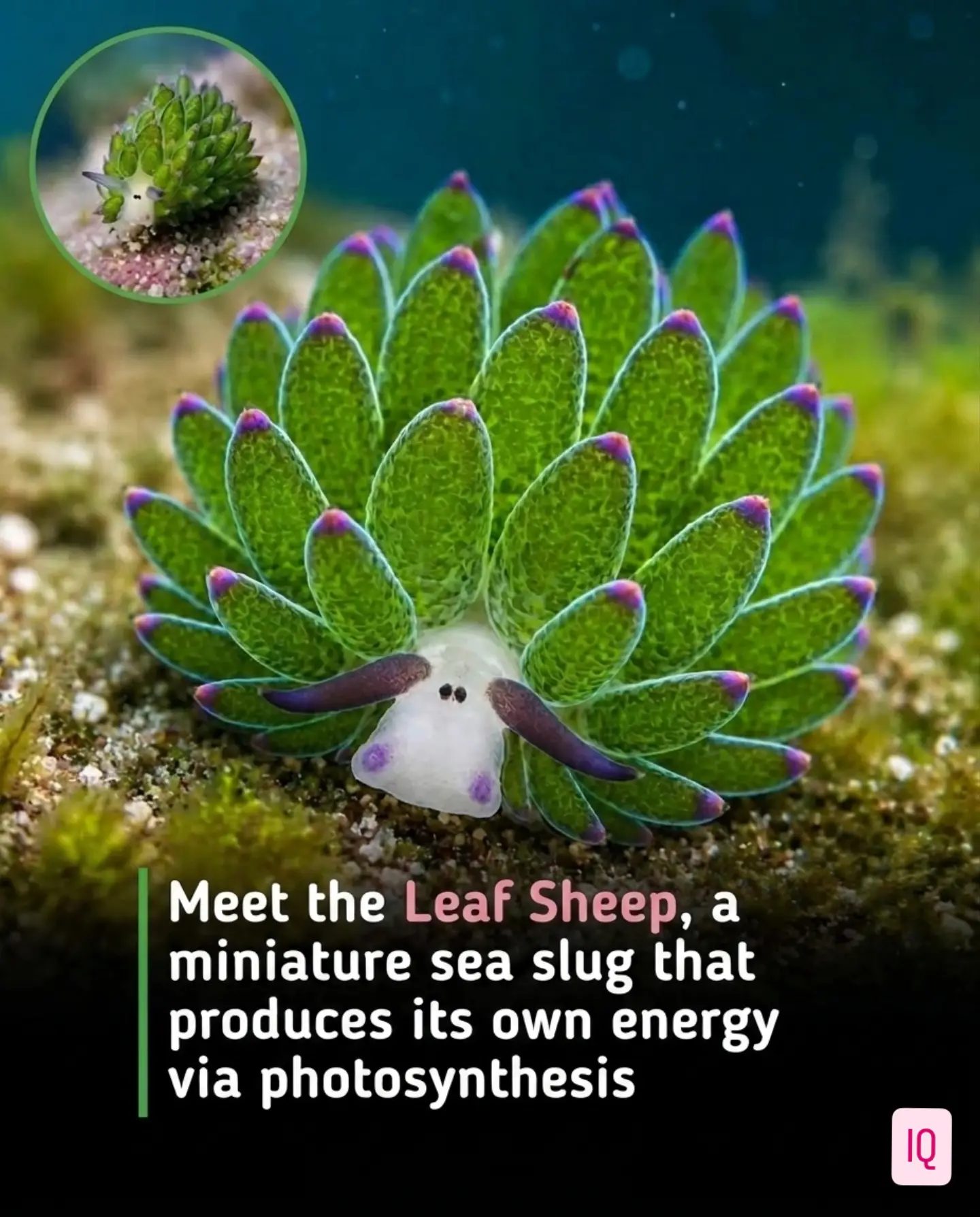
The Leaf Sheep Sea Slug: A Miniature Marvel of Marine Life
The Leaf Sheep (Costasiella kuroshimae) is a remarkable tiny sea slug, celebrated worldwide for its unique ability to perform photosynthesis. This minuscule marine organism, which usually grows to just a few millimeters, is a species of sacoglossan sea slug, known for its extraordinary adaptations and captivating leaf-like appearance. This guide will provide a detailed look into the fascinating world of this creature.
Context / Why this matters
The Leaf Sheep is found primarily in the tropical waters of Japan, Indonesia, and the Philippines, making it a highly sought-after subject for underwater photography enthusiasts. Its diminutive size and extraordinary adaptations make it a marvel of evolutionary biology. Understanding the Leaf Sheep provides insights into the incredible diversity and resilience of marine life.
Main discussion
The Leaf Sheep's Unique Appearance
The Leaf Sheep's distinctive appearance is one of the first things that capture attention. This tiny creature resembles a cartoon sheep covered in succulent leaves, blending seamlessly into its natural habitat. The leaf-like appearance is not just for camouflage; it also plays a crucial role in its survival by helping it absorb sunlight for photosynthesis.
Photosynthesis and Kleptoplasty
Unlike other sea slugs, the Leaf Sheep has the unique ability to produce its own energy through photosynthesis. It achieves this by grazes on green algae, which retains functional chloroplasts within its body through a biological process called kleptoplasty. This process allows the slug to generate its own energy directly from sunlight, effectively behaving like a living plant.
Kleptoplasty is a fascinating process where the Leaf Sheep retains the chloroplasts from the algae it consumes. These chloroplasts are the organelles responsible for photosynthesis in plants. By retaining these chloroplasts, the Leaf Sheep can convert sunlight into energy, much like a plant. This adaptation is a remarkable example of symbiotic relationships in nature, where one organism benefits from another without causing harm.
Habitat and Distribution
Primarily found in the tropical waters of Japan, Indonesia, and the Philippines, the Leaf Sheep thrives in environments rich in marine plants and seaweed. These regions provide the ideal conditions for the Leaf Sheep to graze on green algae and perform photosynthesis. The tropical waters offer the perfect balance of sunlight and marine vegetation, making it an ideal habitat for this unique sea slug.
Practical tips
For Marine Enthusiasts
If you're planning to go on a marine adventure, some tips can help you spot the Leaf Sheep:
- Patience and Persistence: Searching for the Leaf Sheep requires patience and persistence. Given their minuscule size, they can be challenging to spot. Take your time and explore the underwater terrain thoroughly.
- Right Equipment: Use high-quality macro underwater photography equipment. This will allow you to capture the intricate details of the Leaf Sheep and its environment.
- Ideal Conditions: The best time to spot the Leaf Sheep is during daylight hours when the sunlight penetrates the water, making it easier to see the slugs in their natural habitat.
Conservation Tips
The Leaf Sheep, while fascinating, is a delicate part of the marine ecosystem. Here are some conservation tips:
- Respect Marine Life: Always practice responsible diving and photography. Avoid touching or disturbing marine life, as it can harm delicate organisms like the Leaf Sheep.
- Educate Others: Share your knowledge about the Leaf Sheep and the importance of preserving marine habitats. Education is a powerful tool in the conservation of marine life.
- Support Conservation Efforts: Contribute to organizations that work towards marine conservation. Your support can help protect the habitats of species like the Leaf Sheep.
Important takeaways
- The Leaf Sheep is a miniature sea slug found in the tropical waters of Japan, Indonesia, and the Philippines.
- It produces its own energy through photosynthesis by retaining functional chloroplasts from the algae it consumes.
- Its leaf-like appearance and unique adaptations make it a fascinating subject for macro underwater photography.
- The Leaf Sheep thrives in environments rich in marine plants and seaweed, where it can perform photosynthesis efficiently.
Conclusion
The Leaf Sheep (Costasiella kuroshimae) is a true marvel of nature, showcasing the incredible adaptations that marine life has evolved over time. Its ability to perform photosynthesis, coupled with its unique leaf-like appearance, makes it a fascinating subject for underwater photography and a symbol of the extraordinary diversity of marine life. By understanding and appreciating this creature, we can gain a deeper respect for the delicate balance of marine ecosystems and the importance of conservation efforts.
Questions readers ask
What makes the Leaf Sheep Sea Slug unique among marine life?
The Leaf Sheep Sea Slug, or Costasiella kuroshimae, is unique due to its ability to perform photosynthesis, a rare trait among sea slugs. This adaptation, along with its distinct leaf-like appearance, sets it apart from other marine organisms.
Where can the Leaf Sheep Sea Slug be found in the wild?
The Leaf Sheep Sea Slug is primarily found in the tropical waters of Japan, Indonesia, and the Philippines. Its habitat makes it a sought-after subject for underwater photography enthusiasts in these regions.
How does the Leaf Sheep Sea Slug's leaf-like appearance aid in its survival?
The leaf-like appearance of the Leaf Sheep Sea Slug serves multiple purposes. It helps the slug blend into its surroundings, providing camouflage from predators. Additionally, this shape maximizes the surface area for photosynthesis, enhancing its ability to harness energy from sunlight.
What is a sacoglossan sea slug, and why is the Leaf Sheep Sea Slug significant within this group?
Sacoglossan sea slugs are a group known for their unique ability to sequester chloroplasts from the algae they consume, enabling them to perform photosynthesis. The Leaf Sheep Sea Slug is significant within this group due to its exceptional adaptation and distinctive leaf-like form.
Why is the Leaf Sheep Sea Slug of interest to marine biologists?
Marine biologists are fascinated by the Leaf Sheep Sea Slug because of its unique photosynthetic capabilities and its role in understanding evolutionary biology. Studying this creature provides insights into the complex relationships between marine organisms and their environments.
What challenges do underwater photography enthusiasts face when capturing the Leaf Sheep Sea Slug?
Underwater photography enthusiasts face several challenges when trying to capture the Leaf Sheep Sea Slug, including its small size and the need for precise lighting to bring out its delicate features. Additionally, the slug's camouflage can make it difficult to spot, even in its natural habitat.
What other marine organisms exhibit photosynthetic abilities similar to the Leaf Sheep Sea Slug?
While the Leaf Sheep Sea Slug is one of the most notable examples, other sacoglossan sea slugs, such as Elysia species, also exhibit photosynthetic abilities. These creatures sequester chloroplasts from algae, allowing them to produce energy through photosynthesis, much like plants.
Related deep dives
Similar reads based on topic and creator.




Recent articles
Fresh deep dives from the latest Reels we unpacked.




Comments
Be the first to comment.