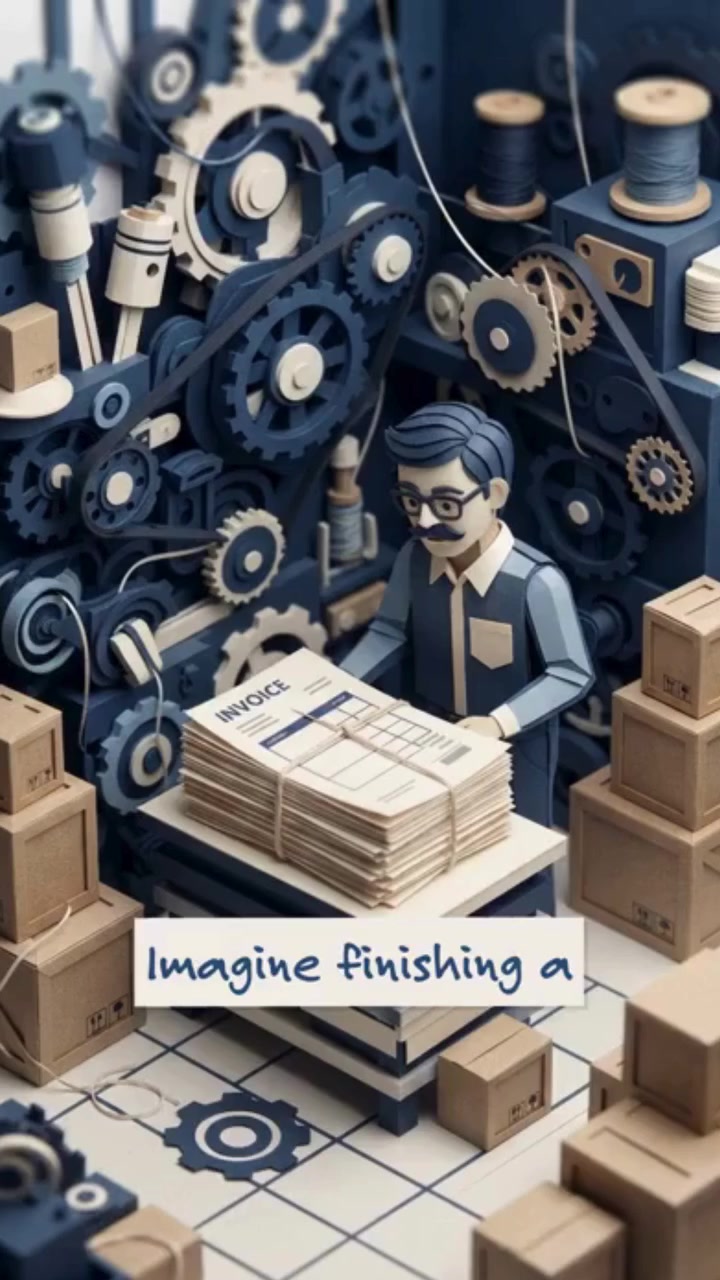
Breaking the Cycle: India’s New Way to Turn Bills into Cash
Businesses across India are deeply familiar with the crippling wait for payment from their corporate clients. These big corporations often take 60 to 120 days to settle invoices, leaving smaller suppliers in a cash crunch. But one startup, not well-known but hugely essential, is fixing this. The company goes by the name Credix.
The Engine Behind Instant Cash
Credix offers a revolutionary solution for small and medium-sized enterprises (SMEs) struggling with delayed payments. Its platform turns unpaid bills into instant cash. When a business uploads their invoice, the tech behind Credix shifts it from a delayed liability into an immediate financial asset, making it possible for companies to pay their employees and other expenses on schedule. This service does not require any collateral, which means small businesses can access funds without adding to their debt burden. Two alumni from IIT Kanpur, Manish Kumar and Anurag Jain, built Credix. Their backgrounds in institutional banking and risk management at firms like HSBC give them a solid foundation for understanding and mitigating financial risks. This expertise is pivotal to Credix's success in developing a robust and efficient financial technology. The startup’s approach is grounded in pragmatism, risk management, and clear-cut financial procedures.
Understanding How Credex Functions
To fix India’s problems with unpaid invoices, Credix brought financial automation and lends money for the value of invoices. Businesses upload an invoice to the platform. This platform then assesses the validity of the invoice, and how likely the business owes the money on time. It does this by looking at data from businesses and customers and using it to calculate the risk. Once approved, the cash is immediately transferred to the business. The platform has automated systems that track the unpaid invoice and can lend up to 80% of the value of the invoice. It takes a small fee for this service.
The Scale of Credex
Credix’s services have been vital for businesses operating on a tight budget. Many small businesses, including those in the manufacturing and service sectors, utilise these services. In addition, the platform has processed over $12 billion for 40,000 businesses. This means that about 40,000 businesses have used the platform to get paid instantly. It operates as one of the only five RBI-licensed platforms specifically designed for trading business debt in India. It’s important to note that because it is RBI licensed, it is regulated and monitored by the Reserve Bank of India
The Value of a Private Company
The company has had a $26 million funding round in 2019. Yet, its valuation remains a mystery, nor publicly disclosed. However, its high value is evident from the sheer amount of money it has loaned, the number of users, and RBI approval. Despite the secrecy around valuation, the numbers show that it is a major company.
How Credex Automates Financial Processes
Credex automates financial processes to provide efficient solutions to businesses. It gets paid a small percentage of every invoice. It checks the invoices for authenticity and approves the loan. The cash advances are immediate or within 24 hours. The revenue model focuses on a fee based on the invoice amount, taking a percentage (usually 1-3%) of the total invoice amount as the gross profit.
The Need for Creative Financial Solutions is Growing
In a country where SMEs are pivotal to economy, but often face financial uncertainties due to long credit cycles, companies like Credex are critical. Traditional banks have strict lending norms, making it difficult for SMEs to access credit. Here, fintech solutions like Credex turn out to be lifelines. They solve the immediate cash flow crisis with a cash flow boost. However, while these platforms offer instant cash, their terms, fees, and risks need deeper scrutiny. Managing the cash flow is one of the main challenges that SMEs in India and elsewhere face. The wait for payments and the uncertainty around them can disrupt the business of a small enterprise. Credix improves this by providing instant capital against invoices.
Beyond Traditional Lenders
Traditional lending institutions have strict loan disbursal norms. Smaller businesses, which often lack assets to pledge as collateral, find it difficult to get loans. These platforms, which do not require collateral, have emerged to bridge this gap. India’s fintech revolution helps bolster these platforms.
Bridging the Middlemen
In the past, middlemen played a crucial role in financial aid. These platforms take a brokering role, matching businesses needing capital with businesses who have cash. Technologies such as blockchain and AI have enabled these platforms to automate processes, reduce costs, and make the lending process more efficient. This means that the technology company runs the credit checks and payments without the need for a physical person.
The Rise of Invoice Financing
The platform operates as an exchange for trading business debt, also known as invoice financing. This market allows companies to sell unpaid invoices to investors, providing an alternative source of capital. The platform automates the process. Invoice financing helps businesses to get paid instantly instead of waiting for months. Investors can also buy these invoices for profit.
How SMEs Can Get Started
Getting started with Credex involves a straightforward process. Here’s how small businesses can make the most out of this financial tool
- Assessment: Determine if your business fits the criteria and if invoice financing is the best option for your current financial situation. Dig deep into the costs, terms, and conditions before you start.
- Upload invoices: Businesses can upload valid and authentic invoices to the platform. Companies should check that the invoices are accurate and do not contain errors.
- Verification: The platform will verify the invoice and assess its value and risk. This step is automated and involves checking the data against information and databases. It may take minutes to a few hours.
- Loan approval: Upon approval, businesses will receive 80% of the invoice amount. The invoice is now a lien until the due date, when the original amount will be paid.
- Repayment: Once the invoice is paid, the remaining 20% of the invoice value, minus the fees charged, are transferred to the business. Fees: Credix charges a small fee on the invoice amount. This is usually between 0.5 to 3% of the invoice. The fee is usually around 1-2% of the invoice. Companies should assess these fees and compare them with other funding options. The benefits of instant cash may far outweigh the fees for many companies.
The Unknown Riddle
The company has not publicly disclosed its current valuation since a $26 million funding round in 2019. However, the figures about the $12 billion worth of invoices processed and 40,000 businesses using the service give a clear idea of the scale. This doesn't make the company any less important. The fact that so many Indian small businesses rely on this platform shows the importance of this new alternative financial system. Many businesses have used it to pay salaries, bills and the costs of running the business. The platform helps small businesses cope with their cash flow problems by ensuring that they can pay what they need to, and keep going even when they are waiting on payments.
Questions readers ask
What exactly is Credix and how does it help small businesses in India?
Credix is a financial technology startup based in India that helps small and medium-sized enterprises (SMEs) overcome the challenge of delayed payments from their corporate clients. By using its platform, businesses can convert unpaid invoices into immediate cash, allowing them to cover their expenses and pay their employees on time. This is particularly useful in India, where payment periods of 60 to 120 days are common, leaving smaller suppliers in a cash crunch.
How does Credix assess the risk of unpaid invoices?
Credix uses advanced financial automation and data analytics to assess the validity and risk of unpaid invoices. It examines data from both the business and its customers to determine the likelihood of timely payment. This risk assessment is crucial for the platform to decide how much money to lend against an invoice, which can be up to 80% of the invoice's value.
What makes Credix different from other financial services?
Credix stands out because it does not require any collateral from the businesses it serves, which means small businesses can access funds without adding to their debt burden. Additionally, Credix is one of only five RBI-licensed platforms in India specifically designed for trading business debt, ensuring it is regulated and monitored by the Reserve Bank of India.
How does Credix make money?
Credix generates revenue by charging a small fee for its service. When a business uploads an invoice and receives immediate cash, Credix takes a percentage of the invoice’s value as its fee. This fee structure allows Credix to operate sustainably while providing a vital service to businesses in need of quick cash flow.
Can any business use Credix, or are there specific criteria?
Credix primarily serves small and medium-sized enterprises (SMEs) in India. While the article does not specify exact criteria, it is clear that the platform is designed to help businesses that are struggling with delayed payments from their corporate clients. If your business falls into this category and operates in India, there is a good chance you could benefit from Credix’s services.
Related deep dives
Similar reads based on topic and creator.




Recent articles
Fresh deep dives from the latest Reels we unpacked.




Comments
Be the first to comment.