How the Government Keys Unlock Startup Investments
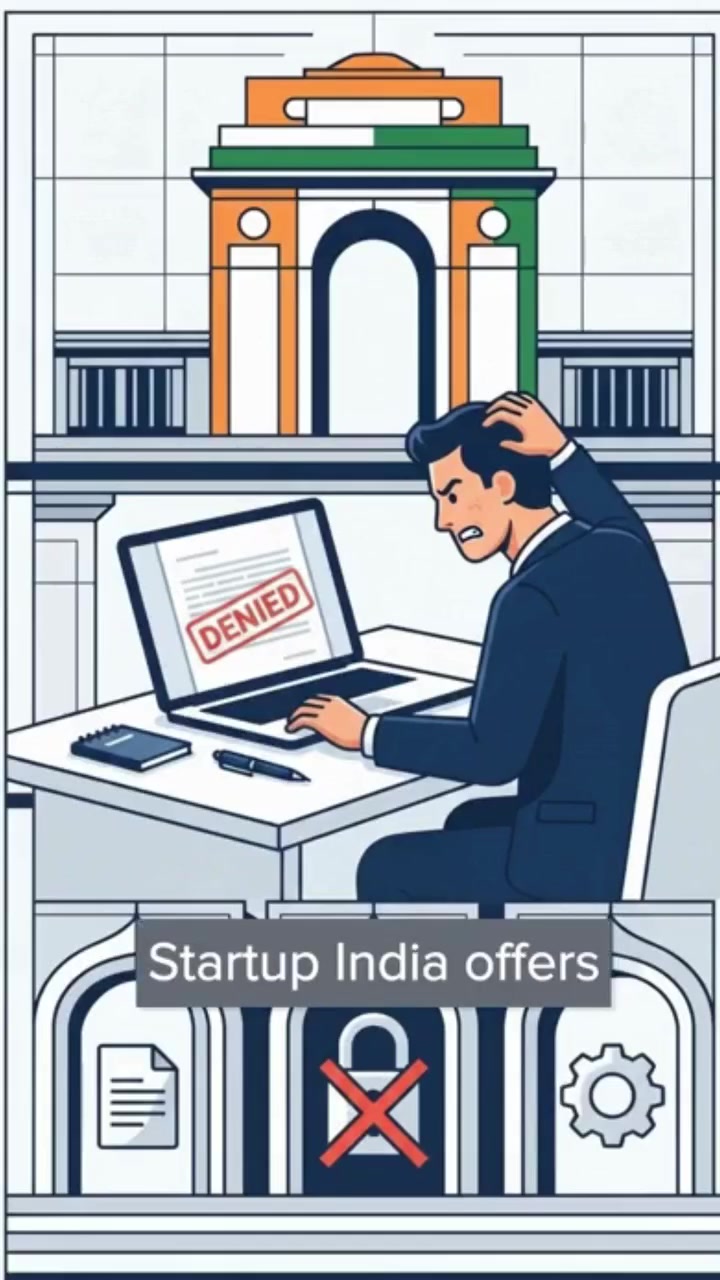
A newly incorporated robotic startup, aiming to raise a 20 lakh rupees seed fund to build its first prototype, initially encounters a bureaucratic obstacle that’s common to many Indian startups. The government does not directly hand out seed funds or grants. To secure initial capital, the startup must first obtain a "master key" — a DPIIT recognition certificate that proves the business genuinely innovative. Then, the startup presents this key from the Department for Promotion of Industry and Internal Trade (DPIIT) to an approved local incubator, which will decide whether to grant the funds.
India's Initiatives Catalyze Connections
Startup India — an initiative aims to connect eligible startups with potential funding. Beyond grants, the platform promises easier business loans, tax exemptions, and even government customers through the Government e-Marketplace. These provisions are intended to fuel a boom in startup initiatives across the country, extending throughout India, particularly supporting domestic manufacturing and production. More than a simple grant program, India’s advancement is directing growth through its business incubation programs. Incubators take a primary role in evaluating startups, providing the capital and the critical business advice and training a startup may need.
How Government Funding Works
Many startup founders in India mistakenly believe the government directly provides cash. Instead, this government-backed funding actually involves a multi-step process that combines trusted third-party intermediaries with a recognized certification. The government officially recognizes startups as innovative, unique, and genuinely Indian. This DPIIT recognition is an official credential certifying their authentic status. All funds are routed through incubators and other specialized institutions. Startups must navigate applications that are validated through these intermediary organizations.
Your Business Must Be Recognized
To tap into grants, tax benefits, and loans, a startup must first secure the DPIIT recognition. The onset of the application process involves proving the business is unique and innovative. DPIIT endorsement signifies that a business meets the required criteria. DPIIT recognition qualifies for obtaining benefits like grants and loans and introduces the business into several government initiatives. Meanwhile, the government doesn’t distribute the money directly but uses third-party institutions like incubators to evaluate the validity of the business.
Incubators Act as Intermediaries
The DPIIT recognition acts as the key to unlocking the actual funds. Take a 20 lakh rupee seed fund grant for a brand-new venture. To cash in on the grant, the startup must present its DPIIT key to an approved, regional incubator. For a startup to secure the funds, it must rely on a third-party institution to independently review and evaluate the validity of the startup’s business model. When a startup has the DPIIT certificate, even when dealing with the bank, the startup must navigate additional approvals. The credit guarantee scheme is initiated by presenting the DPIIT certificate to a collaborating bank. Even after the approval, the DPIIT certificate doesn’t directly lead to an open check. The startup must convince the collaborator of the potential, only then unlocking the loan.
How Grants, Loans and Tax Benefits Aid Startups
While grants like a 20 lakh rupees seed fund grant are one such benefit, the government also offers collateral-free loans under the credit guarantee scheme, simplified business loans, and up to 100% income tax exemption for eligible businesses. Be prepared to utilize the DPIIT recognition certificate for grants, loans, and tax breaks. The certification is the prerequisite for all benefits. Bank participation with the credit guarantee scheme proves particularly useful for businesses needing loans, as the banks are the ones distributing the funds.
Leverage the Benefits
Startup India offers a range of benefits, but navigating their system and accessing these benefits is a rigorous process. A range of support can boost your startup, but you will need to master the path to get there. Here are some steps to get you on the way:
- Grants: Secure your DPIIT recognition certificate first, then apply for grants of up to 20 lakh rupees. Your application must satisfy the requirements of an approved incubator. Although the government has a role in providing grants, the final award grant is issued by local incubators.
- Loans: Obtain a DPIIT recognition certificate and use it to apply for loans. Present the certificate to a participating bank. Once again, the local bank evaluates the eligibility and disburses the loan.
- Taxes: Ensure your startup aligns with all eligibility requirements for tax breaks. The DPIIT certificate supports a pathway to fiscal incentives. While the DPIIT recognition certificate is a prerequisite, the final tax benefits hinge on the eligibility verification check from the government.
The Specifics of Accessing Credit Guarantee Scheme
The credit guarantee scheme is a vital support program for startups, offering collateral-free loans. Startups secured by this certification are given loans through cooperating banks. To unlock a loan, take your DPIIT certificate to a participating bank. The banks are the actual providers of the funds. The banks effectively evaluate your business and then release funds for viable startups.
Secrets to Success
The startup journey is a marathon, not a sprint. It’s crucial to remain adaptable and knowledgeable. While grants, loans, and tax benefits are available, the key is to recognize the need to apply for the correct benefits and to continue pursuing the best platform. Accessing these benefits requires preparation and strategy. Tapping into various support programs and resources while avoiding some common pitfalls can help you secure the financial help you need. Keep an open mind and be ready to learn. Build your startup with the support at hand, be prepared to navigate bureaucratic hoops for a successful launch. Many startups struggle to obtain grants, loans, and tax incentives. Discover all the benefits on offer, be aware of what you need, and prepare for the journey to unlock the funding you will need.
Questions readers ask
What is DPIIT recognition and why is it crucial for startups in India?
DPIIT recognition is a certificate from the Department for Promotion of Industry and Internal Trade that certifies a startup as innovative and genuinely Indian. It's crucial because it acts as a 'master key' that unlocks access to various government funding and support programs, including grants, tax exemptions, and easier business loans. Without this recognition, startups can't apply for seed funding or other benefits.
How does the government funding process work for startups in India?
The government doesn't directly provide cash to startups. Instead, it recognizes startups through the DPIIT certification, which they then present to approved incubators or other third-party institutions. These intermediaries evaluate the startup's business model and decide whether to grant the funds, acting as a bridge between the government and the startup.
Can a startup in India apply for government funding without DPIIT recognition?
No, a startup cannot apply for government funding without DPIIT recognition. This recognition is the first step in the process and acts as proof that the business is innovative and unique. Without it, startups won't be able to access grants, loans, or other benefits offered by the government.
What role do incubators play in the startup funding process in India?
Incubators act as intermediaries in the funding process. They evaluate startups based on their DPIIT recognition and business models. If approved, incubators provide the startup with the necessary capital and business advice. They are a crucial part of the ecosystem, helping startups navigate the government's funding process.
Related deep dives
Similar reads based on topic and creator.




Recent articles
Fresh deep dives from the latest Reels we unpacked.




Comments
Be the first to comment.