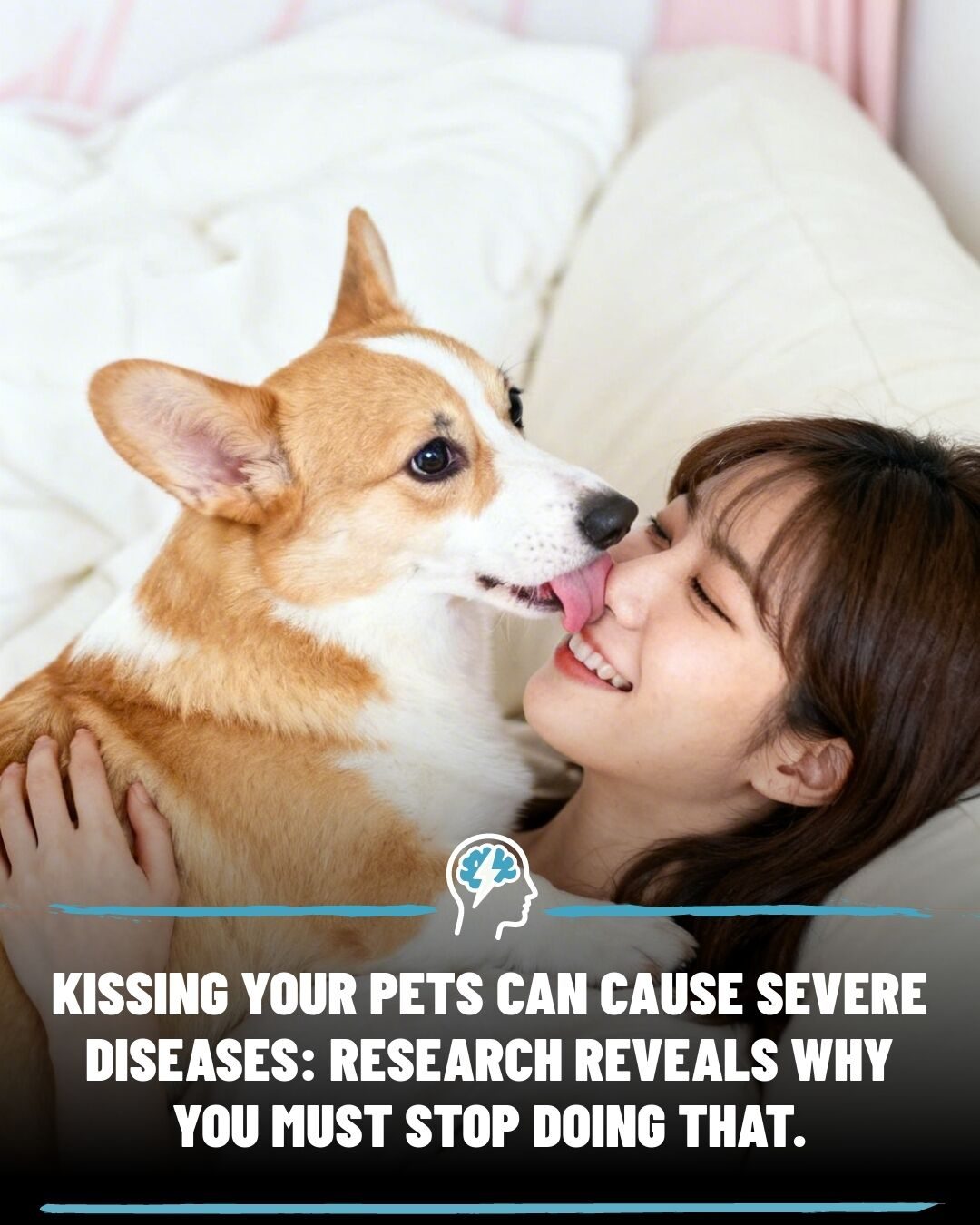
Pet Health Warning
Pet saliva and close contact can transmit certain bacteria to humans, including Capnocytophaga, Salmonella, and Campylobacter. Understand the risks and the science behind why kissing pets might not be the best idea.
Context / Why this matters
Pets are beloved members of many families, providing companionship and joy. However, it's essential to be aware of the potential health risks associated with close contact, particularly kissing. While the overall risk for healthy adults is considered low, understanding the science can help make informed choices, especially for those in higher-risk categories.
Main discussion
Understanding the Risks
Pets, especially dogs and cats, can harbor various bacteria in their mouths that typically do not cause them any harm. However, these bacteria can potentially be transmitted to humans through close contact, such as kissing or licking.
Capnocytophaga
Capnocytophaga is a type of bacteria that naturally resides in the mouths of dogs and cats. While it usually does not cause problems for the animals, it can lead to severe infections in humans, particularly those with weakened immune systems.
Salmonella and Campylobacter
Salmonella and Campylobacter are bacteria that can cause gastrointestinal illnesses in humans. These bacteria are typically spread through the fecal-oral route, which can occur when pets lick hands or faces after contact with their own waste. This is why proper hygiene and regular fecal examinations are crucial for preventing the spread of these bacteria.
Transmission Pathways
Bacteria can enter a human's body through mucous membranes or broken skin. When pets lick your face, mouth, or an open cut, these microbes can potentially cause infections. Additionally, bacteria like Salmonella and Campylobacter can be transmitted through the fecal-oral route, emphasizing the importance of hand hygiene after interacting with pets.
High-Risk Groups
While the overall risk for healthy adults is low, certain groups are more vulnerable to serious complications. Young children, pregnant women, older adults, and immunocompromised individuals should be particularly cautious. For example, a documented case involved a woman who developed meningitis after regularly kissing her dog's face.
Practical tips
To reduce the risk of transmitting bacteria from pets to humans, follow these practical tips:
Hygiene Practices
-
Wash Hands Regularly: Always wash your hands after interacting with pets and before handling food. This simple practice can significantly reduce the risk of bacterial transmission.
-
Keep Up with Fecal Exams: Regular fecal examinations for your pets can help detect and treat infections early, reducing the risk of transmission to humans.
Vaccinations and Deworming
-
Stay Current on Vaccinations: Ensure your pets are up-to-date on their vaccinations to protect them from diseases that could indirectly affect you.
-
Regular Deworming: Regular deworming can help control intestinal parasites, reducing the risk of fecal-oral transmission of bacteria.
Cleanliness
- Maintain Yard Cleanliness: Regularly clean your yard to minimize the presence of pet waste, which can harbor bacteria like Salmonella and Campylobacter.
Important takeaways
-
Awareness is Key: Understanding the potential health risks associated with close contact with pets can help you make informed decisions about your interactions.
-
Risk Reduction: Simple precautions, such as washing hands after pet contact and keeping up with regular vet visits, can significantly reduce the risk of bacterial transmission.
-
Special Considerations: Young children, pregnant women, older adults, and immunocompromised individuals should be particularly cautious and consider avoiding close contact with pets.
Conclusion
Kissing pets might come with unexpected health risks, but with the right knowledge and precautions, you can enjoy the companionship of your pets while minimizing these risks. Always practice good hygiene, keep up with regular veterinary care, and be mindful of the specific needs of high-risk individuals in your household. By doing so, you can continue to love your pets while ensuring the safety and health of your family.
Questions readers ask
What kinds of bacteria can be transmitted from pets to humans through kissing?
Common bacteria such as Capnocytophaga, Salmonella, and Campylobacter can be transmitted from pets to humans during kissing. These bacteria can lead to infections, particularly in individuals with compromised immune systems.
Why are people with weakened immune systems at higher risk when kissing pets?
People with weakened immune systems are more susceptible to infections because their bodies are less equipped to fight off bacteria. Kissing pets can introduce harmful bacteria, leading to more severe illnesses in these individuals.
How do pets typically acquire these bacteria?
Pets can acquire these bacteria from various sources, including their environment, other animals, and contaminated food or water. These bacteria can reside in their mouths and be transmitted to humans during close contact, such as kissing.
What are the potential health risks of kissing a pet for a healthy adult?
For healthy adults, the risk of serious illness from kissing a pet is generally low. However, it is still possible to contract minor infections or illnesses, and it's important to be aware of the potential for transmitting bacteria.
Can regular grooming and cleaning of pets reduce the risk of bacterial transmission?
Yes, maintaining good hygiene practices for your pet, such as regular grooming, cleaning, and vet check-ups, can help reduce the risk of bacterial transmission. However, it's still important to be cautious with close contact like kissing, especially if you or someone in your household has a weakened immune system.
How quickly can symptoms of bacterial infection appear after kissing a pet?
Symptoms of bacterial infection can vary in onset. For some infections, like those caused by Salmonella or Campylobacter, symptoms can appear within a few days. For others, like Capnocytophaga, symptoms might take longer to develop, sometimes up to a couple of weeks.
What steps can I take to minimize the risk of bacterial transmission from my pet?
To minimize the risk, avoid kissing your pet on the mouth, wash your hands regularly, maintain good hygiene for your pet, and be cautious with close contact, especially if you or someone in your household has a weakened immune system.
Related deep dives
Similar reads based on topic and creator.



Recent articles
Fresh deep dives from the latest Reels we unpacked.




Comments
Be the first to comment.