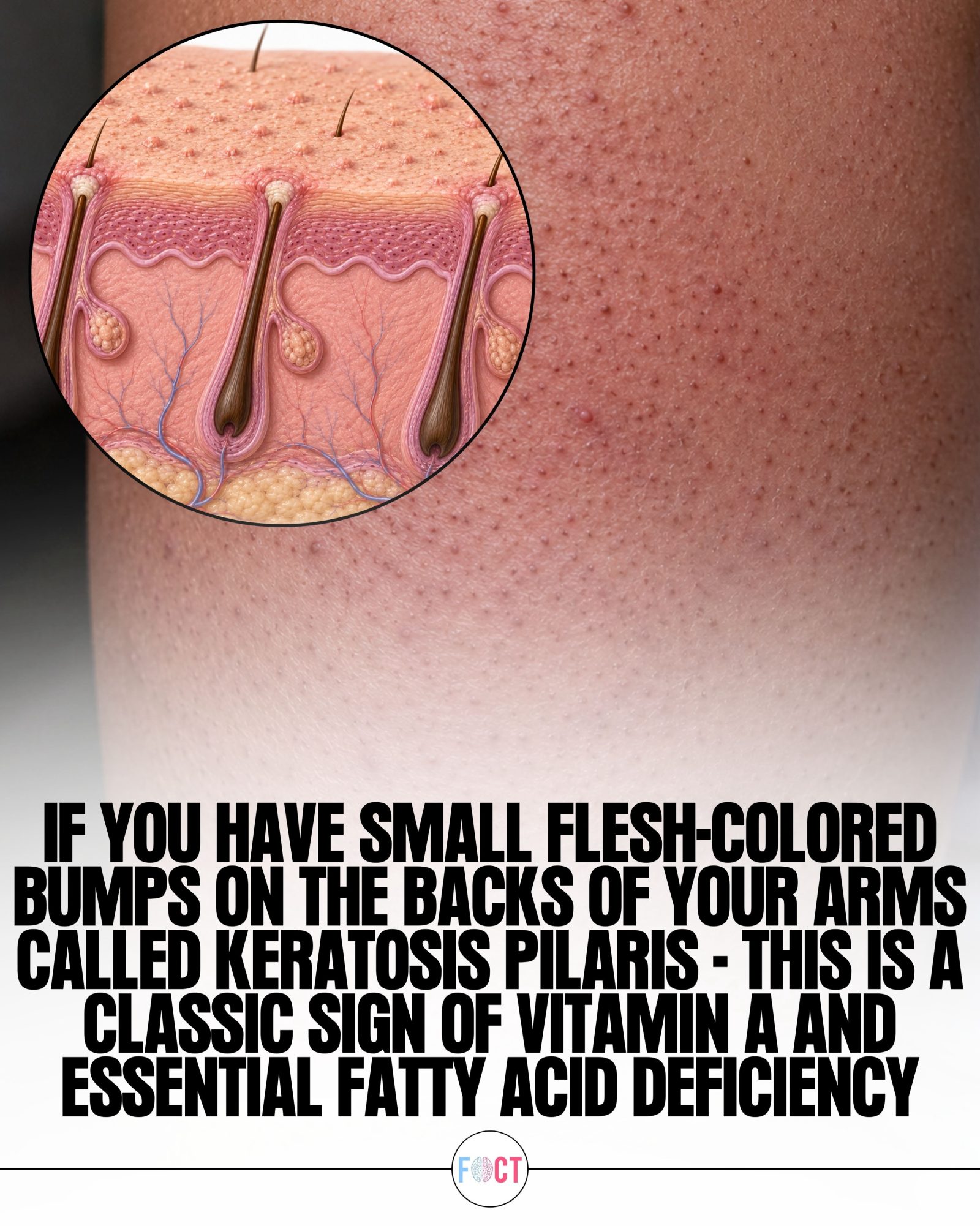
Keratosis Pilaris
Keratosis pilaris is a common skin condition characterized by small, rough bumps, often appearing on the backs of the arms, but also sometimes on the thighs and cheeks. These bumps are typically flesh-colored or slightly red and have a sandpaper-like texture, often mistaken for dry skin. The condition occurs when keratin, a protein that protects the skin, builds up around hair follicles, forming tiny plugs that create this rough, bumpy appearance.
Why this matters
Understanding keratosis pilaris can help individuals better address the underlying causes and manage the condition more effectively. While it is generally considered harmless, knowing the factors that contribute to its development can lead to improved skin health and appearance. This involves recognizing the role of genetics, skin barrier function, and nutritional factors.
Main discussion
What is keratosis pilaris?
Keratosis pilaris is a skin condition that affects many people, particularly those with a family history of the condition. It is not contagious and does not cause any physical discomfort, but it can be a source of cosmetic concern for some. The condition is characterized by small, rough bumps on the skin, which are caused by the buildup of keratin around hair follicles. This buildup creates tiny plugs that give the skin a rough, sandpaper-like texture.
Nutritional factors
Research has shown that keratosis pilaris can be influenced by nutritional factors, particularly vitamin A and essential fatty acids. Vitamin A is crucial for maintaining healthy skin cell turnover, while essential fatty acids help maintain the skin’s protective barrier and keep it properly moisturized. Deficiencies in these nutrients can contribute to the development of rough, bumpy skin.
Inadequate intake of vitamin A can affect the regulation of skin cell growth and shedding, leading to the buildup of keratin and the formation of the characteristic bumps. Essential fatty acids, such as omega-3s, play a role in reducing dryness and supporting healthy skin structure. Ensuring a balanced diet rich in these nutrients can help improve the condition.
The role of genetics and skin barrier function
Genetics play a significant role in the development of keratosis pilaris. The condition tends to run in families, indicating a genetic predisposition. Additionally, skin barrier function is another important factor. A compromised skin barrier can lead to increased water loss and a buildup of keratin, exacerbating the condition.
Dermatologists often view keratosis pilaris as a benign condition, but addressing underlying nutritional needs, skin hydration, and barrier health can sometimes improve its appearance. This holistic approach can lead to smoother, healthier-looking skin.
Practical tips
Incorporate vitamin A-rich foods
Incorporating foods rich in vitamin A into your diet can help address the underlying nutritional factors contributing to keratosis pilaris. Foods such as sweet potatoes, carrots, egg yolks, and liver are excellent sources of vitamin A. Aim to include these in your meals regularly to support healthy skin cell turnover.
Include omega-3-rich foods
Essential fatty acids, particularly omega-3s, are crucial for maintaining a healthy skin barrier and reducing dryness. Include foods like salmon, sardines, flaxseeds, and walnuts in your diet. These foods can help support the skin’s protective barrier and improve overall skin health.
Moisturize consistently
Consistent moisturizing is essential for managing keratosis pilaris. Use a gentle, fragrance-free moisturizer to keep the skin hydrated. Apply moisturizer after bathing or showering to lock in moisture and help reduce the appearance of bumps over time.
Gentle exfoliation
Gentle exfoliation can help smooth the skin by removing the buildup of keratin. Use a gentle exfoliant or a soft brush to exfoliate the affected areas. However, avoid harsh scrubs or excessive exfoliation, as this can irritate the skin and worsen the condition.
Important takeaways
Keratosis pilaris, while generally harmless, can be managed effectively by addressing underlying nutritional factors, maintaining skin hydration, and improving skin barrier function. Incorporating vitamin A and omega-3-rich foods into the diet, along with consistent moisturizing and gentle exfoliation, can help improve the appearance of the skin and manage the condition more effectively.
Conclusion
Managing keratosis pilaris involves a combination of understanding the condition, addressing nutritional deficiencies, and adopting a skincare routine that promotes healthy skin. By focusing on a balanced diet rich in vitamin A and essential fatty acids, along with consistent moisturizing and gentle exfoliation, individuals can improve the appearance of their skin and achieve healthier, smoother-looking skin. This approach not only targets the cosmetic concerns associated with keratosis pilaris but also promotes overall skin health and well-being.
Questions readers ask
What causes the small, rough bumps associated with Keratosis Pilaris?
Keratosis Pilaris is caused by a buildup of keratin, a protective skin protein, around hair follicles. This accumulation forms tiny plugs that create the characteristic rough, bumpy texture, often mistaken for dry skin. The condition is typically harmless and common, particularly on the backs of the arms, but can also appear on the thighs and cheeks.
Can vitamin deficiencies contribute to Keratosis Pilaris?
Yes, vitamin deficiencies may influence the development of Keratosis Pilaris. While the exact causes are not fully understood, maintaining a balanced diet rich in essential vitamins for skin health, such as vitamins A, C, and D, can help support overall skin well-being and potentially reduce the severity of the condition.
What are the typical signs of Keratosis Pilaris on the arms?
The typical signs of Keratosis Pilaris on the arms include small, flesh-colored or slightly red bumps that have a sandpaper-like texture. These bumps are usually found on the backs of the arms and can sometimes be itchy or irritated. The condition is often misidentified as dry skin or folliculitis.
How can I differentiate Keratosis Pilaris from other skin conditions?
Keratosis Pilaris can be differentiated from other skin conditions by its characteristic appearance and location. The small, rough bumps are typically found on the backs of the arms and may also appear on the thighs and cheeks. Unlike other conditions, these bumps do not cause pain or inflammation and are generally harmless.
Are there any specific vitamins that can help with Keratosis Pilaris?
While there is no specific cure for Keratosis Pilaris, ensuring adequate intake of vitamins that support skin health may help. Vitamins A, C, and D are particularly beneficial for skin health. Incorporating foods rich in these vitamins or considering supplements, under medical supervision, can be part of a holistic approach to managing the condition.
Is Keratosis Pilaris contagious or a sign of poor hygiene?
No, Keratosis Pilaris is not contagious and is not a sign of poor hygiene. It is a common, harmless skin condition that can affect anyone, regardless of their hygiene practices. The condition is often influenced by genetics and may be exacerbated by certain factors like vitamin deficiencies or dry skin.
Recent articles
Fresh deep dives from the latest Reels we unpacked.




Comments
Be the first to comment.