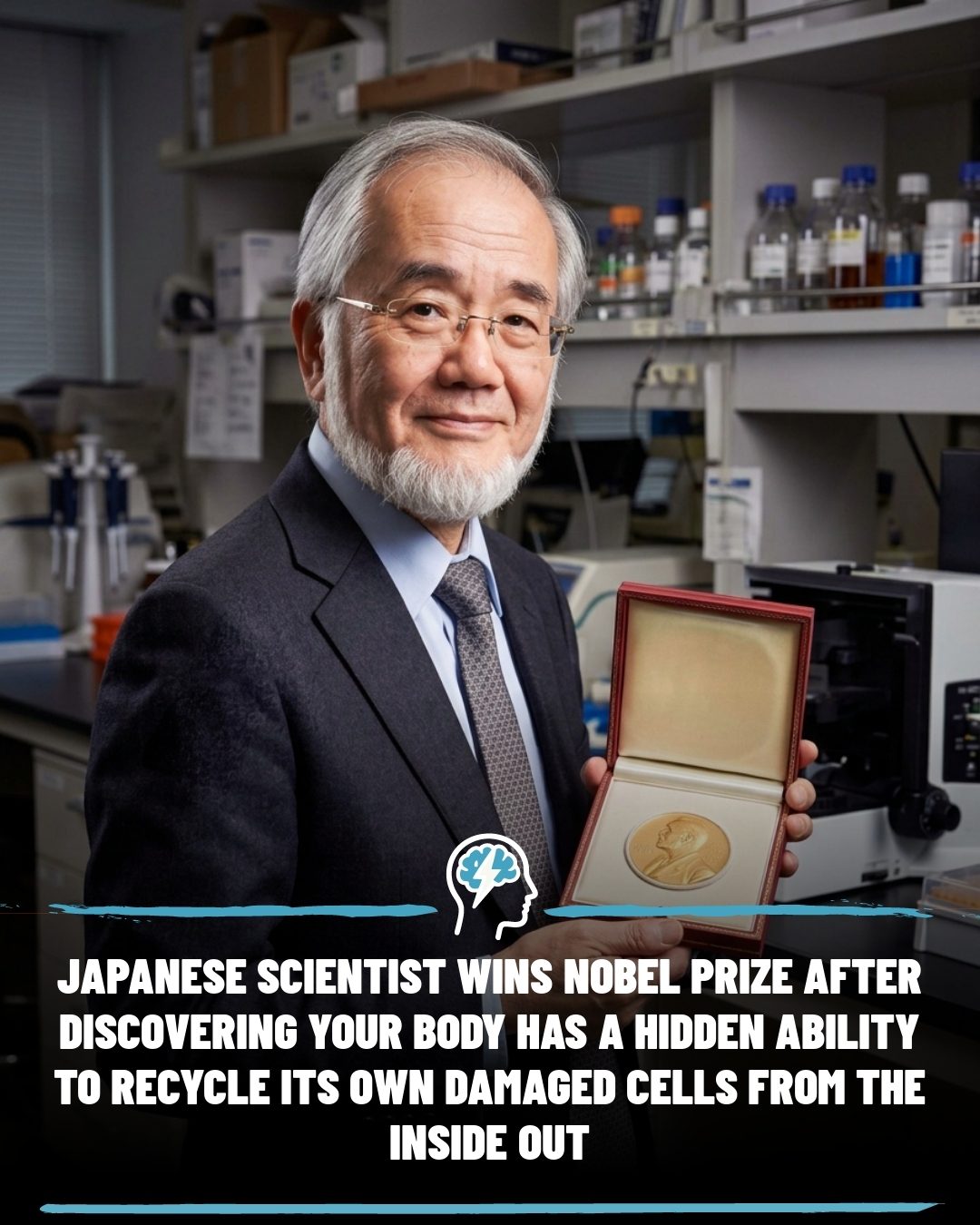
Nobel Prize Discovery: The Body's Hidden Ability to Recycle Cells
The recent Nobel Prize win by Yoshinori Ohsumi, a Japanese cell biologist, has brought to light an extraordinary process within the human body. Ohsumi's groundbreaking work has shed light on how our cells work to clean house at a microscopic level. His discovery has highlighted the process called autophagy, a natural mechanism that helps keep our cells healthy and functional. This discovery has significant implications for disease prevention and overall health.
The Mechanism of Self-Recycling
Autophagy, which translates to "self-eating," is a process that involves the body's cells recycling their own components. When cells experience stress or nutrient deprivation, they identify damaged proteins and other structures that are no longer functional. These parts are then encapsulated in specialized membranes and sent to a recycling center within the cell. Here, the waste breaks down into basic building blocks such as amino acids, which the body can reuse to create new energy or repair other structures.
The Discovery by Yoshinori Ohsumi
Yoshinori Ohsumi’s research earned him the Nobel Prize in Physiology or Medicine. His work delved deep into the intricate machinery behind autophagy, revealing how cells maintain their internal balance. This discovery has not only increased our understanding of cellular processes but also opened new avenues for medical research.
Impact on Disease Prevention
A healthy autophagy cycle plays a crucial role in preventing various illnesses and conditions tied to aging. When this recycling process slows down or fails, toxic cellular waste can accumulate, leading to health complications. Efficient autophagy offers several benefits, including:
- Immune System Support: Autophagy helps neutralize invading bacteria and viruses, bolstering the immune system.
- Brain Protection: It clears out harmful proteins linked to neurodegenerative diseases, protecting brain health.
- Metabolism Regulation: Autophagy aids in regulating metabolism and may slow the effects of aging.
- Cancer Prevention: By eliminating damaged genetic material, autophagy helps prevent the development of cancerous cells.
Activating the Internal Cleanse
While the body performs this maintenance automatically, certain lifestyle choices can trigger or boost autophagy. For example, periods of nutrient deprivation, such as fasting or intense exercise, signal the body to start scavenging for internal resources. This metabolic shift pushes cells to work more efficiently, clearing out old components to make way for new ones.
Researchers are exploring ways to develop new medications and dietary strategies that could enhance autophagy. The goal is to treat metabolic disorders and potentially extend human lifespan by optimizing this natural process.
Practical Tips to Enhance Autophagy
Incorporating specific practices into daily life can help activate and enhance autophagy. Here are some practical tips to consider:
Fasting
Periods of fasting, such as intermittent fasting, can trigger autophagy. By limiting food intake for specific periods, the body is encouraged to recycle its own cells and generate new energy.
Exercise
Intense exercise can also activate autophagy. High-intensity workouts create a state of stress in the body, prompting cells to recycle their components and repair themselves.
Nutrient-Rich Diet
Consuming a diet rich in antioxidants and other nutrients can support overall cell health and support autophagy. Foods like berries, leafy greens, and whole grains are particularly beneficial.
Stress Management
Managing stress through practices like meditation, yoga, and deep breathing can help maintain a healthy cellular environment, making it easier for autophagy to occur.
Adequate Sleep
Getting enough sleep is crucial for overall health and supports the body's natural processes, including autophagy. Aim for 7-9 hours of quality sleep each night to maintain optimal cellular function.
Important Takeaways
The discovery of autophagy and its role in cellular maintenance has significant implications for human health. By understanding and supporting this natural process, we can potentially prevent age-related diseases and improve overall well-being. Lifestyle choices such as fasting, exercise, and adequate sleep can enhance autophagy, while ongoing research is exploring new ways to optimize this process for medical benefits.
Conclusion
The Nobel Prize-winning discovery of autophagy by Yoshinori Ohsumi has unraveled a fascinating mechanism within our cells. This process, which involves the recycling of cellular components, is vital for maintaining cellular health and preventing diseases. By making informed lifestyle choices and staying abreast of scientific advancements, we can harness the power of autophagy to support our overall health and longevity. As research continues to uncover more about this incredible process, the future of disease prevention and treatment looks promising.
Questions readers ask
What is autophagy and why is it important?
Autophagy is a natural cellular process where cells recycle their own components to maintain health and functionality. It is important because it helps cells clean out damaged proteins and other structures, promoting overall health and potentially preventing diseases.
Who won the Nobel Prize 2023 in Medicine and what was the discovery?
Yoshinori Ohsumi, a Japanese cell biologist, won the Nobel Prize in 2023 for his discovery of autophagy. His work highlighted the process by which cells recycle their own components to stay healthy and functional.
What does the term 'autophagy' mean and how does it work?
The term 'autophagy' translates to 'self-eating.' This process involves cells identifying and breaking down their own damaged components during stress or nutrient deprivation, which aids in cell maintenance and overall health.
How does autophagy contribute to disease prevention?
Autophagy contributes to disease prevention by helping cells remove damaged proteins and other structures that could otherwise accumulate and cause harm. This cellular housekeeping process supports overall health and may reduce the risk of various diseases.
What are the implications of Yoshinori Ohsumi's discovery for overall health?
Yoshinori Ohsumi's discovery of autophagy has significant implications for overall health. By understanding and potentially enhancing this natural cell recycling mechanism, we might be able to promote healthier cells and better prevent diseases.
What inspired Yoshinori Ohsumi to study cell recycling mechanisms?
Yoshinori Ohsumi, the Nobel laureate, was inspired to study cell recycling mechanisms by his curiosity about how cells maintain their health and functionality. His pioneering work has provided valuable insights into the intricate processes that keep our cells in optimal condition.
What are some of the key mechanisms involved in autophagy?
The key mechanisms involved in autophagy include the identification of damaged cellular components, the formation of autophagosomes to engulf these components, and the subsequent degradation and recycling of the engulfed materials. These steps ensure that cells can efficiently maintain their health and functionality.
Related deep dives
Similar reads based on topic and creator.




Recent articles
Fresh deep dives from the latest Reels we unpacked.




Comments
Be the first to comment.