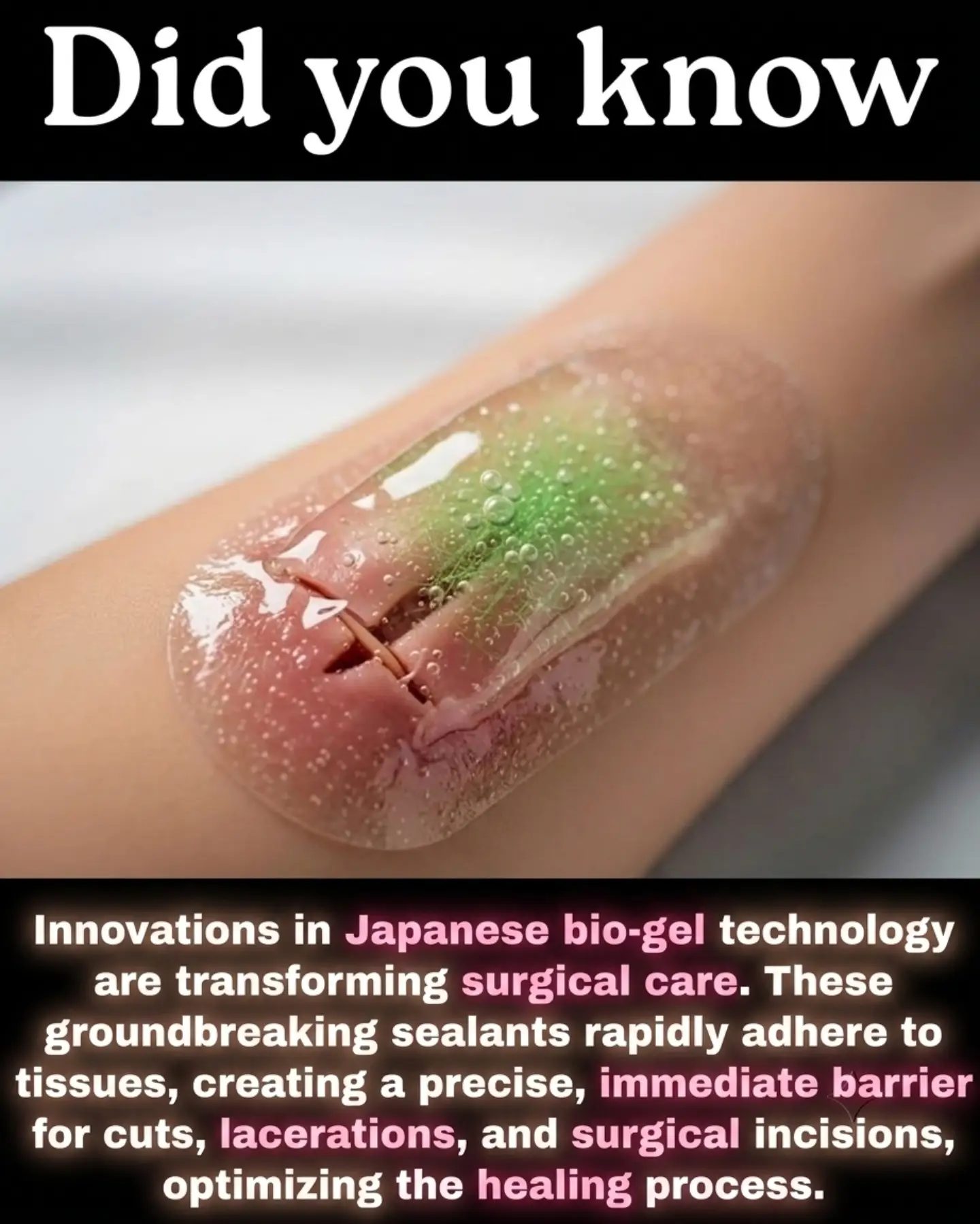
Japanese Bio-gel Technology: A Game Changer in Surgical Care
Japanese bio-gel technology is revolutionizing the field of surgical care, offering a groundbreaking solution for sealing and protecting tissues. This innovative technology is designed to rapidly adhere to tissues, creating an immediate and precise barrier for cuts, lacerations, and surgical incisions. This capability optimizes the healing process, making it an invaluable tool in modern medical practices.
Why This Matters
Bio-gels have become increasingly important in surgical settings due to their ability to provide rapid and effective sealing of wounds. Traditional methods of wound closure, such as sutures and staples, can be time-consuming and may not always provide the same level of precision and protection as bio-gels. This technology not only enhances the efficiency of surgical procedures but also improves patient outcomes by reducing the risk of infection and speeding up recovery times.
Main Discussion
The Science Behind Bio-gels
Bio-gels are advanced materials that combine the properties of hydrogels with biological components. They are designed to mimic the natural extracellular matrix of tissues, allowing them to adhere seamlessly to various types of tissue. This adhesion is what enables the gel to create a precise and immediate barrier, effectively sealing the wound and preventing further damage.
Rapid Adhesion and Wound Sealing
One of the most notable features of Japanese bio-gel technology is its rapid adhesion. Unlike traditional sealants that may take time to set, bio-gels can adhere to tissues almost instantly. This rapid adhesion is crucial in surgical settings where every second counts. For instance, in emergency surgeries, the ability to quickly seal a wound can significantly improve the chances of a successful outcome.
Optimizing the Healing Process
In addition to their sealing capabilities, bio-gels also play a role in optimizing the healing process. By creating a barrier that protects the wound from external contaminants, bio-gels help to reduce the risk of infection. This protective layer also provides a moist environment that promotes tissue regeneration and speeds up the healing process. The combination of these benefits makes bio-gels an ideal choice for surgical procedures.
Applications in Surgical Care
Bio-gels are being used in a variety of surgical procedures, from minor lacerations to complex surgeries. Their versatility and effectiveness make them suitable for a range of applications, including:
- Minor Lacerations and Cuts: Bio-gels can quickly seal minor wounds, reducing the need for traditional sutures or staples.
- Surgical Incisions: The ability to create a precise barrier makes bio-gels particularly useful in surgical incisions, where a strong seal is required to prevent leakage and infection.
- Trauma Care: In emergency situations, bio-gels can be applied rapidly to control bleeding and provide immediate protection to injured tissues.
Benefits for Patients and Surgeons
For patients, the use of bio-gels can result in faster recovery times and reduced discomfort. The immediate sealing of wounds minimizes the risk of complications such as infection, and the natural adhesion properties of bio-gels ensure that the healing process is smooth and efficient.
For surgeons, bio-gels offer a reliable and efficient tool for wound management. The rapid adhesion and precise sealing capabilities of bio-gels reduce the time needed to close wounds, allowing surgeons to focus on other critical aspects of the procedure.
Practical Tips
Choosing the Right Bio-gel
When selecting a bio-gel for surgical use, it is important to consider factors such as adhesion strength, biocompatibility, and ease of application. Look for products that are designed specifically for the type of tissue you will be working with and ensure that they meet the necessary regulatory standards.
Proper Application Techniques
Proper application of bio-gels is crucial for achieving the best results. Here are some tips for effective application:
- Prepare the Wound: Ensure that the wound area is clean and free of contaminants before applying the bio-gel.
- Apply Evenly: Use a steady hand to apply the bio-gel evenly across the wound. This will help to create a uniform barrier and ensure optimal adhesion.
- Allow to Set: Follow the manufacturer's instructions for setting times. Allow the bio-gel to fully adhere before moving or manipulating the wound area.
Post-Operative Care
Post-operative care is also important for ensuring the best outcomes when using bio-gels. Follow standard wound care practices, such as keeping the area clean and checking for signs of infection. Monitor the patient closely for any adverse reactions and provide support as needed.
Important Takeaways
Overall, Japanese bio-gel technology represents a significant advancement in surgical care. The ability to rapidly adhere to tissues and create a precise barrier makes bio-gels an invaluable tool in a variety of surgical procedures. By optimizing the healing process and reducing the risk of complications, bio-gels can improve patient outcomes and enhance the efficiency of surgical care.
Conclusion
The use of bio-gels in surgical care is a testament to the power of innovation in medical technology. As this technology continues to evolve, we can expect to see even more advanced applications and benefits. Whether you are a surgeon looking to improve your wound management techniques or a patient seeking the best possible care, bio-gels offer a promising solution.
Questions readers ask
What makes Japanese bio-gel technology superior to traditional wound closure methods?
Japanese bio-gel technology offers several advantages, including rapid adhesion, precise tissue sealing, and immediate protection against infection. Unlike sutures and staples, bio-gels provide a seamless barrier that stops bleeding and shields wounds from external contaminants, promoting faster and more effective healing.
How does Japanese bio-gel technology enhance patient outcomes?
By providing immediate and precise tissue sealing, bio-gels reduce the risk of infection and minimize tissue damage, leading to faster recovery times. This technology also decreases the need for repeat procedures, enhancing overall patient satisfaction and health.
Can Japanese bio-gel be used on all types of surgical wounds?
Japanese bio-gel is highly versatile and can be used on a wide range of surgical wounds, including cuts, lacerations, and incisions. It is particularly effective in areas where traditional sutures or staples may be difficult to apply, such as on irregular surfaces or in areas with high mobility.
How quickly does Japanese bio-gel adhere to tissues?
One of the key benefits of Japanese bio-gel technology is its rapid adhesion properties. It can adhere to tissues almost instantly upon application, forming a strong, protective barrier that seals the wound and promotes healing.
What are the potential risks associated with using Japanese bio-gel technology?
While Japanese bio-gel technology is generally safe and effective, potential risks may include allergic reactions in sensitive individuals. It's important for medical professionals to assess each patient's suitability for bio-gel treatment and monitor for any adverse reactions during and after application.
Is Japanese bio-gel technology widely available in surgical settings?
The availability of Japanese bio-gel technology in surgical settings is growing as more medical professionals recognize its benefits. It is increasingly being adopted in hospitals and clinics worldwide, particularly in procedures where precise tissue sealing and rapid wound closure are critical.
How does Japanese bio-gel technology contribute to advancements in modern surgical care?
Japanese bio-gel technology represents a significant advancement in surgical care by offering a more efficient and effective method for wound closure. Its ability to provide immediate protection and reduce infection risks aligns with the broader goals of modern surgical practices, which prioritize patient safety, faster recovery, and improved outcomes.
Related deep dives
Similar reads based on topic and creator.




Recent articles
Fresh deep dives from the latest Reels we unpacked.




Comments
Be the first to comment.