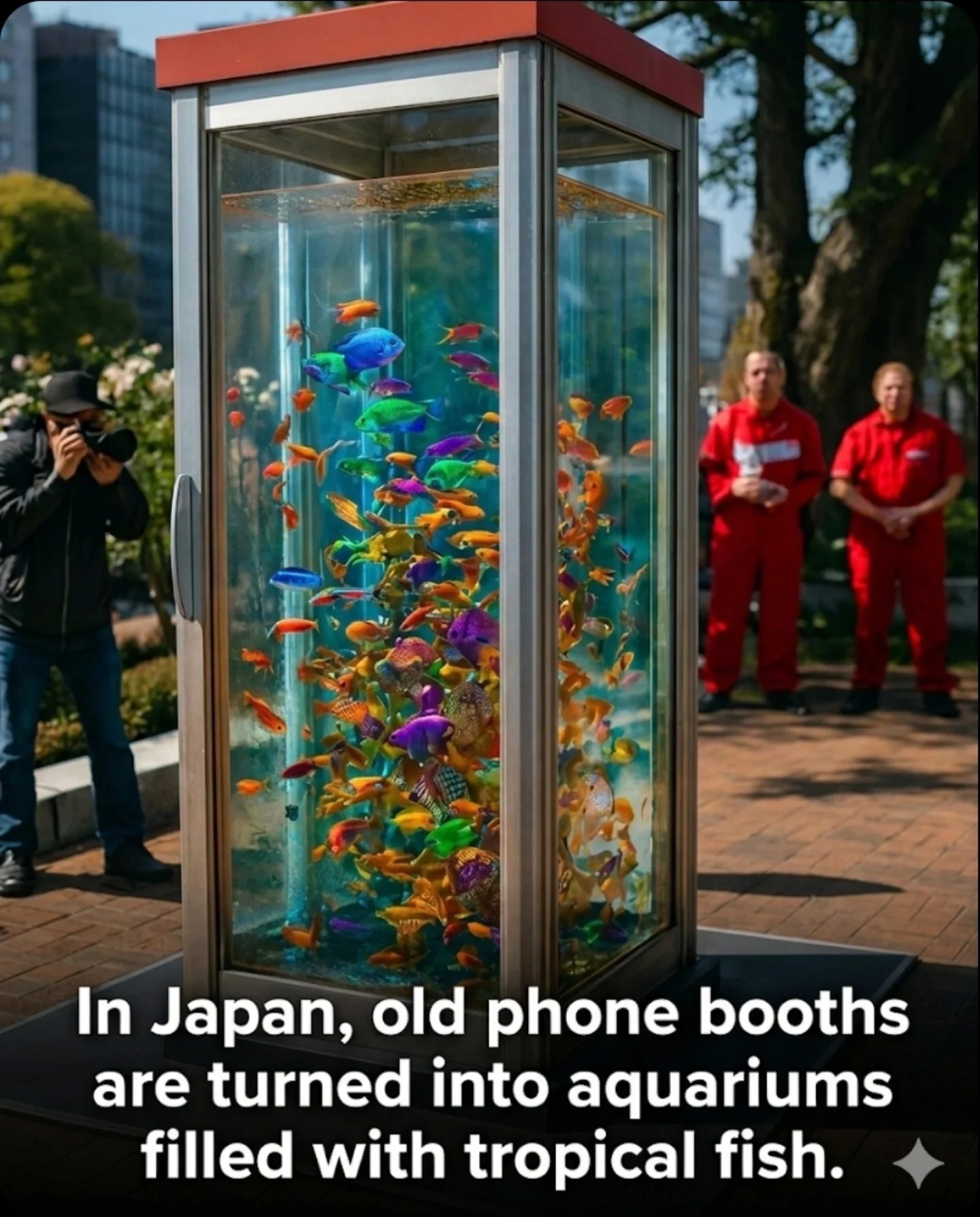
Aquarium Phone Booths: A Unique Art Installation in Japan
Old phone booths transformed into aquariums filled with tropical fish may seem like a whimsical idea, but this was a real art installation in Yamatokoriyama, Japan.
Yamatokoriyama, known as Japan’s "goldfish capital," is home to the "Goldfish Phone Booth" installation. This creative project was the brainchild of the art collective Kingyobu. The installation transformed old, obsolete phone booths into vibrant aquariums, breathing new life into these urban fixtures. The choice of goldfish over tropical fish was not arbitrary. Goldfish hold a special cultural significance in Japan, symbolizing luck and good fortune. Additionally, goldfish are more hardy and better suited to survive the outdoor temperatures in Yamatokoriyama.
Why This Matters
The artistic transformation of everyday objects into something unexpected and captivating is a powerful way to spark conversation and engagement. For a city like Yamatokoriyama, which takes pride in its goldfish heritage, these booths served as a unique symbol of the city's identity. The installation not only highlighted the cultural importance of goldfish but also addressed the practical issue of repurposing outdated urban infrastructure. This kind of initiative can inspire cities worldwide to think creatively about urban renewal and public art.
The Art Installation
Concept and Design
The "Goldfish Phone Booth" installation showcased a brilliant blend of creativity and functionality. The booths, once used for public telephone calls, were converted into transparent enclosures filled with water and goldfish. This transformation turned ordinary, often overlooked urban fixtures into vibrant and engaging art pieces. The installations were placed in outdoor settings, inviting passersby to pause and observe the serene and visually striking scenes.
Cultural Significance
Yamatokoriyama, known for its goldfish breeding and trade, has a rich cultural history with these aquatic creatures. Goldfish are more than just pets; they are symbols of good fortune and prosperity. By using goldfish in the phone booths, the installation not only showcased the city's goldfish heritage but also brought a sense of good luck to the people who encountered it.
Challenges and Maintenance
While the "Goldfish Phone Booth" installation was a hit with the public, it faced significant challenges. Maintenance costs and copyright issues led to the removal of most of these installations. However, the concept lives on in high-tech versions at Tokyo's Art Aquarium museum. These high-tech installations offer a more sustainable and environmentally friendly way to enjoy the art while reducing maintenance concerns.
Practical Tips for Creating Similar Installations
Reusing old urban objects and transforming them into art installations can be a fun and creative project. Here are some practical tips for anyone interested in similar initiatives:
-
Start with an Ideal Location: Choose a location that has historical or cultural significance. This will make the installation more meaningful and engaging for the audience.
-
Consider the Environment: Ensure that the chosen objects and the new elements (like fish) can withstand the environmental conditions. For instance, goldfish were chosen for their ability to endure outdoor temperatures.
-
Engage the Community: Involve the local community in the planning and execution of the project. This will not only make the installation more relevant but also foster a sense of ownership and pride among the residents.
-
Think Long-Term: Plan for the long-term maintenance and sustainability of the installation. High-tech solutions can help reduce maintenance costs and environmental impact.
Important Takeaways
Engaging Public Art
Art installations that transform everyday objects into something extraordinary can captivate audiences and spark conversation. The "Goldfish Phone Booth" installation in Yamatokoriyama is a great example of how public art can engage people and bring communities together.
Repurposing Urban Infrastructure
Repurposing old, obsolete urban objects into new, functional, and visually appealing elements can be a cost-effective and creative way to renew public spaces. This not only reduces waste but also adds value to urban landscapes.
Cultural and Environmental Considerations
When planning such installations, it's crucial to consider cultural and environmental factors. Choosing elements that have cultural significance and are environmentally friendly can enhance the impact and longevity of the installation.
Conclusion
The "Goldfish Phone Booth" installation in Yamatokoriyama is a testament to the power of creativity and innovation. By transforming old phone booths into vibrant aquariums filled with goldfish, the art collective Kingyobu created a unique and engaging public art piece that highlighted the city's cultural heritage. Although most of these installations have been removed, the concept continues to inspire similar projects, reminding us of the potential to repurpose urban infrastructure and create meaningful public art.
Questions readers ask
What inspired the goldfish phone booth installation in Yamatokoriyama, Japan?
The inspiration behind the goldfish phone booth installation was twofold. Firstly, it aimed to honor Yamatokoriyama's reputation as Japan's 'goldfish capital'. Secondly, it tackled the practical concern of reusing outdated urban infrastructure, specifically old phone booths, in a creative and beneficial way.
Why were goldfish chosen for the phone booth aquariums instead of other types of fish?
Goldfish were chosen for their cultural significance in Japan, where they are seen as symbols of luck and good fortune. Moreover, goldfish are more resilient and can endure the outdoor temperatures in Yamatokoriyama better than tropical fish.
Who was responsible for creating the goldfish phone booth installation?
The goldfish phone booth installation was created by an art collective known as Kingyobu. This collective is known for its innovative and thought-provoking public art projects.
What is the primary goal of the Yamatokoriyama art installation?
The primary goal of the Yamatokoriyama art installation is to celebrate the city's goldfish heritage while also addressing the issue of repurposing outdated urban infrastructure. By transforming old phone booths into aquariums, the installation serves as a testament to creativity and sustainability.
How did the goldfish phone booth installation contribute to the community and its urban landscape?
The goldfish phone booth installation contributed to the community by infusing the urban landscape with vibrant, engaging art. The installation turned obsolete phone booths into lively aquariums, enhancing the visual appeal of the city and providing a unique attraction for both locals and visitors.
What can be learned from the way old phone booths were repurposed in Yamatokoriyama?
The repurposing of old phone booths in Yamatokoriyama demonstrates the potential for creative reuse of outdated urban infrastructure. This approach not only prevents waste but also enriches the community with engaging and culturally significant art.
Are there any similar art installations in other parts of Japan that repurpose old phone booths?
While the goldfish phone booth installation in Yamatokoriyama is unique in its specific design and cultural context, Japan is known for various creative and innovative public art installations. Other cities in Japan may have their own unique initiatives to repurpose urban infrastructure, reflecting the country's rich tradition of blending art and functionality.
Related deep dives
Similar reads based on topic and creator.




Recent articles
Fresh deep dives from the latest Reels we unpacked.



Comments
Be the first to comment.