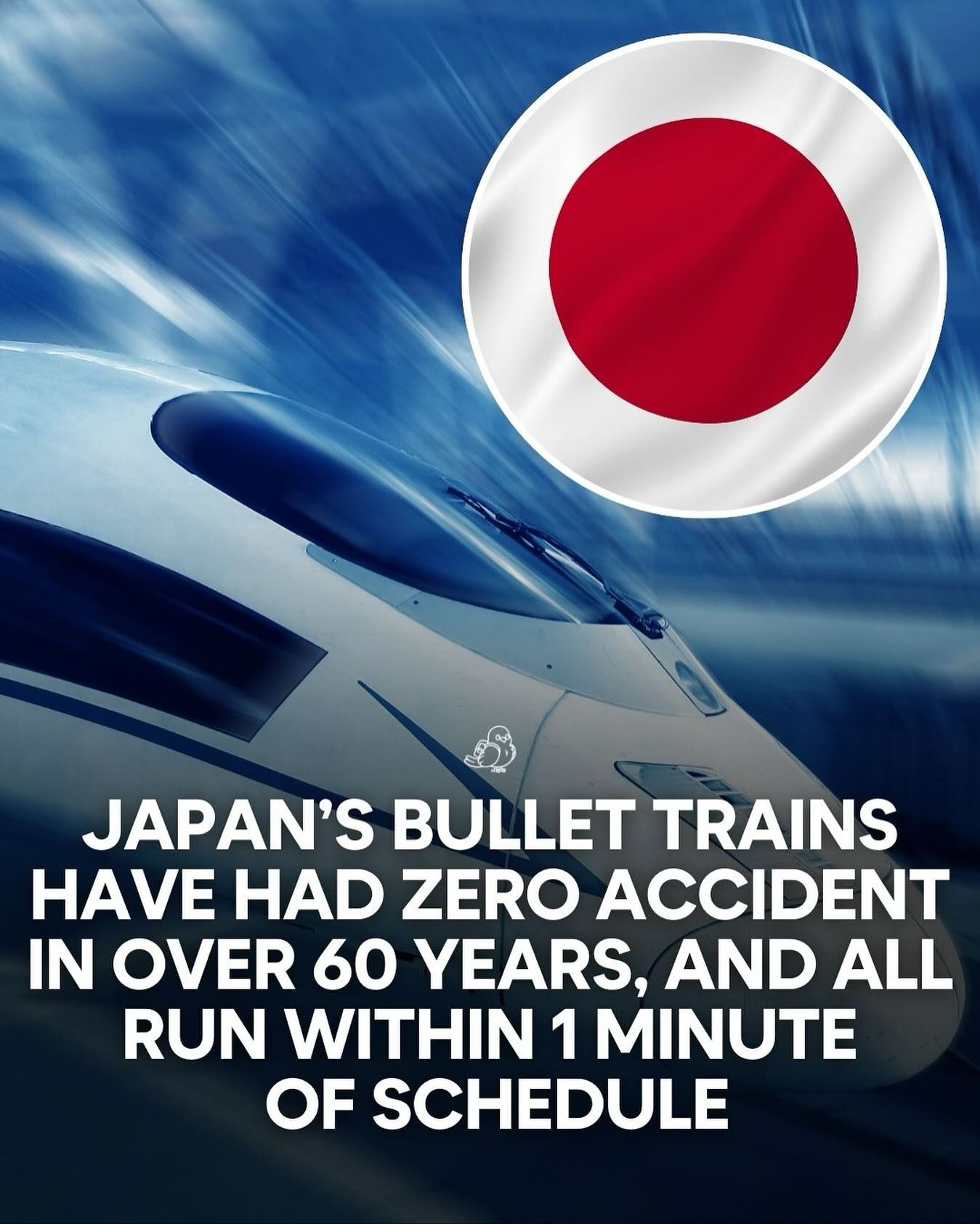
Japan’s Bullet Trains: A Symbol of Precision and Safety
Japan’s Shinkansen, famously known as the bullet train, is more than just a mode of transportation; it’s a marvel of engineering and a testament to Japanese innovation. These trains have been carrying passengers across Japan at extraordinary speeds for over six decades, and remarkably, they have maintained a flawless safety record. This is not just about speed—it’s about precision, reliability, and an unparalleled commitment to excellence.
Context / Why this matters
The Shinkansen is more than a means of transport; it’s a symbol of Japanese excellence. These trains, which first began operation in 1964, have revolutionized high-speed rail travel. With speeds reaching up to 300 km/h, the Shinkansen has transformed the way millions of people commute and travel within Japan. Understanding the Shinkansen’s history, technology, and operations offers insights into Japan's commitment to innovation and public safety.
The History and Evolution of Japan’s Bullet Trains
The story of the Shinkansen began with the 1964 Tokyo Olympics. To accommodate the influx of visitors, Japan needed a reliable and efficient way to transport people quickly across long distances. The Shinkansen was born out of this need, connecting Tokyo to Osaka in just over two hours. Since then, the network has expanded significantly, linking major cities and smaller towns, making it easier for people to travel within Japan.
The early Shinkansen models were designed to maximize speed and minimize travel time. Over the years, improvements in technology and safety measures have made the Shinkansen one of the most reliable and punctual train services in the world. Today, the Shinkansen network spans over 2,700 kilometers, connecting most of Japan's major cities and contributing significantly to the country's economy.
The Technology Behind the Shinkansen
The Shinkansen's remarkable performance is underpinned by cutting-edge technology. Let's delve into some key aspects:
Streamlined Design
The Shinkansen’s aerodynamic design reduces air resistance, allowing it to achieve high speeds while maintaining fuel efficiency. The trains are built with a pointed nose that helps to minimize noise levels and air turbulence. This design ensures that the train can glide through tunnels and over bridges, maintaining its high speed even in challenging terrain.
High-Speed Wheels and Tracks
The train's wheels are designed to withstand high speeds and provide a smooth ride. The tracks are made with precision and are continuously maintained to ensure they remain smooth and level. This meticulous maintenance ensures minimal vibrations and a quieter, more comfortable journey for passengers.
Advanced Safety Systems
The Shinkansen employs several advanced safety systems that ensure a safe journey. Automatic Train Protection (ATP) and Automatic Train Stop (ATS) systems work together to monitor the speed of the train and automatically apply brakes if necessary. These systems are crucial in preventing accidents and ensuring passenger safety.
Earthquake-Resilient Infrastructure
Japan is prone to earthquakes, and the Shinkansen network is designed to withstand seismic activity. The trains are built with earthquake-resistant features, such as shock absorbers and flexible tracks, which can withstand significant ground movement. In case of an earthquake, the trains can come to a safe stop, protecting passengers and preventing derailments.
The Operational Success of the Shinkansen
The operational success of the Shinkansen lies in its relentless adherence to schedules. The trains are known to arrive and depart within one minute of schedule, even in a country where hundreds of them run daily. This precision is achieved through a combination of meticulous planning and advanced technology.
Timely Maintenance
The Shinkansen undergoes regular maintenance to ensure that every part of the train and track is in perfect working condition. This includes routine checks and more extensive overhauls, ensuring that the trains remain reliable and efficient.
Efficient Staff Training
The staff operating the Shinkansen are highly trained and skilled. Conductors, engineers, and maintenance crews undergo rigorous training to ensure that they can handle any situation that arises. This commitment to excellence ensures that the Shinkansen operates smoothly and safely.
Real-Time Monitoring
The Shinkansen network is equipped with real-time monitoring systems that track the performance of each train. These systems provide up-to-date information on the train’s speed, location, and any potential issues, allowing for quick and effective intervention.
Practical Tips for Traveling on the Shinkansen
For travelers intending to experience the Shinkansen, here are some practical tips:
Buying Tickets
Tickets for the Shinkansen can be purchased at ticket counters, ticket machines, or online. If you plan to travel extensively, consider getting a Japan Rail (JR) Pass, which offers unlimited travel on JR trains, buses, and ferries for a set period.
Choosing Seats
The Shinkansen offers different classes of service, such as Ordinary, Green, and Gran Class. Ordinary class is the most affordable, while Green Class offers more spacious seating. Gran Class is the premier option, providing the most luxurious experience.
Luggage and Comfort
The Shinkansen allows passengers to bring luggage on board. However, be mindful of the space and avoid blocking aisles or other passengers’ seats. For a comfortable journey, pack light, and choose a seat with ample legroom.
Onboard Amenities
The Shinkansen is equipped with various amenities, including restrooms, vending machines, and power outlets. Many trains also offer Wi-Fi and onboard dining options, making your journey more enjoyable.
Important Takeaways
The Shinkansen is a marvel of modern engineering and a symbol of Japanese innovation. It represents a commitment to safety, precision, and reliability. Traveling on the Shinkansen offers more than just a means of transport—it's an experience of trust, safety, and Japanese excellence at its finest. If you’re planning a trip to Japan, riding the Shinkansen is something to add to your travel bucket list.
Conclusion
Japan’s Shinkansen trains are more than just high-speed trains; they are a testament to human ingenuity and a benchmark for public transportation globally. Their flawless safety record, punctuality, and advanced technology make them an exemplary model for other countries. Whether you’re a seasoned traveler or a first-time visitor, the Shinkansen offers a unique and unforgettable journey through the heart of Japan.
Questions readers ask
How have Japan's bullet trains maintained a flawless safety record?
Japan's bullet trains, or Shinkansen, have maintained a perfect safety record through rigorous maintenance, advanced safety protocols and comprehensive driver training. The trains' design includes features like earthquake-resistant structures and automated safety systems, which contribute significantly to their safety.
What makes the Shinkansen trains different from other high-speed trains?
The Shinkansen trains stand out due to their exceptional precision, speed, and safety. They reach speeds up to 300 km/h and have a flawless safety record, thanks to cutting-edge engineering and stringent safety measures. Additionally, their punctuality is renowned, often departing and arriving on time to the second.
What is the maximum speed of the Shinkansen bullet trains?
The maximum speed of the Shinkansen bullet trains is 300 km/h. This high speed allows for efficient travel across the extensive distances in Japan, making it a preferred mode of transport for many commuters and tourists alike.
How do the Shinkansen trains ensure reliability and precision in their schedules?
Shinkansen trains ensure reliability and precision through meticulous maintenance, advanced scheduling technology, and driver expertise. They follow a strict timetable, often arriving and departing within seconds of the scheduled time, contributing to their reputation for punctuality.
What kind of impact have the Shinkansen trains had on travel in Japan?
The Shinkansen trains have revolutionized travel in Japan by providing a fast, reliable, and safe mode of transport. They have significantly reduced travel times, making it easier for people to commute long distances for work or leisure, and have become a symbol of Japanese efficiency and innovation.
What are some of the key features of the Shinkansen trains?
Key features of the Shinkansen trains include their streamlined design for reducing air resistance, advanced braking systems for quick stops, and earthquake-resistant structures. Additionally, the trains are equipped with automated safety systems, including sensors and cameras, to enhance safety.
Related deep dives
Similar reads based on topic and creator.




Recent articles
Fresh deep dives from the latest Reels we unpacked.




Comments
Be the first to comment.