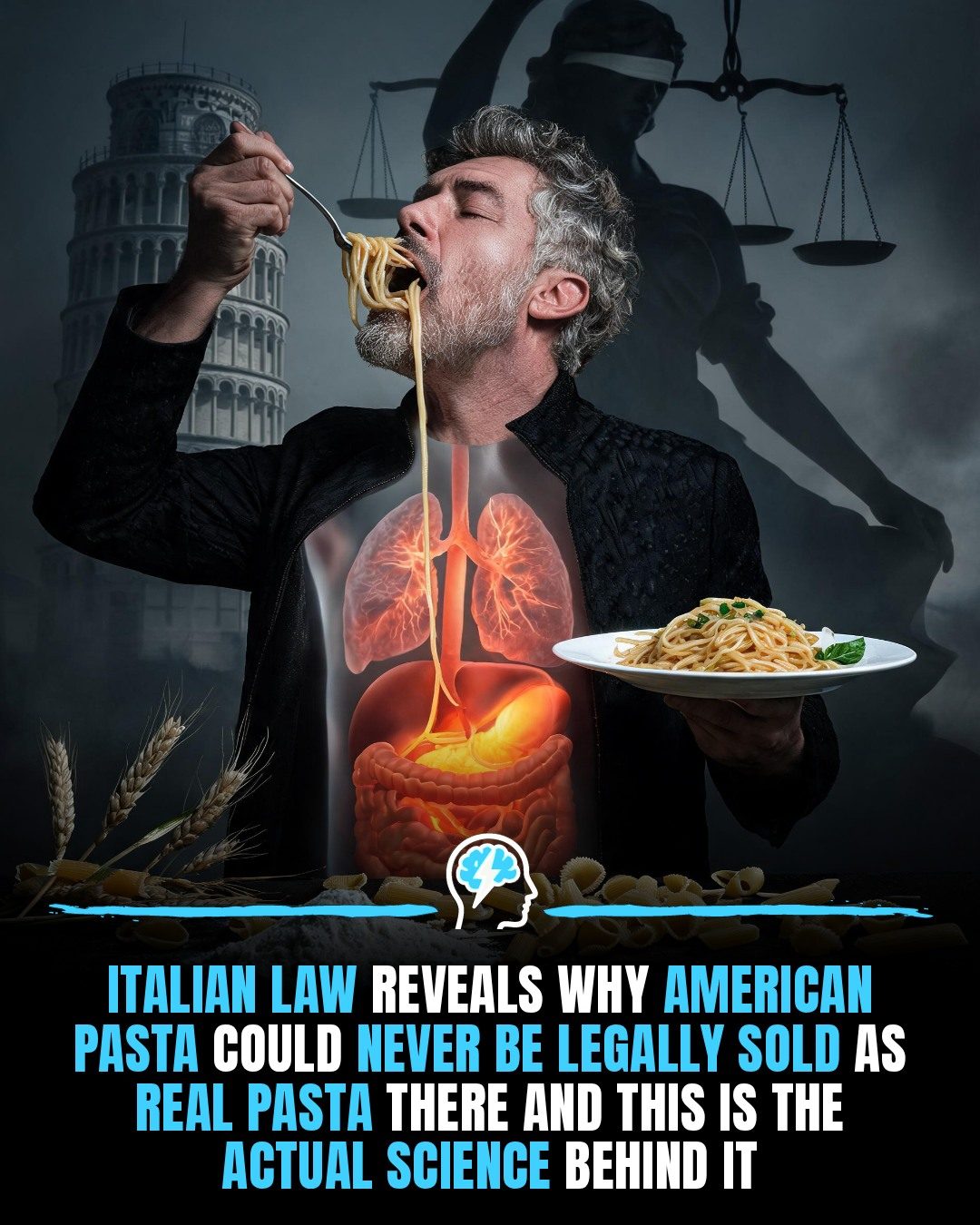
Italian Pasta Law
Italian pasta is held to high legal and nutritional standards. To understand why American pasta can't be legally sold as "real" pasta in Italy, we need to delve into a 1967 purity law that dictates the ingredients for dry pasta meant for Italy's domestic market. This law specifies that such pasta can only contain durum wheat semolina and water. Any addition of soft wheat, which is commonly used in American brands for its lower cost, mandates a different labeling.
Why This Matters
The distinction isn't just about labeling; it's about the nutritional and culinary differences between durum and soft wheat. Durum wheat mills into semolina, a coarse, high-protein flour with a strong gluten structure. This type of flour is ideal for pasta because it holds its shape well during boiling, retains its texture, and has a lower glycemic index, which means it breaks down more slowly in the body, leading to fewer insulin spikes. In contrast, soft wheat, often used in American pasta and baked goods, does not offer the same nutritional benefits.
Understanding the Science
The difference between durum and soft wheat isn't just about taste and texture; it's about how these grains are processed and utilized by the body. Here are some key points to consider:
The Grain Makes the Difference
Durum wheat is a type of wheat that produces a hard, amber-colored kernel. It is high in protein, specifically glutenin and gliadin, which combine to form gluten. Gluten gives pasta its elasticity and helps it retain its shape during cooking. The milling process of durum wheat results in semolina, a coarse flour with a strong gluten network.
Soft wheat, on the other hand, is milled into flour that is finer and has a lower protein content. This type of wheat is commonly used in baked goods because it lends a softer texture to bread and pasta. However, it lacks the robust gluten structure of durum wheat, which affects both the cooking process and the nutritional value.
Nutritional Benefits of Durum Wheat
Durum wheat pasta offers several nutritional advantages:
- More Protein and Fiber: Durum wheat has a higher protein and fiber content, which makes it more filling and aides in better digestion.
- Lower Glycemic Index: The glycemic index measures how quickly carbohydrates are broken down into glucose and absorbed into the bloodstream. Durum wheat pasta has a lower glycemic index, which means it is absorbed more slowly, leading to a more stable blood sugar level and fewer insulin spikes.
- Holds Its Shape: Durum wheat pasta holds its shape well during cooking, which preserves the al dente texture, making it easier to digest.
The Al Dente Secret
Ever notice that you can eat a large plate of pasta in Italy and not feel weighed down afterward? This is partly due to the type of wheat used and the cooking technique. Al dente pasta, which is cooked to retain a slight bite, keeps starch granules from fully breaking down. This slower absorption means fewer insulin spikes, which are linked to feelings of fatigue and weight gain.
Cooking and Digestibility
The cooking technique also plays a significant role. Italians often cook pasta al dente, meaning it has a slight bite to it. This ensures that the starches in the pasta do not fully break down, which slows the absorption of carbohydrates and helps maintain stable blood sugar levels. Another factor is the fewer additives and preservatives. Italian pasta typically has a shorter ingredient list and undergoes stricter quality control, making it easier for the body to process.
Additives and Preservatives
Italian pasta often has fewer additives and preservatives, which makes it a healthier choice. The strict quality standards ensure that the pasta is made with natural ingredients, reducing the risk of adverse reactions and improving overall digestibility.
Farming and Processing Standards
Italy's farming and processing standards for pasta are stringent, ensuring that the final product is of high quality. This includes everything from the type of wheat used to the milling and packaging processes. These standards contribute to the overall nutritional value and safety of the pasta.
Practical Tips
Choose Durum Wheat Pasta
When selecting pasta, look for brands that use 100% durum wheat semolina. This will ensure you get the nutritional benefits and better texture.
Cook Al Dente
Cook your pasta until it has a slight bite to it. This al dente texture not only enhances the flavor but also slows down the absorption of carbohydrates, making it a healthier choice.
Check the Ingredient List
Opt for pasta with a short ingredient list. This usually means fewer additives and preservatives, making the pasta easier to digest and more nutritious.
Important Takeaways
The Italian pasta law isn't just about labeling; it's about ensuring a high standard of nutrition and quality. By using durum wheat semolina and adhering to strict quality control, Italy ensures that its pasta is not only delicious but also nutritious. Understanding the science behind this law can help you make better choices when it comes to pasta, whether you're enjoying a meal in Italy or cooking at home.
Pasta made from durum wheat offers more protein, fiber, and a lower glycemic index. Cooking pasta al dente and choosing brands with fewer additives can enhance its nutritional value. It's clear that the type of wheat and the cooking method significantly impact the nutritional profile of pasta.
Conclusion
The Italian pasta law isn't just a legal distinction; it's a testament to the country's commitment to quality and nutrition. By understanding the science behind durum wheat and the importance of al dente cooking, you can make smarter choices about the pasta you eat. Whether you're in Italy or enjoying pasta at home, choosing the right type and cooking method can enhance both the taste and nutritional value of your meal.
Questions readers ask
What is the Italian Pasta Law and when was it established?
The Italian Pasta Law is a regulation established in 1967 that dictates the ingredients for dry pasta sold in Italy. It stipulates that authentic Italian pasta must be made from only durum wheat semolina and water, ensuring a specific standard of quality and nutritional content.
Why can't American pasta be sold as 'real' pasta in Italy?
American pasta often includes soft wheat, which is not permitted in Italian pasta according to the 1967 purity law. This difference in ingredients means American pasta must be labeled differently and cannot be sold as authentic Italian pasta in Italy.
What are the benefits of durum wheat semolina in pasta?
Durum wheat semolina has a high protein content and strong gluten structure, which gives pasta its firm texture and prevents it from becoming mushy. This type of wheat also provides a richer, more robust flavor, enhancing the overall culinary experience.
How does the type of wheat affect pasta's cooking behavior?
Durum wheat semolina holds its shape better during cooking compared to soft wheat, which can become sticky or mushy. This makes durum wheat pasta easier to handle and more versatile in various dishes, as it maintains its texture and integrity.
What is the nutritional difference between durum wheat and soft wheat pasta?
Durum wheat pasta generally has a higher protein content and better nutritional profile than soft wheat pasta. It provides a more satisfying meal, contributing to a feeling of fullness and helping you stay energized for longer.
Why does the choice of wheat matter in pasta production?
The choice of wheat in pasta production influences not only the pasta's texture and cooking behavior but also its nutritional content. Durum wheat semolina is preferred for its high protein content, strong gluten structure, and superior nutritional benefits.
What is the legal requirement for labeling pasta in Italy?
In Italy, pasta that includes any ingredients besides durum wheat semolina and water must be labeled differently from traditional Italian pasta. It can't be marketed as “real” authentic pasta. This ensures that consumers are aware of the differences in ingredients and nutritional content.
Related deep dives
Similar reads based on topic and creator.




Recent articles
Fresh deep dives from the latest Reels we unpacked.




Comments
Be the first to comment.