The Link Between Sleep, Diet, and Metabolism
Why this matters
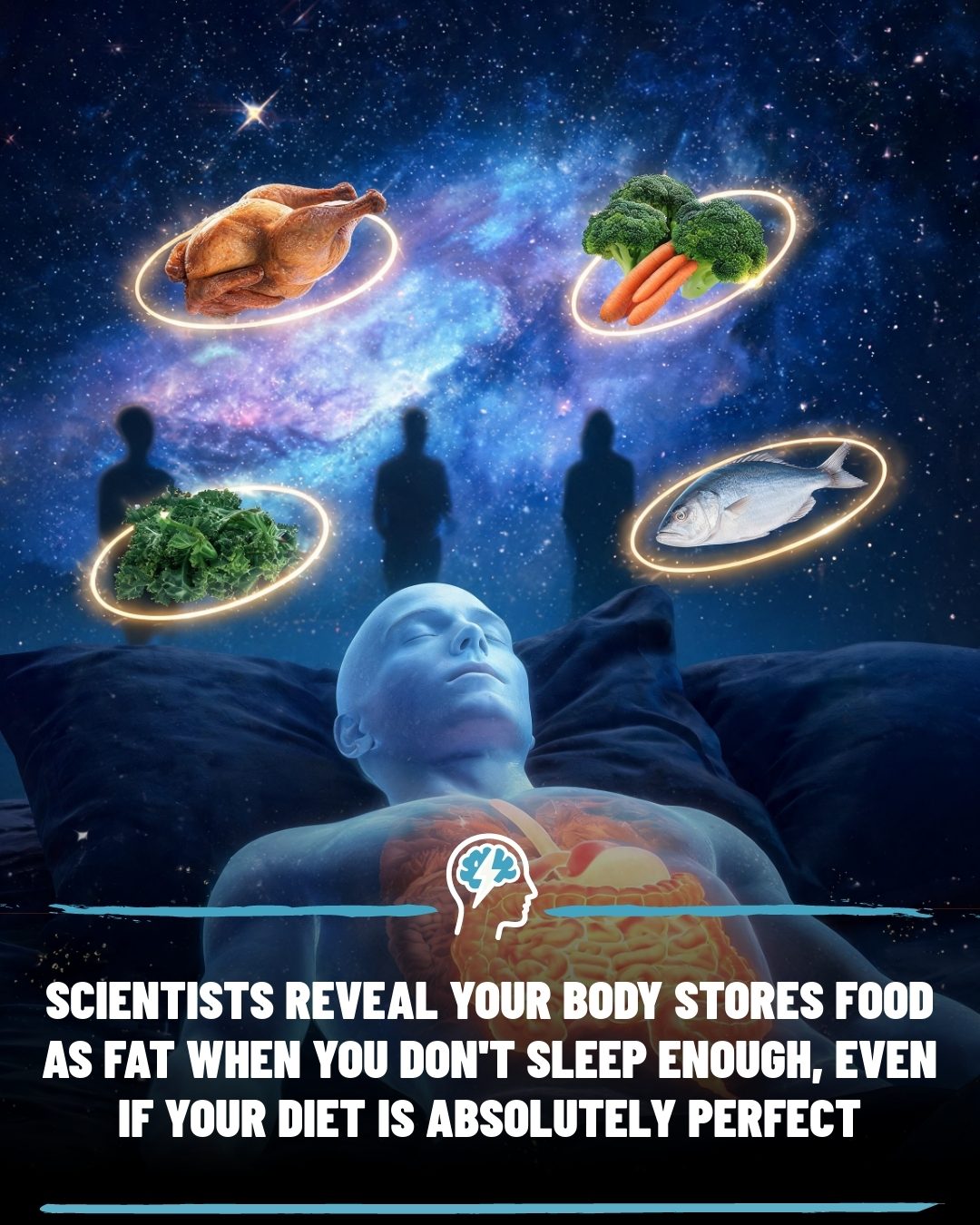
Sleep is a vital component of overall health, affecting various bodily functions, including metabolism. Understanding the intricate relationship between sleep, diet, and metabolism can help you maintain a healthy weight and overall well-being.
The Impact of Sleep on Metabolism
Sleep Deprivation and Fat Storage
Sleep deprivation can have a significant impact on how your body handles food and stores fat. Even if you maintain a balanced, nutritious diet, insufficient sleep can lead to fat storage. This is because sleep deprivation affects various metabolic processes, making it harder for your body to burn calories and use food for energy.
How Sleep Affects Lipids and Insulin
When you get only 5 hours of sleep, your body's metabolism changes in several ways:
- Lipid Metabolism: Lipids, or fats, clear the bloodstream faster but are directed into fat cells instead of being burned for energy.
- Insulin Response: Insulin spikes after meals, pushing your body into a state where it stores more fat. This insulin resistance can lead to weight gain and other metabolic issues.
- Sense of Fullness: The feeling of fullness fades quickly, leading to continuous cravings for food even after sufficient intake.
The Role of Hunger Hormones
Sleep deprivation also affects the hormones that regulate hunger and satiety:
- Ghrelin: This hunger hormone increases, signaling your brain to eat more.
- Leptin: This satiety hormone decreases, failing to signal that you are full. As a result, your body holds onto every calorie while simultaneously craving more food.
Practical Tips for Maintaining a Healthy Metabolism
Aim for Adequate Sleep
Aim for 7 to 9 hours of sleep per night. Consistency is key, so try to maintain a steady sleep schedule, even on weekends.
Create a Sleep-Conducive Environment
To improve sleep quality, consider the following tips:
- Reduce Blue Light Exposure: Limit the use of electronic devices before bed. The blue light emitted by screens can interfere with your body's production of melatonin, a hormone that regulates sleep.
- Avoid Heavy Meals: Consuming large meals close to bedtime can disrupt your sleep. Opt for lighter, easily digestible meals in the evening.
- Establish a Bedtime Routine: Create a relaxing routine before bed, such as reading, taking a warm bath, or practicing mindfulness.
The Importance of a Balanced Diet
While sleep is crucial, a balanced diet also plays a vital role in maintaining a healthy metabolism. Focus on nutrient-dense foods, including:
- Lean Proteins: Foods like chicken, fish, and legumes.
- Healthy Fats: Sources such as avocados, nuts, and seeds.
- Complex Carbohydrates: Whole grains, fruits, and vegetables.
- Fiber: Foods rich in fiber, such as leafy greens, broccoli, and kale, can help you feel full and support digestive health.
Why Sleep Should Be Part of Your Wellness Routine
Sleep is not an isolated factor in your overall health. It is intertwined with diet and exercise, forming a holistic approach to well-being. Chronic sleep loss can lead to serious health issues, including obesity and type 2 diabetes. By prioritizing sleep, you can support your body's natural processes and maintain a healthy metabolism.
Important Takeaways
- Sleep is Crucial for Metabolism: Adequate sleep is essential for maintaining a healthy metabolism and preventing fat storage.
- Balanced Diet and Sleep: Even with a perfect diet, sleep deprivation can lead to weight gain and metabolic issues.
- Hormonal Changes: Sleep deprivation affects hunger and satiety hormones, leading to increased cravings and calorie retention.
- Maintain a Healthy Lifestyle: Prioritize sleep, maintain a balanced diet, and engage in regular physical activity for optimal health.
Conclusion
Understanding the intricate relationship between sleep, diet, and metabolism is essential for maintaining a healthy lifestyle. Adequate sleep supports your body's natural processes, helping you maintain a healthy weight and overall well-being. By prioritizing sleep and following a balanced diet, you can support your metabolism and reduce the risk of metabolic disorders.
Questions readers ask
How does sleep deprivation contribute to weight gain?
Sleep deprivation can lead to weight gain by disrupting metabolic processes, which makes it harder to burn calories. It also affects how the body handles food, leading to increased fat storage.
What role do hormones play in how sleep affects my diet?
Sleep helps regulate hormones that control hunger and satiety. Insufficient sleep can cause these hormones to become imbalanced, leading to increased appetite and poor food choices.
Why is it important to consider sleep when managing my diet?
Sleep influences your metabolism, appetite, and food choices. Ensuring adequate sleep can help you make healthier decisions, maintain a balanced metabolism, and manage your weight more effectively.
How does the duration of sleep affect my metabolism and weight management?
Sleep duration directly impacts metabolic health. Short sleep durations can lead to decreased metabolism, increased fat storage, and ultimately, weight gain.
Can insufficient sleep impact my food choices and meal timing?
Yes, insufficient sleep can lead to poor dietary habits. It can affect the brain’s reward centers, leading to increased cravings for unhealthy foods. Additionally, it can disrupt the body's circadian rhythm, which regulates meal timing and satiety signals.
What are the effects of sleep deprivation on glucose and insulin levels?
Sleep deprivation can lead to a decrease in insulin sensitivity, which means that your body may require more insulin to regulate glucose. This can result in increased fat storage and a higher risk of developing type 2 diabetes.
How does the relationship between sleep and metabolism impact overall body weight?
The relationship between sleep and metabolism is complex. Insufficient sleep can disrupt your body's metabolism, making it work less efficiently, and leading to weight gain even if you maintain a healthy diet.
Related deep dives
Similar reads based on topic and creator.




Recent articles
Fresh deep dives from the latest Reels we unpacked.




Comments
Be the first to comment.