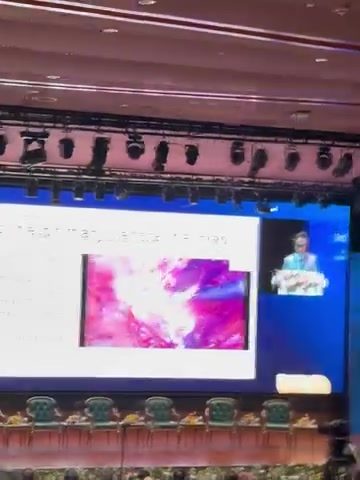
Medical Conference Presentation
The SMRSC 2026 conference, organized by SS Innovations, showcased an array of groundbreaking advancements in the medical field. From live robotic telesurgeries to battlefield drones, this event highlighted a new era of surgical robotics and telesurgery.
Why This Matters
The rapid advancements in surgical robotics and telesurgery are transforming medical practices worldwide. These innovations promise to significantly enhance patient care, especially in remote and conflict zones, by providing swift and precise medical interventions. Understanding these developments is crucial for medical professionals aiming to stay at the forefront of technological advancements in the field.
Main Discussion
The Rise of Surgical Robotics
The conference spotlighted the SSi Mantra, a surgical robot capable of performing live telesurgeries remotely. This technology allows surgeons to operate on patients from anywhere in the world, breaking geographical barriers and ensuring that patients in remote areas receive the best possible care.
Battlefield Surgery with Drones
One of the most striking demonstrations was the SSi Vimana Aero drone, designed to perform battlefield surgery. This drone can operate on wounded soldiers in war zones, providing immediate medical attention that could save lives in critical situations. The drone's ability to perform complex surgical procedures in hostile environments represents a significant leap forward in military medicine.
Ventral Hernias and Surgical Techniques
The presentation also delved into various surgical techniques for treating ventral hernias, specifically midline primary ventral hernias. Two-thirds of ventral hernias are midline, making this a common and critical area of focus for surgeons. The session highlighted several key points:
TAPP vs. IPOM Procedures
-
Technical Ease: TAPP (Transabdominal Preperitoneal) is technically easier to perform robotically compared to other techniques. This makes it a preferred choice for many surgeons, especially in complex hernia repairs.
-
Cost Comparison: The expense of robotic TAPP (rTAPP) procedures may be comparable to laparoscopic Intra-Peritoneal Onlay Mesh (IPOM) procedures. This cost-effectiveness is a significant factor in the adoption of robotics in hernia surgery.
-
Patient Recovery: One of the primary advantages of TAPP is the reduced pain and faster recovery times for patients. This not only improves patient outcomes but also reduces the overall healthcare burden.
The Indian Leadership in Surgical Innovations
India is leading the charge in surgical robotics. SS Innovations is spearheading this revolution with innovations like the SSi Mantra and SSi Vimana Aero. These advancements underscore India's role as a global leader in medical technology, setting new standards for surgical practices.
Practical Tips
For medical professionals looking to stay updated with these advancements, here are some practical tips:
-
Stay Informed: Keep an eye on conferences like SMRSC 2026 for the latest innovations and technological advancements in surgical robotics and telesurgery.
-
Hands-On Experience: Seek opportunities to gain hands-on experience with surgical robots and telesurgery systems. Practical training is invaluable in mastering these technologies.
-
Networking: Engage with professionals and organizations involved in medical robotics. Networking can provide insights and collaborations that drive innovation in your practice.
Important Takeaways
- Surgical robotics and telesurgery are evolving rapidly, offering new solutions for complex medical issues, especially in remote and conflict zones.
- Techniques like TAPP and IPOM are pivotal in hernia surgery, with TAPP being particularly advantageous in terms of technical ease and patient recovery.
- India, through organizations like SS Innovations, is leading the way in surgical robotics, showcasing groundbreaking innovations that could revolutionize medical practices globally.
Conclusion
The SMRSC 2026 conference was a testament to the transformative power of surgical robotics and telesurgery. From the SSi Mantra performing live telesurgeries to the SSi Vimana Aero drone conducting battlefield surgery, the event underscored the future of medical care. As we move forward, staying informed and embracing these innovations will be crucial for medical professionals aiming to provide the best possible care to their patients.
Questions readers ask
What is the SSi Mantra, and how does it facilitate remote telesurgeries?
The SSi Mantra is a cutting-edge surgical robot unveiled at the SMRSC 2026 conference. It enables remote telesurgeries by allowing surgeons to perform operations from a distance, ensuring that patients in remote areas receive timely and precise care. This technology utilizes advanced robotics and telecommunications to bridge geographic barriers in medical care.
How does the SSi Vimana Aero drone enhance surgical capabilities in conflict zones?
The SSi Vimana Aero drone is designed for battlefield surgeries, providing swift and precise medical interventions in conflict zones. It can transport surgical equipment and even perform basic medical procedures on-site, making it a valuable tool for delivering critical care in hazardous environments. The drone's agility and advanced features support rapid response and improved outcomes for injured personnel.
What are the key benefits of surgical robotics advancements for patients in remote areas?
Surgical robotics advancements, like those showcased at SMRSC 2026, offer several benefits for patients in remote areas. These include increased access to specialized surgical care, reduced travel times for patients, and the ability to perform complex procedures with high precision. Additionally, these technologies can help overcome staffing shortages in underserved regions by enabling remote expert consultations and interventions.
What makes the SMRSC 2026 conference significant for the medical field?
The SMRSC 2026 conference is significant because it highlights the latest innovations in surgical robotics and telesurgery. By showcasing technologies like the SSi Mantra and SSi Vimana Aero drone, the conference provides a platform for medical professionals to learn about cutting-edge developments and understand how these technologies can be integrated into clinical practice to improve patient outcomes.
How does telesurgery technology improve medical interventions in remote and conflict zones?
Telesurgery technology, as demonstrated by the SSi Mantra, improves medical interventions in remote and conflict zones by enabling surgeons to perform procedures from a distance. This technology ensures that patients receive expert care promptly, regardless of their location. It also allows for real-time collaboration between surgical teams, enhancing the precision and effectiveness of medical interventions in challenging environments.
What innovations in medical robotics were highlighted at the SMRSC 2026 conference?
The SMRSC 2026 conference highlighted several innovations in medical robotics, including the SSi Mantra for remote telesurgeries and the SSi Vimana Aero drone for battlefield surgeries. These technologies represent significant strides in surgical innovation, offering new ways to deliver swift, precise care to patients in various challenging settings, from remote areas to conflict zones.
How do the advancements in telesurgery technology impact patient care?
The advancements in telesurgery technology, such as those presented at SMRSC 2026, have a profound impact on patient care. They enhance access to specialized surgical procedures for patients in remote or underserved areas, reduce the need for long-distance travel for treatment, and ensure that patients receive timely and precise medical interventions. These technologies also support more efficient use of medical resources and expertise.
Related deep dives
Similar reads based on topic and creator.




Recent articles
Fresh deep dives from the latest Reels we unpacked.




Comments
Be the first to comment.