Drone Durability: How Industrial Drones Withstand Water Exposure
The ability of industrial drones to operate under harsh conditions, such as being hosed down with powerful streams of water, showcases the remarkable advancements in modern engineering. These drones are designed to withstand heavy rain, washdowns, and other demanding environments, making them ideal for various tasks that would be challenging for typical consumer drones.
Context: Why This Matters
Industrial drones are built to handle conditions that would quickly disable ordinary consumer drones. These conditions include heavy rain, washdowns, and other harsh environments. This durability is crucial for tasks such as inspections, emergency response, and industrial applications, where reliability and stability in flight are paramount.
Main Discussion
Engineering Design for Durability
The design of industrial drones incorporates several key features that ensure their durability:
- Sealed Electronics: These drones are equipped with sealed electronics that prevent water intrusion. This is critical for maintaining functionality in wet conditions.
- Waterproof Housing: The waterproof housing protects the internal components from water damage, ensuring the drone remains operational even under continuous water exposure.
- Corrosion-Resistant Materials: Using corrosion-resistant materials extends the lifespan of the drone, making it suitable for long-term use in harsh environments.
- Weatherproof Connectors: These connectors ensure that the drone can withstand various weather conditions, including heavy rain and washdowns, without losing stability in flight.
Physical Limits and Performance
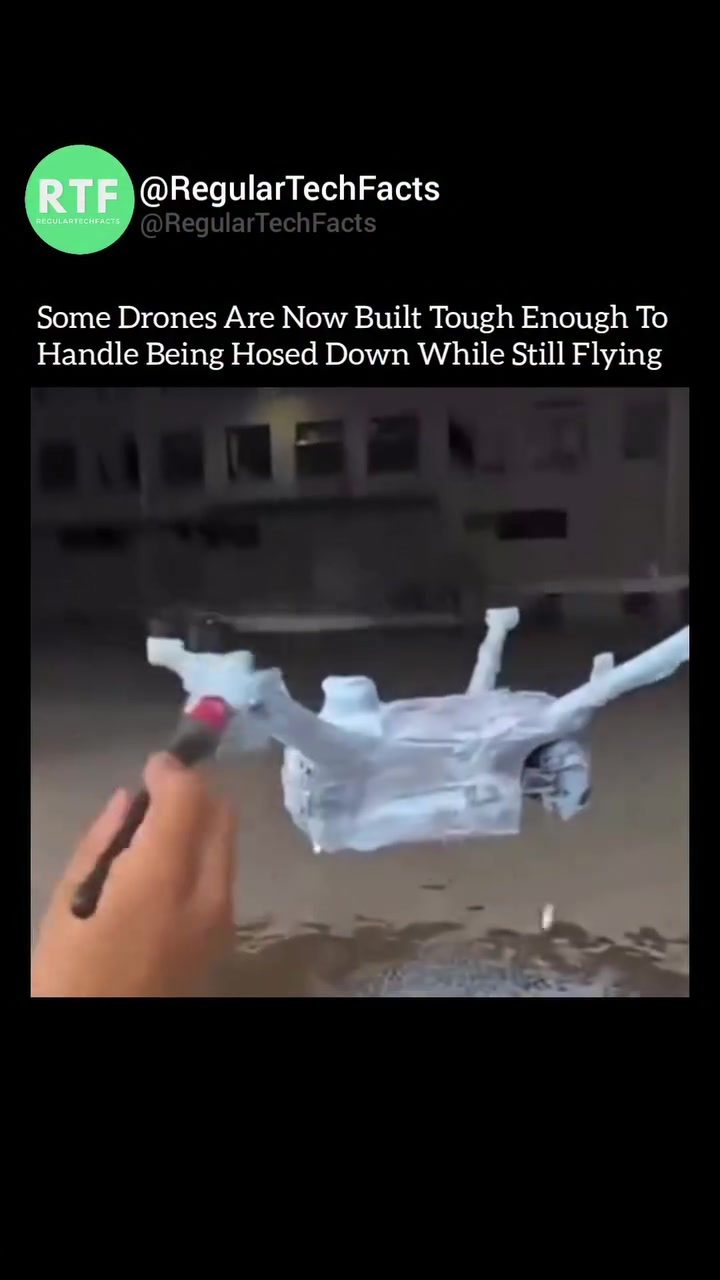
While industrial drones are designed to withstand heavy water exposure, it's important to recognize their physical limits. The angle and force of the water can still affect the drone's performance. For example, a high-pressure hose can create turbulence and drag, potentially impacting the drone's stability. However, the drone's design allows it to remain airborne under a continuous spray, showcasing the balance between durability and performance.
Applications in Various Industries
The durability of industrial drones makes them suitable for a variety of applications, including:
- Inspections: These drones can perform inspections in environments where water exposure is common, such as in industrial plants, chemical facilities, and construction sites.
- Emergency Response: In emergency situations, such as after a flood or chemical spill, industrial drones can quickly assess the damage and provide critical information to first responders.
- Industrial Tasks: Tasks such as aerial photography, data collection, and surveillance in harsh conditions are efficiently handled by these drones, ensuring that operations can continue uninterrupted.
On-Screen Text and Demonstration
The demonstration of a drone being hosed down while continuing to fly highlights the remarkable capabilities of modern engineering. The drone's ability to withstand water exposure without losing stability in flight is a testament to the careful sealing and robust design of these machines. The on-screen text, "Some Drones Are Now Built Tough Enough To Handle Being Hosed Down While Still Flying," underscores the significance of this engineering feat.
Key Points to Consider
When evaluating the durability of industrial drones, several key points are worth considering:
- Sealing and Design: Proper sealing and robust design are critical for maintaining the drone's functionality in harsh environments.
- Waterproofing Capabilities: The use of waterproof materials and connectors ensures that the drone can withstand water exposure without losing stability.
- Operational Efficiency: Despite the physical limits imposed by water exposure, the drone's design allows it to perform efficiently in various conditions.
- Practical Applications: The durability of these drones makes them ideal for tasks that would be challenging for ordinary consumer drones, such as inspections, emergency response, and industrial tasks.
Practical Tips
When using or evaluating industrial drones for tasks in harsh environments, consider the following tips:
- Choose the Right Drone: Ensure that the drone is specifically designed for the environment in which it will operate. Look for features such as sealed electronics, waterproof housing, and corrosion-resistant materials.
- Assess Waterproofing Capabilities: Verify that the drone has adequate waterproofing capabilities, including weatherproof connectors, to withstand the conditions it will encounter.
- Understand Physical Limits: Recognize the physical limits of the drone, such as the impact of water pressure and direction, and plan accordingly to ensure operational efficiency.
- Regular Maintenance: Regular maintenance and inspections are crucial for ensuring the drone's durability and performance, especially after exposure to harsh conditions.
Important Takeaways
The durability of industrial drones, demonstrated by their ability to withstand being hosed down while flying, highlights the advancements in modern engineering. These drones are designed with sealed electronics, waterproof housing, corrosion-resistant materials, and weatherproof connectors, making them suitable for a variety of tasks in harsh environments. Despite their physical limits, these drones offer a remarkable demonstration of how careful sealing and robust design can protect sensitive electronics in demanding conditions.
Conclusion
The ability of industrial drones to operate under harsh conditions, such as being hosed down with powerful streams of water, showcases the remarkable advancements in modern engineering. These drones are essential for tasks that require reliability and stability in flight, making them ideal for inspections, emergency response, and industrial applications. By understanding their design, physical limits, and practical applications, users can leverage these drones effectively, ensuring operational efficiency and durability in various environments.
Questions readers ask
How do industrial drones handle heavy rain better than ordinary drones?
Industrial drones are equipped with sealed electronics and waterproof housing, allowing them to operate in heavy rain without malfunctioning. Consumer drones, on the other hand, are not designed to withstand such conditions and may fail when exposed to water.
What kind of tasks are industrial drones typically used for?
Industrial drones are commonly used for tasks such as inspections, emergency response, and industrial applications. These tasks often require drones to operate in harsh environments, which is why industrial drones are designed to withstand conditions like heavy rain and powerful water streams.
Can industrial drones fly in powerful water streams?
Yes, industrial drones are tested to endure powerful water streams. This capability is crucial for tasks that require rigorous cleaning, such as in industrial facilities, where drones need to be hosed down to maintain cleanliness and safety standards.
What materials are used to make industrial drones corrosion resistant?
Industrial drones use corrosion-resistant materials in their construction to ensure longevity and performance in harsh environments. These materials can withstand exposure to water, chemicals, and other corrosive elements, making the drones reliable for long-term use in demanding conditions.
Why is it important for industrial drones to be waterproof?
The waterproof design of industrial drones is crucial for their reliability and performance in various tasks. It ensures that the drones can operate in wet conditions without damage, which is essential for tasks like inspections in rainy weather or emergency response scenarios where the drone might encounter water.
How are industrial drone electronics protected against water damage?
Industrial drone electronics are protected through careful sealing and waterproof housing. This design prevents water from entering the drone, ensuring that the internal components remain dry and functional.
What should I consider when choosing a drone for inspections in harsh weather?
When choosing a drone for inspections in harsh weather, consider models designed for industrial use. These drones are specifically engineered to withstand heavy rain, water streams, and other demanding conditions, ensuring consistent performance during inspections. Look for features like waterproof housing, sealed electronics, and corrosion-resistant materials.
Related deep dives
Similar reads based on topic and creator.



Recent articles
Fresh deep dives from the latest Reels we unpacked.




Comments
Be the first to comment.