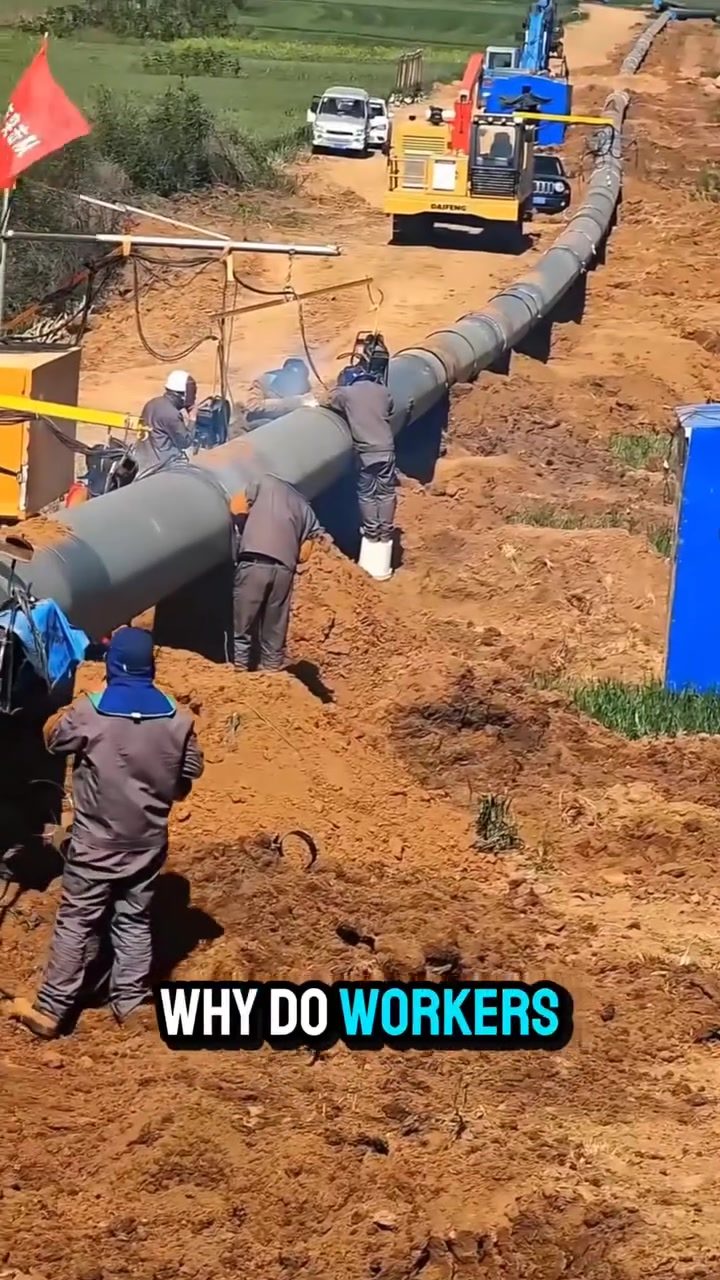
Pipeline Construction: Welding Giant Gas Pipes from the Inside
The process of welding giant gas pipes is a critical aspect of pipeline construction, especially when dealing with high-pressure natural gas. This intricate task requires precision and specialized equipment to ensure the integrity of the pipeline. Understanding the challenges and solutions in welding these massive pipes provides insight into the innovation and technology driving modern pipeline construction.
Why This Matters
Pipeline construction is a vital part of infrastructure development, particularly for transporting natural gas over long distances. High-pressure natural gas pipelines require robust welding techniques to ensure safety and efficiency. The process involves aligning massive gas pipes and welding them from both the inside and outside to create a secure connection. This dual-welding approach is essential for preventing leaks and maintaining the structural integrity of the pipeline.
The Complexity of Welding High-Pressure Gas Pipes
The Challenges of Welding from the Outside
Welding high-pressure gas pipes from the outside alone is insufficient due to the thickness of the steel walls. The heat from an external weld may not fully penetrate the steel, leaving a potential weak point inside the pipe. Even a tiny hidden gap could become a dangerous weak spot, leading to a high-pressure gas leak. This risk makes it necessary to weld from the inside as well.
The Role of Internal Welding
Internal welding ensures that the joint is fully penetrated and secure. However, the long, narrow, and completely enclosed nature of the pipeline makes it impossible for humans to work inside. This is where specialized welding robots come into play.
The Innovation of Welding Robots
How Welding Robots Work
Welding robots are designed to crawl deep inside the pipeline, automatically find the joint, and lock themselves against the pipe walls. These robots are equipped with advanced sensors and welding tools that enable them to create a secure connection from the inside out. The process involves several key steps:
- Alignment: The pipes are carefully aligned to ensure a precise fit.
- Robot Deployment: The welding robot is inserted into the pipeline.
- Joint Location: The robot navigates to the joint and locks itself in place.
- Welding: The robot begins welding, creating a strong connection from the inside.
- External Welding: Once the internal weld is complete, workers can safely continue welding from the outside.
Advantages of Using Welding Robots
Welding robots offer several advantages in pipeline construction:
- Precision: Robots can perform welds with high precision, ensuring a strong and secure connection.
- Safety: By welding from the inside, robots eliminate the risk of human workers being exposed to hazardous conditions.
- Efficiency: Robots can work continuously without the need for breaks, speeding up the construction process.
- Consistency: Robotic welding ensures a consistent quality of welds, reducing the likelihood of defects.
Practical Tips for Pipeline Welding
Ensuring Proper Alignment
Proper alignment of the pipes is crucial for a successful weld. Workers must ensure that the pipes are perfectly aligned before beginning the welding process. Misalignment can lead to weak points and potential leaks.
Maintaining Safety Standards
Safety is paramount in pipeline construction. Workers should follow all safety protocols, including wearing protective gear and using safety harnesses when working at heights. Regular inspections and maintenance of welding equipment are also essential to prevent accidents.
Utilizing Advanced Technology
Investing in advanced welding technology, such as welding robots, can significantly improve the quality and efficiency of pipeline construction. These robots not only enhance safety but also ensure that the welds meet the highest standards of quality.
Important Takeaways
The Importance of Dual-Welding
Dual-welding—from both the inside and outside—is essential for creating a secure and reliable connection in high-pressure gas pipes. This approach ensures that the weld penetrates the entire thickness of the steel, eliminating potential weak points.
The Benefits of Automation
Automation plays a crucial role in modern pipeline construction. Welding robots can perform tasks that are impossible for humans, ensuring precision, safety, and efficiency in the welding process.
The Need for Continuous Innovation
The pipeline construction industry is continually evolving, driven by the need for safer, more efficient, and more reliable methods. Innovations like welding robots are just the beginning, and future developments will likely bring even more advancements to this critical field.
Conclusion
Welding giant gas pipes from the inside is a complex but necessary process in pipeline construction. The use of specialized welding robots has revolutionized this task, ensuring safety, precision, and efficiency. As technology continues to advance, the future of pipeline construction looks promising, with even more innovations on the horizon. Understanding the intricacies of this process highlights the critical role of innovation and technology in modern infrastructure development.
Questions readers ask
How do welding robots ensure the integrity of high-pressure natural gas pipelines?
Welding robots ensure the integrity of high-pressure natural gas pipelines by performing precise and consistent welds from the inside of the pipes. This precision helps prevent leaks and maintains the structural robustness required for safe gas transport.
What makes welding giant gas pipes from the inside so challenging?
Welding giant gas pipes from the inside is challenging due to the confined space and the need for precise alignment and welding techniques. The high-pressure environment and the size of the pipes add to the complexity of the task.
What are the benefits of using automated welding robots in pipeline construction?
Automated welding robots offer several benefits, including increased precision, consistency, and efficiency in welding. They can operate in confined spaces and harsh environments, reducing the need for human intervention and minimizing safety risks.
How do welding robots navigate and operate within the confined spaces of gas pipes?
Welding robots are equipped with advanced navigation systems and specialized tools designed to maneuver within the confined spaces of gas pipes. These robots can precisely align and weld the pipes, ensuring a secure and reliable connection.
What role does robotic welding play in maintaining pipeline integrity?
Robotic welding plays a crucial role in maintaining pipeline integrity by providing consistent and high-quality welds. These welds are essential for preventing leaks and ensuring the long-term durability and safety of high-pressure natural gas pipelines.
What are the key technologies used in robotic gas pipe welding?
Robotic gas pipe welding involves several key technologies, including advanced sensors for precise navigation, automated welding systems for consistent welds, and specialized tools designed to operate within confined spaces. These technologies work together to ensure the reliability and safety of the welding process.
Related deep dives
Similar reads based on topic and creator.




Recent articles
Fresh deep dives from the latest Reels we unpacked.




Comments
Be the first to comment.