Medical Breakthrough: Tooth-Derived Grafts in Eye Reconstruction
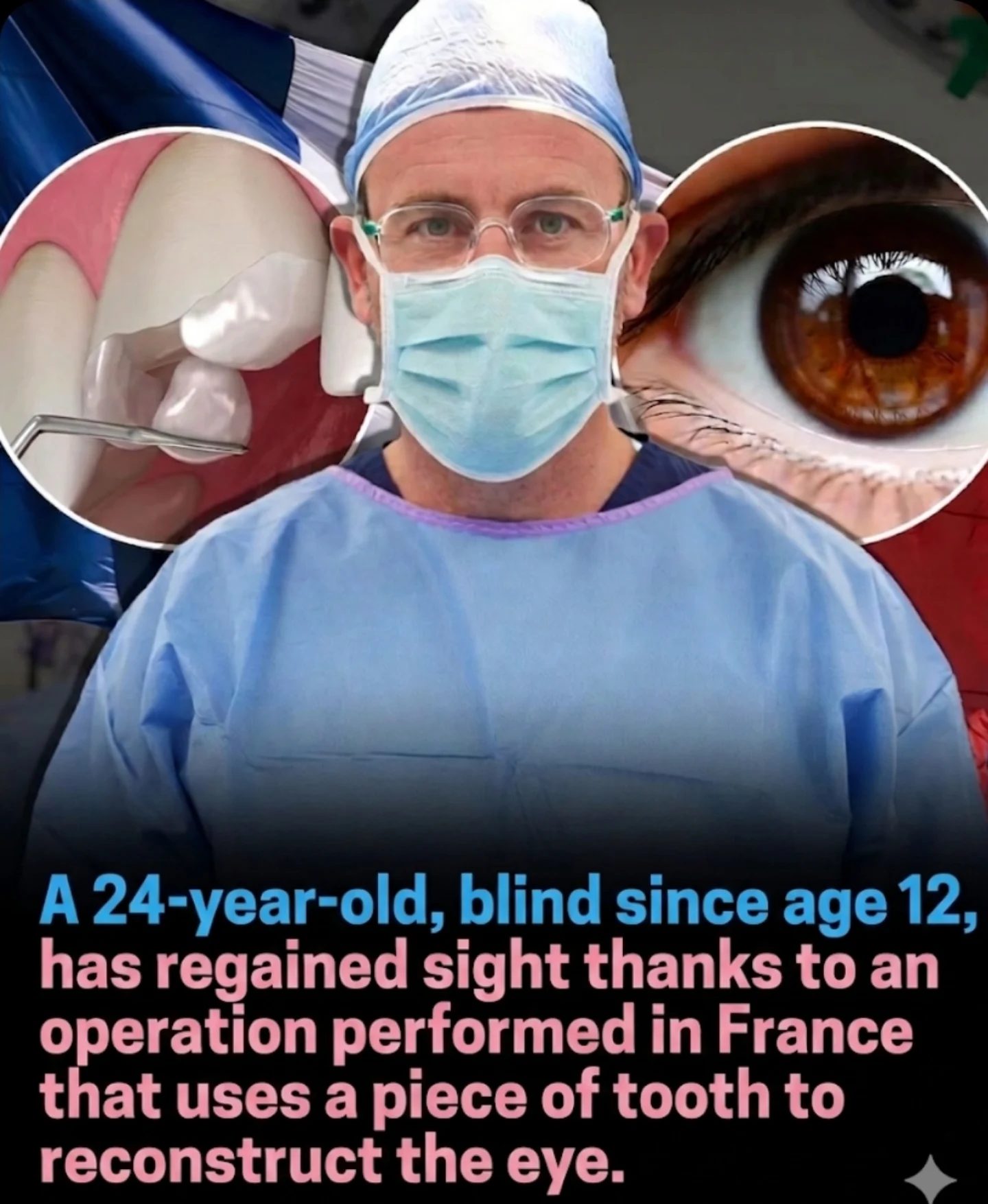
The innovative use of tooth-derived biomaterials in eye reconstruction has reopened the world of vision for a 24-year-old who has been blind since the age of 12. This groundbreaking procedure, conducted in France, marks a significant advancement in regenerative medicine. The operation utilizes a piece of tooth to reconstruct the eye, offering a new pathway for treating severe eye damage and blindness. This remarkable achievement showcases the potential of dental stem cells and biomaterials in ophthalmology.
Context / Why this matters
The integration of dental biomaterials in ocular reconstruction is a testament to the interdisciplinary potential of regenerative medicine. This technique not only opens new avenues for vision restoration but also underscores the importance of exploring innovative approaches to tackle long-standing medical challenges.
Main discussion
The Role of Dental Biomaterials
Dental stem cells and biomaterials have emerged as promising candidates in regenerative medicine. Teeth contain a rich source of mesenchymal stem cells, which can differentiate into various cell types, including those required for ocular tissue regeneration. These stem cells, combined with the structural integrity of tooth-derived biomaterials, provide a robust scaffold for tissue repair and regeneration.
The Procedure
The procedure involves harvesting a piece of tooth, which is then processed to extract stem cells and biomaterials. These materials are used to reconstruct the damaged eye, fostering the regeneration of ocular tissues. The success of this approach in restoring sight to a 24-year-old who has been blind for over a decade highlights the efficacy and potential of this innovative method.
The Benefits of Tooth-Derived Biomaterials
Tooth-derived biomaterials offer several advantages. They are biocompatible, readily available, and can be easily harvested from the patient, reducing the risk of rejection. Additionally, the ability of these materials to support tissue regeneration makes them an ideal choice for reconstructive procedures. The use of tooth-derived biomaterials in ophthalmology represents a significant leap forward, offering a more sustainable and effective solution for treating severe eye damage and blindness.
Practical tips
Consider the Patient's Condition
When considering tooth-derived biomaterials for eye reconstruction, it is essential to assess the patient's specific condition and the extent of eye damage. This evaluation helps in determining the feasibility and potential benefits of the procedure.
Collaboration with Dental Specialists
Collaboration with dental specialists is crucial for the successful implementation of this technique. Dental experts can provide valuable insights into the extraction and processing of tooth-derived biomaterials, ensuring optimal outcomes.
Post-Operative Care
Post-operative care is vital for the success of the procedure. Regular follow-ups and monitoring help assess the progress of tissue regeneration and ensure the patient's well-being.
Important takeaways
Tooth-derived biomaterials represent a groundbreaking development in the field of regenerative medicine. The successful restoration of sight to a 24-year-old who has been blind since age 12 demonstrates the immense potential of this innovative approach. The use of dental stem cells and biomaterials in ocular reconstruction offers a sustainable and effective solution for treating severe eye damage, paving the way for future advancements in vision restoration.
Conclusion
The application of tooth-derived biomaterials in eye reconstruction signifies a significant milestone in medical innovation. This pioneering technique not only offers a new pathway for vision restoration but also underscores the potential of interdisciplinary approaches in addressing complex medical challenges. As research continues to evolve, the integration of dental biomaterials in ocular reconstruction holds promise for transforming the lives of individuals affected by blindness and severe eye damage.
Questions readers ask
How do tooth-derived biomaterials help in eye reconstruction?
Tooth-derived biomaterials, rich in dental stem cells, can be used to regenerate and repair damaged eye tissues. These biomaterials provide a scaffold that promotes cell growth and differentiation, aiding in the recovery of sight.
What makes the procedure done in France significant?
The procedure is significant because it successfully restored the sight of a 24-year-old who had been blind since childhood. This achievement demonstrates the potential of dental stem cells in treating severe eye damage and blindness, offering hope for similar cases worldwide.
Are there any other applications for dental stem cells in regenerative medicine?
Dental stem cells have shown promise in various regenerative medicine applications, including bone and cartilage repair, as well as in treating conditions like Parkinson's disease and spinal cord injuries. Their versatility makes them a valuable resource in medicine.
What is IQutech technology and how does it relate to this procedure?
IQutech technology refers to the innovative approach that utilizes tooth-derived biomaterials for reconstructive purposes, like the eye surgery discussed. It demonstrates how dental stem cell can be used in stem cell therapy to address and treat severe eye damage, blindness, and other conditions.
How does the use of biomaterials in eye surgery benefit patients?
Biomaterials in eye surgery provide a natural and biocompatible structure for tissue regeneration. This approach can reduce the risk of rejection and inflammation, promoting faster healing and better outcomes for patients with severe eye damage. Additionally, it opens new pathways for vision restoration.
Are there any specific benefits for young adults undergoing this procedure?
Young adults, like the 24-year-old in the article, can greatly benefit from this procedure as their bodies may heal more quickly and adapt better to the new tissue. Moreover, restoring sight at a young age can significantly improve their quality of life and independence.
Related deep dives
Similar reads based on topic and creator.




Recent articles
Fresh deep dives from the latest Reels we unpacked.




Comments
Be the first to comment.