Ocean Plastic Pollution: A Creative Exploration of Our Impact on Marine Life
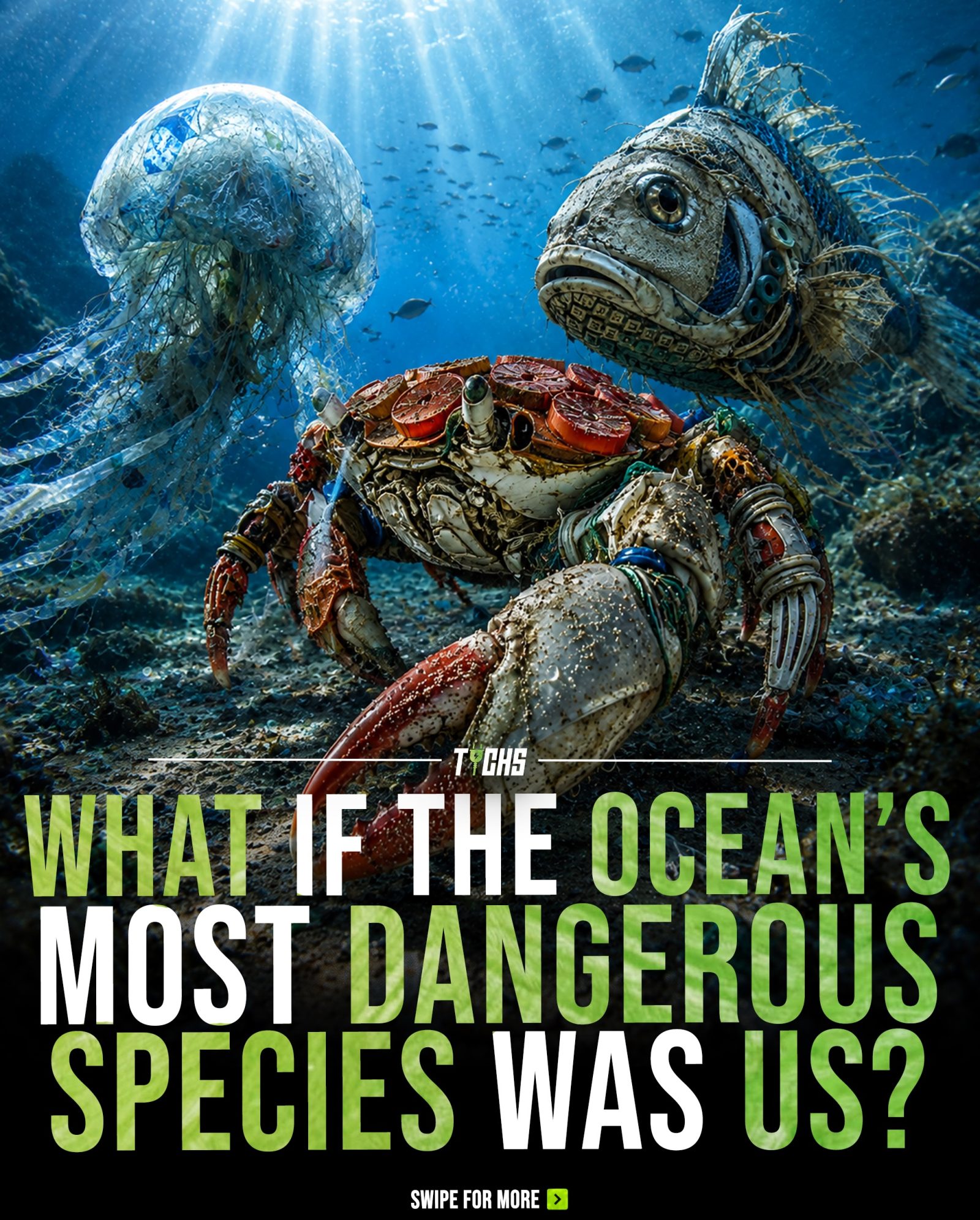
Plastic pollution in the oceans is a growing concern, with waste breaking apart, traveling with currents, and settling into marine habitats. This pollution becomes an integral part of the environment that marine life must navigate to survive. The creative approach by TYCHS, an environmental awareness platform, visualizes this issue through fictitious marine species composed entirely of plastic waste. These species serve as troubling symbols of the human impact on ocean ecosystems.
Why This Matters
Understanding the depth and severity of ocean plastic pollution is crucial for recognizing the urgent need for action. The fictional marine species introduced by TYCHS, such as Medusa Plasticaria, Cancer Polymerus, Pisces Calceus, Manta Synthetica, and Ostrea Capsula, represent the alarming reality of our plastic waste's integration into marine environments. By visualizing these species, TYCHS highlights how plastic waste does not simply disappear but transforms into a persistent part of the ocean's ecosystem.
The Impact of Plastic Pollution on Marine Life
The Life Cycle of Ocean Plastic
Plastic waste in the ocean does not vanish; instead, it undergoes a complex life cycle. The waste breaks apart into smaller pieces, often referred to as microplastics, which can be ingested by marine organisms. These microplastics are then carried by ocean currents and settle in various habitats, becoming part of the environment that marine life must endure. This persistent presence of plastic waste poses significant threats to marine ecosystems, affecting both the physical and biological aspects of the ocean.
Fictional Species as Visual Symbols
The fictional species created by TYCHS serve as stark visual symbols of the impact of plastic pollution. Each species is designed to resemble familiar marine forms but is composed entirely of plastic waste. For example:
- Medusa Plasticaria: This species transforms the iconic jellyfish into a form made of plastic debris, highlighting how marine creatures are entangled in our waste.
- Cancer Polymerus: Resembling a crab, this species reflects the plastic waste accumulating along our shores, illustrating the direct impact on coastal marine life.
- Pisces Calceus: This fish-like species incorporates plastic materials, symbolizing the ingestion of plastic waste by marine fish.
- Manta Synthetica: This species mimics the manta ray, composed of synthetic materials, representing the entanglement of larger marine animals in plastic waste.
- Ostrea Capsula: Resembling a seashell, this species turns ordinary plastic pollution into something almost natural, illustrating how plastic waste can mimic natural forms and become embedded in marine environments.
Human Responsibility: Humanus Irresponsibilis
The species Humanus Irresponsibilis represents the human behavior behind the problem. This species underscores the fact that our actions and waste management practices are the root cause of the plastic pollution crisis. By recognizing our role, we can take proactive steps to reduce plastic waste and mitigate its impact on marine life.
Practical Tips for Reducing Plastic Pollution
Reduce Plastic Use
One of the most effective ways to combat ocean plastic pollution is to reduce our overall plastic use. This can be achieved by opting for reusable items such as water bottles, shopping bags, and containers. By making simple changes in our daily routines, we can significantly decrease the amount of plastic waste that ends up in the ocean.
Proper Disposal and Recycling
Proper disposal and recycling of plastic waste are critical to preventing it from entering the ocean. Ensure that plastic waste is disposed of in designated bins and recycled whenever possible. Participate in local recycling programs and support initiatives that promote sustainable waste management practices.
Support Environmental Awareness Campaigns
Supporting environmental awareness campaigns, such as those by TYCHS, can help raise awareness and encourage others to take action against plastic pollution. Share information, participate in community clean-up events, and advocate for policies that protect marine ecosystems.
Important Takeaways
- Plastic Waste Persistence: Plastic waste in the ocean breaks apart, travels with currents, and becomes an integral part of marine habitats.
- Impact on Marine Life: The presence of plastic waste poses significant threats to marine life, affecting both the physical and biological aspects of the ocean.
- Visual Symbols: The fictitious species created by TYCHS serve as visual symbols of the impact of plastic pollution, highlighting the integration of plastic waste into marine ecosystems.
- Human Responsibility: The species Humanus Irresponsibilis emphasizes our role in the plastic pollution crisis and the need for proactive action.
- Practical Steps: Reducing plastic use, proper disposal, and supporting environmental awareness campaigns are effective ways to mitigate the impact of plastic pollution.
Conclusion
The fictional marine species created by TYCHS offer a unsettling yet poignant reminder of the depth and severity of ocean plastic pollution. By visualizing the impact of our waste on marine life, we are called to take action and make sustainable choices. Reducing plastic use, proper disposal, and supporting environmental awareness campaigns are practical steps we can take to protect marine ecosystems and ensure a healthier ocean for future generations.
Questions readers ask
How does TYCHS use fictional marine species to address plastic pollution in the ocean?
TYCHS creates imaginative marine creatures made entirely of plastic waste to bring attention to the reality of ocean plastic pollution. By visualizing these fictional species, TYCHS highlights the pervasive nature of plastic waste in marine environments and encourages viewers to consider the impact of their actions on ocean ecosystems. These creatures serve as vivid representations of the plastic waste that marine life must contend with daily.
What are some of the effects of plastic waste on marine life and ocean ecosystems?
Plastic waste in the ocean can have devastating effects on marine life. Plastics can entangle and harm marine animals, and when ingested, can cause health issues or even death. The breakdown of plastics into smaller fragments also leads to microplastics, which are ingested by a wide range of marine species, entering the food chain. This pollution fundamentally alters marine habitats and poses significant threats to the wellbeing of ocean ecosystems.
Which fictional marine species does TYCHS use to illustrate the issue of plastic pollution in the ocean?
TYCHS has introduced several fictional marine species to represent the impact of plastic waste, such as the Medusa Plasticaria and the Cancer Polyme. These creatures are designed to resemble real marine life but are composed entirely of plastic waste, making them stark visual representations of the problem. They are named using a combination of the scientific names of real marine animals and words related to plastic, to emphasize the extent of plastic pollution in the ocean.
How does plastic waste become part of marine ecosystems?
Plastic waste in the ocean does not simply disappear; instead, it fragments into smaller pieces and becomes integrated into marine habitats. These fragments can be ingested by marine animals, entangle them, or alter the physical landscape of the ocean floor. Over time, plastic waste becomes an integral, albeit harmful, part of the ecosystem that marine life must navigate to survive.
Why is it important to raise awareness about plastic waste in the ocean through creative means like TYCHS' approach?
Creative approaches like TYCHS' use of fictional marine species make the issue of ocean plastic pollution more accessible and engaging. By using vivid and imaginative representations, these efforts can capture attention and inspire action. Raising awareness through such means can help more people understand the urgency of the problem, and encourage broader participation in efforts to reduce and manage plastic waste.
What are some of the ways in which plastic waste travels and settles in the ocean?
Plastic waste in the ocean is carried by currents and can settle into various marine habitats, from the surface to the deep sea. This widespread distribution means that no part of the ocean is immune to plastic pollution. The waste can accumulate in large gyres, be deposited on the seafloor, or wash up on shorelines, affecting a wide range of marine environments and the species that inhabit them.
How can understanding the impact of plastic waste on oceans motivate action?
Understanding the severe and far-reaching impact of plastic waste on ocean ecosystems can motivate individuals, communities, and governments to take action. Recognizing the urgency of the problem can inspire changes in behavior, such as reducing single-use plastics, improving waste management practices, and advocating for policies that address plastic pollution. By grasping the scale of the issue, people are more likely to engage in meaningful efforts to protect marine life and ocean health.
Related deep dives
Similar reads based on topic and creator.
Recent articles
Fresh deep dives from the latest Reels we unpacked.




Comments
Be the first to comment.