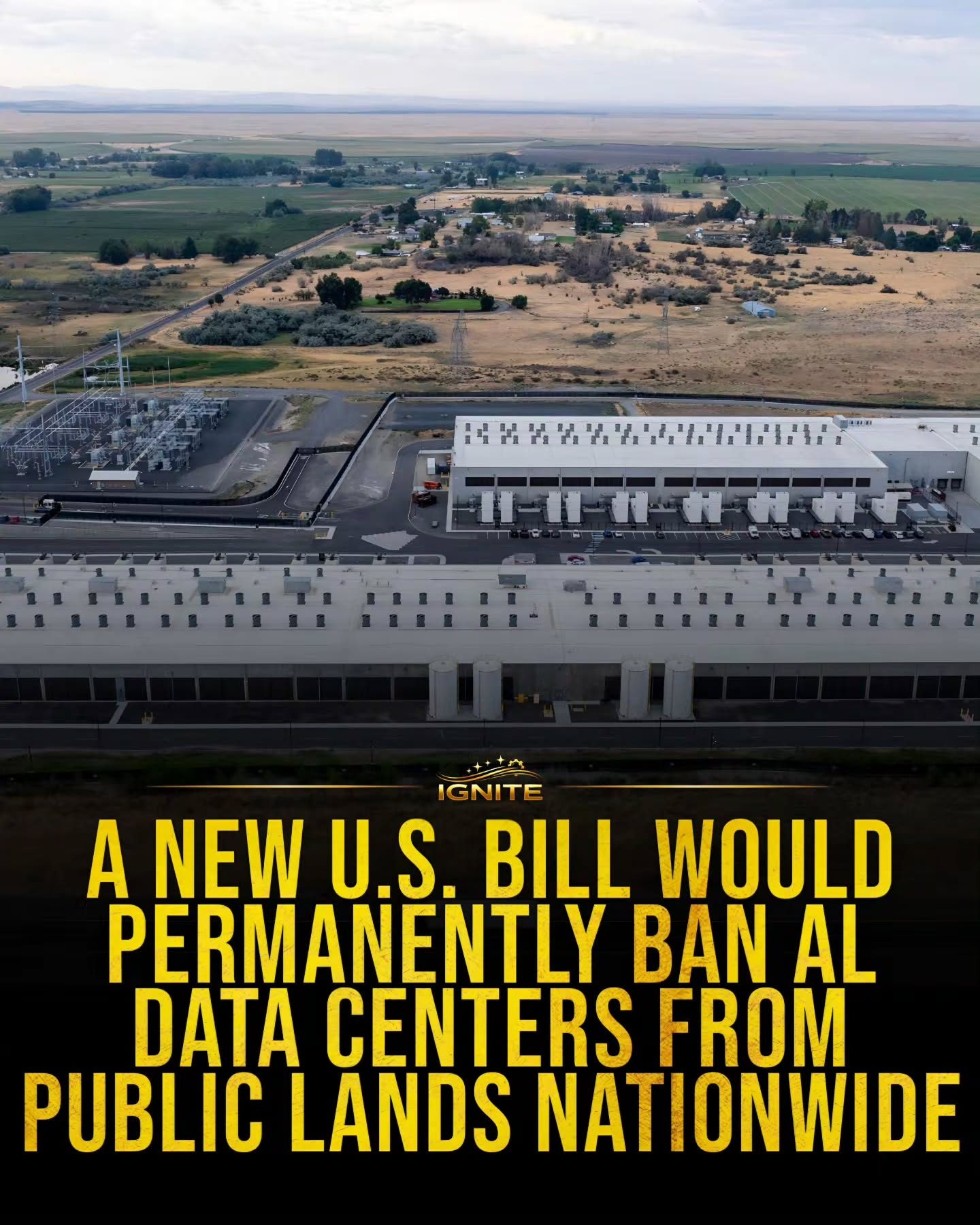
The Proposed U.S. Bill to Ban Data Centers on Public Lands
A new U.S. bill aims to permanently ban data centers from being built on public lands nationwide. This proposal, highlighted by IGNITE, underscores growing concerns about the environmental and land-use impacts of data centers. Understanding the context and implications of this bill is crucial for anyone involved in tech infrastructure, environmental policy, or public land management.
Why This Matters
Data centers are the backbone of the digital age, housing servers that store and process vast amounts of data. However, their construction and operation come with significant environmental costs. These facilities consume enormous amounts of energy and water, and their physical footprint can disrupt local ecosystems and communities. The proposed ban aims to address these issues by limiting where new data centers can be built, particularly on public lands that are often envied for their natural beauty and resources.
The Environmental Impact
One of the primary concerns driving this legislation is the environmental impact of data centers. These facilities require substantial amounts of energy to operate, contributing to carbon emissions and climate change. Additionally, data centers need large quantities of water for cooling, which can strain local water resources. By banning new data centers on public lands, the bill seeks to protect these areas from further environmental degradation.
Energy Consumption
Data centers are notorious for their high energy consumption. According to some estimates, they collectively consume more energy than some small countries. This energy usage contributes to greenhouse gas emissions, exacerbating global warming.
Water Usage
Water is another critical resource consumed by data centers. Cooling systems in these facilities often rely on water to dissipate heat, leading to significant water usage. In regions where water is scarce, the construction of new data centers can exacerbate water shortages and affect local communities.
Land Use and Ecosystem Disruption
Public lands often host diverse ecosystems that support a wide range of plant and animal species. Building data centers on these lands can disrupt habitats, leading to biodiversity loss and ecosystem degradation. The proposed ban aims to protect these ecosystems by preventing further development on public lands.
Community Impact
Data centers also have social and economic impacts on local communities. While they can bring jobs and economic development, they can also lead to increased traffic, noise, and other disruptions. By limiting where new data centers can be built, the bill seeks to mitigate these impacts on local communities.
Main Discussion
The proposed ban on data centers on public lands is part of a broader conversation about sustainable development and responsible land use. Let's delve into the key aspects of this bill and its potential implications.
The Role of Public Lands
Public lands are managed by the federal government for various purposes, including conservation, recreation, and multiple-use management. These lands are often valued for their natural beauty, ecological significance, and recreational opportunities. Proposing a ban on data centers on public lands reflects a commitment to preserving these values while addressing the environmental and social impacts of data center development.
Alternative Locations for Data Centers
If the ban is enacted, data center developers will need to look for alternative locations. This could drive innovation in data center design and operation, encouraging the development of more efficient and sustainable facilities. For example, data centers could be built in urban areas with better access to renewable energy sources, or they could be retrofitted into existing buildings to reduce their environmental footprint.
The Future of Data Center Technology
The proposed ban could also accelerate advancements in data center technology. As developers seek to build more efficient and sustainable facilities, they may invest in new technologies that reduce energy and water consumption. This could lead to innovations in cooling systems, energy storage, and renewable energy integration.
Practical Tips
For developers, policymakers, and environmental advocates, here are some practical tips to navigate the potential changes brought by this bill.
For Developers
- Explore Urban Locations: Consider building data centers in urban areas where infrastructure is already in place, and renewable energy sources are more accessible.
- Innovate in Design: Invest in new technologies that can reduce energy and water consumption, such as advanced cooling systems or renewable energy integration.
- Retrofit Existing Buildings: Look for opportunities to repurpose existing buildings, which can reduce the environmental impact of new construction.
For Policymakers
- Support Research and Development: Encourage research and development in sustainable data center technologies to facilitate the transition to more environmentally friendly practices.
- Provide Incentives: Offer financial incentives for developers who adopt sustainable practices and build data centers in urban areas or existing buildings.
- Streamline Permitting: Simplify the permitting process for data centers that meet sustainable development criteria to encourage more environmentally friendly projects.
For Environmental Advocates
- Advocate for Sustainable Practices: Push for policies that promote sustainable data center practices, such as energy efficiency standards and renewable energy requirements.
- Promote Public Awareness: Educate the public about the environmental and social impacts of data centers and the importance of sustainable development.
- Collaborate with Developers: Work with data center developers to find mutually beneficial solutions that protect the environment while supporting technological advancements.
Important Takeaways
- Data centers have significant environmental and social impacts, including high energy and water consumption and disruption of local ecosystems.
- The proposed ban on data centers on public lands aims to address these issues by limiting where new facilities can be built.
- This ban could drive innovation in data center technology and encourage the development of more sustainable facilities.
- Developers, policymakers, and environmental advocates all have a role to play in mitigating the impacts of data centers and promoting sustainable practices.
Conclusion
The proposed U.S. bill to permanently ban data centers on public lands nationwide is a significant step toward addressing the environmental and social impacts of these facilities. By limiting where new data centers can be built, the bill aims to protect public lands, promote sustainable development, and drive innovation in data center technology. For developers, policymakers, and environmental advocates, this proposal presents both challenges and opportunities to create a more sustainable future. The future of data centers will likely see a shift toward more efficient and environmentally friendly practices, driven by the need to adapt to new regulations and public demands.
Questions readers ask
What is the primary goal of the U.S. bill highlighted by IGNITE?
The primary goal of the U.S. bill is to prevent the construction of new data centers on public lands across the United States, due to concerns about their energy consumption, water usage, and overall environmental impact.
Why are data centers specifically targeted by this legislation?
Data centers are targeted because they consume vast amounts of energy and water, and their large physical footprint can disrupt local ecosystems, making them a significant concern for environmental and land-use policies.
What are some of the main environmental concerns associated with data centers?
The main environmental concerns include high energy consumption, substantial water usage for cooling, and the disruption of local ecosystems due to their large physical footprint and resource demands.
How does this proposed bill relate to current U.S. data center regulations?
This bill, if passed, would represent a significant change in U.S. data center regulations by imposing a nationwide ban on new data centers on public lands, which is a more restrictive measure than current policies.
What are the potential impacts of banning data centers on public lands?
Banning data centers on public lands could lead to a shift in data center construction to private lands, potentially increasing costs for tech companies, incentivizing more efficient data center designs and operations, and affecting local economies where these facilities might have been built on public lands.
What is the significance of the IGNITE video in discussing this bill?
The IGNITE video provides a comprehensive overview of the proposed bill, its motivations, and the potential implications for both the tech industry and the environment, offering a valuable resource for understanding the complexities of the issue.
How might this bill influence the future of data center development in the U.S.?
If enacted, this bill could steer data center developments towards private lands or encourage technological advancements in data center efficiency, potentially driving innovation in renewable energy sources and water conservation methods to mitigate environmental impacts.
Related deep dives
Similar reads based on topic and creator.




Recent articles
Fresh deep dives from the latest Reels we unpacked.




Comments
Be the first to comment.