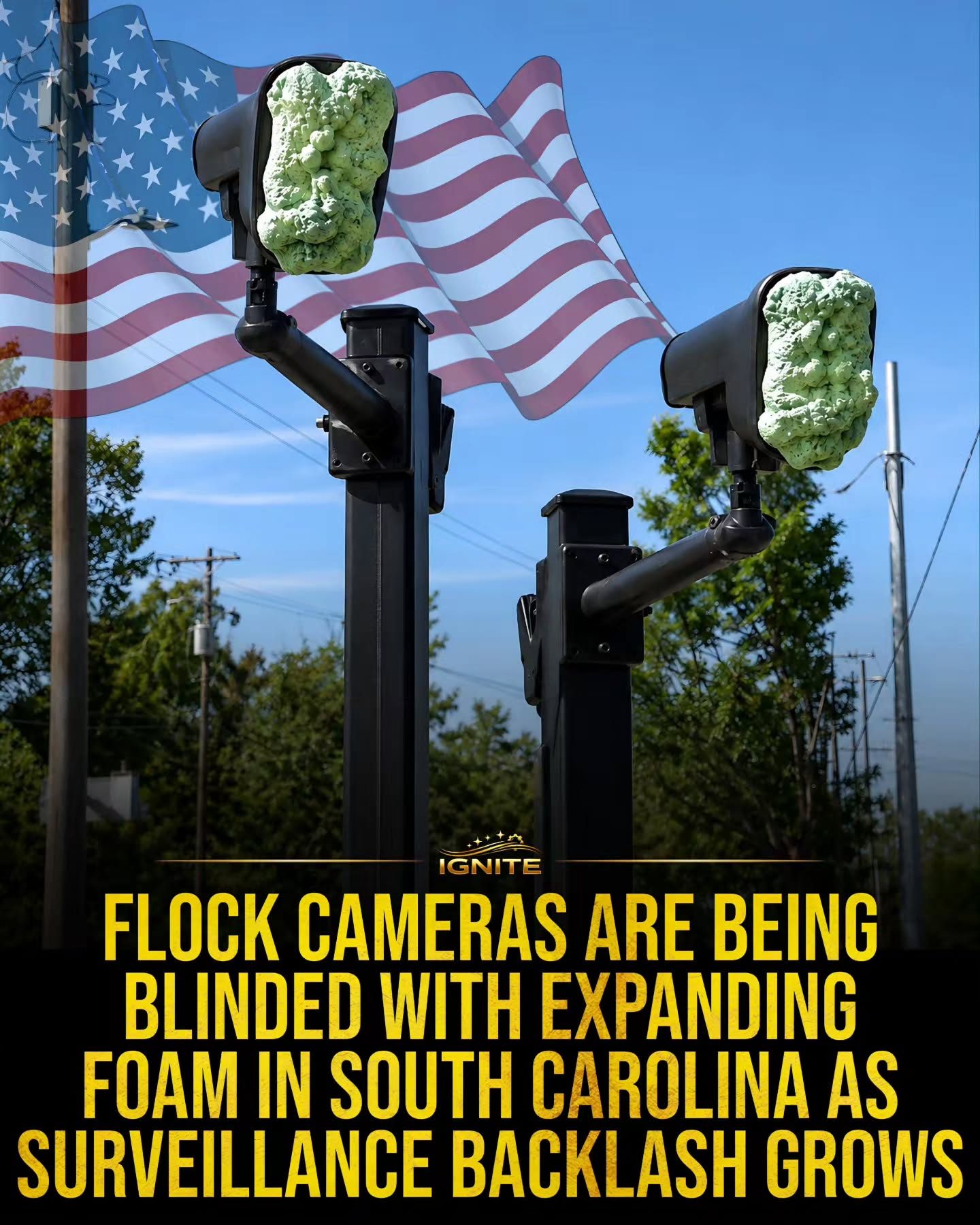
Surveillance Camera Sabotage in South Carolina: The Backlash Against Surveillance
The recent sabotage of surveillance cameras in South Carolina, has sparked attention and concern. The incidents involve unknown individuals targeting cameras with expanding foam, effectively blinding the devices. This act of vandalism is part of a broader backlash against surveillance, reflecting a range of concerns and frustrations among local residents.
Context: Surveillance in the Modern World
Surveillance cameras have become ubiquitous in public and private spaces. They are deployed in residential neighborhoods, commercial districts, and public areas to enhance security, deter crime, and monitor activities. The technology has evolved significantly, offering high-definition video, night vision, and even facial recognition capabilities. The cameras, such as those made by Ignite, are designed to be inconspicuous and durable, making them a preferred choice for many security-conscious individuals and businesses.
The South Carolina Backlash
The recent incidents in South Carolina have put a spotlight on the growing sentiment against surveillance. The use of expanding foam to blind the cameras is a direct and effective method of disabling the devices. This tactic has been used in various locations, leading to a visible impact on surveillance infrastructure. The foam is particularly effective as it can block the camera's lens and potentially cause damage to the internal components, rendering the device inoperable.
Foam Sabotage: Methods and Impact
The expanding foam used in these incidents is a common material found in household and industrial settings. When applied to the lens of a surveillance camera, it quickly expands and hardens, obstructing the camera's view. This method is not only effective but also relatively simple to execute, requiring minimal effort and resources. The impact of this sabotage is significant, as it can disrupt the monitoring capabilities of security systems and potentially compromise safety.
Beyond South Carolina
While the incidents in South Carolina have gained attention, similar acts of sabotage have occurred in other regions. The motivations behind these actions vary, but common themes include concerns about privacy, surveillance overreach, and a general distrust of authorities. These incidents highlight the growing tension between security measures and individual rights, sparking conversations about the balance between public safety and personal privacy.
Practical Tips for Securing Surveillance Cameras
Given the increasing threat of sabotage, it is crucial for individuals and businesses to take proactive measures to secure their surveillance cameras. Here are some practical tips to enhance the security of your surveillance system:
Physical Security
- Install Cameras in Hard-to-Reach Areas: Place cameras in locations that are difficult to access, such as high above ground level or in enclosed structures. This makes it more challenging for potential saboteurs to tamper with the devices.
- Use Protective Casing: Invest in protective casings or enclosures designed to safeguard cameras from physical damage. These casings can deter attempts to disable the cameras and protect them from airborne debris, moisture, or other environmental factors.
- Regular Maintenance and Inspections: Regularly inspect and maintain your surveillance cameras to ensure they are functioning correctly. This includes checking for any signs of tampering, damage, or obstruction. Schedule routine inspections to catch potential issues early.
Technological Measures
- Remote Monitoring: Implement remote monitoring capabilities to allow real-time access to your surveillance footage. This enables you to quickly identify and respond to any attempts to disable the cameras.
- Motion Detection and Alerts: Utilize motion detection features to trigger alerts when unusual activity is detected near the cameras. This can help in quickly identifying and addressing any suspicious behavior.
- Redundant Systems: Set up redundant surveillance systems to ensure continuous monitoring. If one camera is disabled, another can take over, maintaining the security of the area.
Important Takeaways
The surveillance camera sabotage incidents in South Carolina serve as a stark reminder of the vulnerabilities in modern security systems. While surveillance cameras play a crucial role in enhancing safety and deterring crime, they are not immune to deliberate sabotage. It is essential for individuals and businesses to implement robust security measures to protect their surveillance infrastructure.
Understanding Community Sentiments
It is also important to address the underlying concerns and frustrations that may be driving these acts of sabotage. Engaging with the community, addressing privacy concerns, and fostering open dialogue can help build trust and reduce opposition to surveillance measures. Balancing the need for security with the respect for individual rights is critical in maintaining a harmonious and secure environment.
Conclusion
The incidents of surveillance camera sabotage in South Carolina underscore the need for vigilance and proactive measures in securing surveillance systems. By understanding the motivations behind such acts and implementing robust security measures, individuals and businesses can protect their surveillance infrastructure and ensure the safety and security of their communities. The evolving landscape of surveillance and privacy requires constant adaptation and a commitment to finding the right balance between security and individual rights.
Questions readers ask
What is the primary method used to sabotage surveillance cameras in South Carolina?
The primary method used to disable surveillance cameras in South Carolina involves the application of expanding foam. This foam is sprayed onto the cameras, obstructing their lenses and rendering them ineffective.
Why are surveillance cameras being targeted in South Carolina?
The vandalism of surveillance cameras in South Carolina is part of a larger public backlash. Residents have expressed various concerns and frustrations regarding the pervasive presence of surveillance cameras in their communities.
What types of areas in South Carolina are affected by surveillance camera vandalism?
Surveillance cameras in South Carolina's public and private spaces are affected by this vandalism. This includes residential neighborhoods, commercial districts, and other public areas equipped with surveillance systems.
How has the backlash against surveillance cameras impacted local communities?
The backlash has sparked attention and concern among residents and authorities. It highlights a growing debate about the balance between security needs and privacy concerns, as well as the effectiveness of surveillance measures.
What are some of the frustrations that are fueling the backlash against surveillance cameras?
The frustrations driving the backlash include concerns over privacy, the extent of surveillance, and the perceived overreach of monitoring activities. These concerns have led to increased scrutiny and debate about the role of surveillance in society.
Related deep dives
Similar reads based on topic and creator.




Recent articles
Fresh deep dives from the latest Reels we unpacked.




Comments
Be the first to comment.