Icelandic Landscape: Where Four Worlds Converge
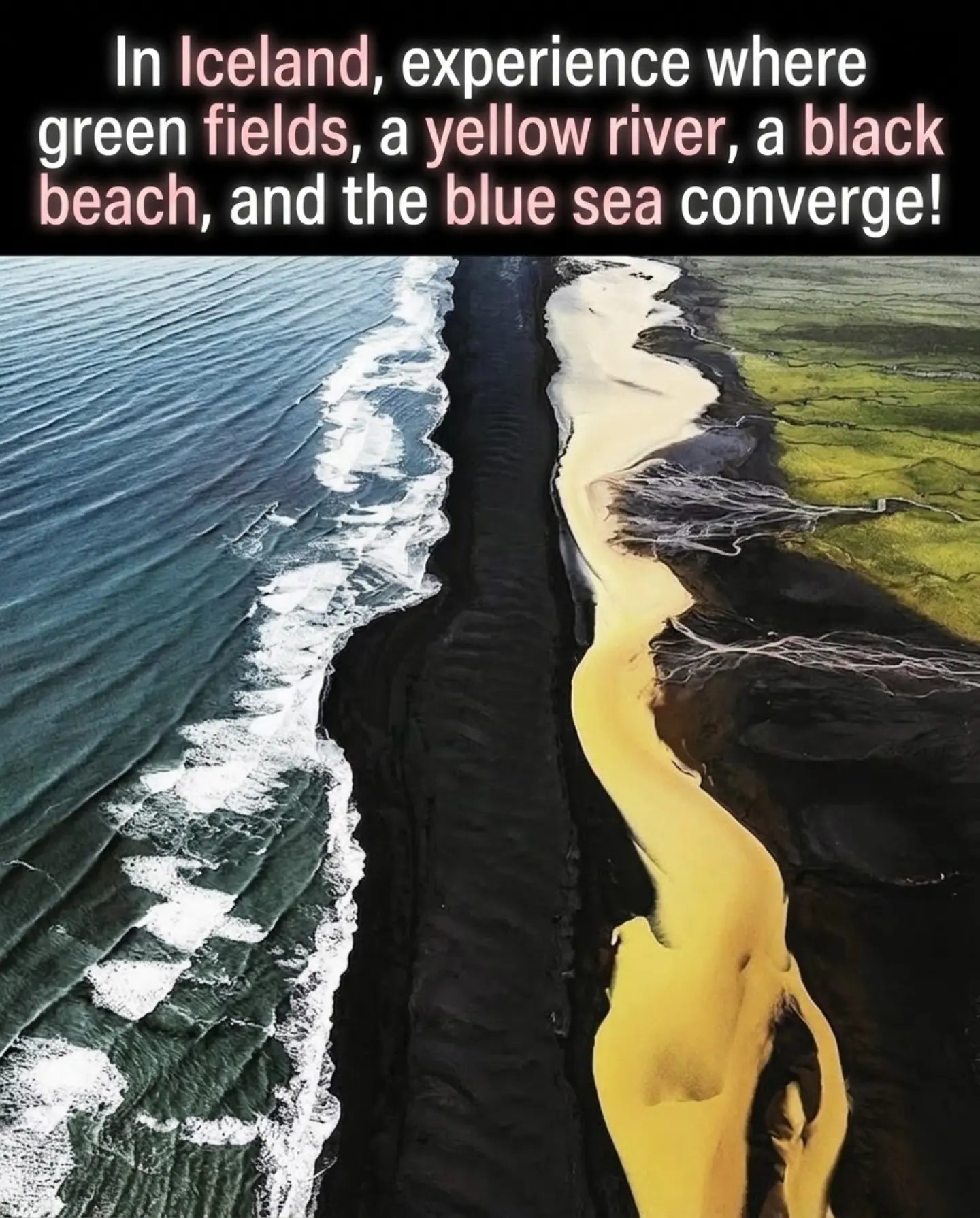
Iceland's landscape is a masterclass in nature's artistic prowess, where the forces of geology, hydrology, and biology converge to create a symphony of colors and forms. From the vibrant green of lush fields to the stark black of volcanic beaches, and the golden hues of a mineral-rich river, this unique environment showcases the striking beauty of Iceland's south coast. The blue sea serves as a dynamic boundary, completing a landscape so unique it must be seen from above to truly appreciate its scale.
Context
Iceland's landscape is a testament to the power of volcanism and glacial activity, with diverse geological formations. These elements combine to create a landscape that is both breathtaking and scientifically fascinating. Additionally, Iceland's dramatic climate and isolated location have helped preserve its unique ecosystems, making it a haven for natural wonders.
The Convergence: Four Distinct Worlds
Blue Sea and White Foam
The blue sea surrounding Iceland extends from the Arctic Circle to the North Atlantic Ocean. The cold, deep waters create a dynamic boundary where waves crash against the shore, generating the white foam. This foam, a result of the sea's energy, contrasts sharply with the dark basalt rock formations.
Black Sand Beach
The black sand beach is a striking feature of Iceland's coast. This unique landscape is a result of the volcanic activity that has shaped the island over thousands of years. When lava from volcanic eruptions meets the freezing ocean, it shatters into fine, dark basalt glass, creating the black sand beaches.
Yellow River
The yellow river in Iceland is a geological marvel. Unlike rivers filled with mud, this one is a glacier-fed river, carrying a vast amount of sulfur-rich minerals and volcanic sediment. The sediment leached from geothermal hotspots gives the river a distinctive golden hue, making it appear like liquid gold. This geological phenomenon is a testament to the island's active volcanic and geothermal activity, which creates a unique and striking landscape.
Green Fields
The green fields in Iceland are a testament to nature's resilience. The moss and grasses that grow over old lava fields in this harsh climate are a vibrant green, adding a stark contrast to the black sand beaches and yellow rivers. These fields are a result of the island's unique climate, which supports the growth of hardy vegetation even in the most challenging conditions.
Dramatic Beauty of the Icelandic Terrain
The Icelandic terrain is a result of the island's geology, climate, and unique ecosystems. The convergence of these elements creates a landscape that is both beautiful and scientifically fascinating.
Volcanic Activity
Iceland's landscape is shaped by its volcanic activity. The island sits on the Mid-Atlantic Ridge, where the Eurasian and North American tectonic plates are slowly pulling apart. This geologic activity has created a landscape of volcanoes, geysers, and hot springs, which contribute to the island's unique ecosystems and geological formations.
Glaciers and Rivers
Iceland's glaciers and rivers are a significant part of its landscape. The glaciers, which cover about 10% of the island, are a result of Iceland's cool, wet climate. The rivers, which are fed by the melting glaciers, carry sediment and minerals that contribute to the island's unique ecosystems and geological formations.
Climate and Ecosystems
Iceland's climate and ecosystems are unique, with a cool, wet climate that supports the growth of hardy vegetation, including moss, and grasses. The island's isolated location and lack of human development have also helped preserve its unique ecosystems, making it a haven for natural wonders.
Practical Tips
Visiting Iceland to witness the convergence of these four distinct worlds up close offers a profound experience. Here are some practical tips to make the most of your journey.
Best Time to Visit
The best time to visit Iceland is during the summer months from June to August. The weather is milder, and the days are longer, providing more daylight to explore the landscape. However, if you're interested in seeing the Northern Lights, the winter months offer a unique experience.
How to Get There
Flights to Iceland are available from many international airports. The capital city, Reykjavik, is a popular destination for travelers, and it serves as a base for exploring the surrounding landscape.
Planning Your Route
To see the unique convergence of the blue sea, black sand beach, yellow river, and green fields, plan a route that takes you along the south coast of Iceland. This will allow you to visit popular destinations like the Golden Circle, where you can see geysers and hot springs, as well as the black sand beaches of Reynisfjara.
Packing for the Trip
When packing for Iceland, it's essential to be prepared for a variety of weather conditions. Pack layers, waterproof gear, and sturdy hiking boots to ensure you can comfortably explore the landscape. Don't forget to bring a camera to capture the stunning beauty of the Icelandic terrain.
Important Takeaways
Iceland's landscape is a breathtaking confluence of natural wonders. The unique geological formations, like the black sand beaches and yellow rivers, are a testament to the power of volcanic and glacial activity. Additionally, the hardy vegetation and dynamic sea create a landscape that is both beautiful and scientifically fascinating. This convergence of elements, found on Iceland’s south coast, is a rare viewpoint that must be seen from above to truly appreciate the scale and the dramatic beauty of the Icelandic terrain.
Conclusion
From the vibrant green fields to the stark black sand beaches and the golden hues of the yellow river, Iceland's landscape is a masterpiece of nature's artistic prowess. The blue sea serves as a dynamic boundary, completing a landscape so unique it must be seen from above. Whether you're a nature enthusiast, a geology buff, or simply a lover of stunning vistas, Iceland's dramatic beauty is a must-see destination.
Questions readers ask
What causes the unique black color of Iceland's sand beaches?
The black sand beaches in Iceland are a result of volcanic activity. Lava from volcanic eruptions flows into the ocean and cools rapidly, fracturing into tiny fragments that accumulate as sand. This process, repeated over time, creates the distinctive black sand beaches that contrast starkly with the surrounding landscape.
What makes Iceland's rivers appear golden?
Iceland's rivers often appear golden due to the high mineral content of the water. These minerals, such as iron and sulfur, are deposited by the rivers as they flow through volcanic landscapes. The unique coloration is a visible testament to the geologic processes that shape Iceland's terrain.
What are Iceland's green fields?
The green fields in Iceland are a product of rich soil and abundant water. Despite Iceland's cool climate, the country's geothermal activity and frequent rainfall create ideal conditions for lush vegetation. The vibrant green landscapes stand out against the backdrop of black sand and blue sea.
Why is the sea around Iceland's south coast considered dynamic?
The sea around Iceland's south coast is dynamic due to its ever-changing nature, influenced by strong currents, tides, and weather patterns. This dynamic environment shapes the coastline and contributes to the unique geological features of the region, such as cliffs and sea arches.
What can you see when you see the four worlds of Iceland side by side?
When viewing the four worlds of Iceland side by side, you witness a landscape where the blue sea meets black sand beaches, golden rivers, and green fields. This convergence creates a striking visual display. The best way to appreciate the full scale of this phenomenon is from above, where the distinct colors and forms of these natural elements can be seen in their entirety.
Why is Iceland's south coast such a unique landscape?
Iceland's south coast is unique due to the convergence of four distinct natural elements: the blue sea, black sand beaches, golden rivers, and green fields. This rare combination is a result of the region's complex geology, hydrology, and biology, which together create a visually stunning and scientifically intriguing landscape.
Related deep dives
Similar reads based on topic and creator.




Recent articles
Fresh deep dives from the latest Reels we unpacked.



Comments
Be the first to comment.