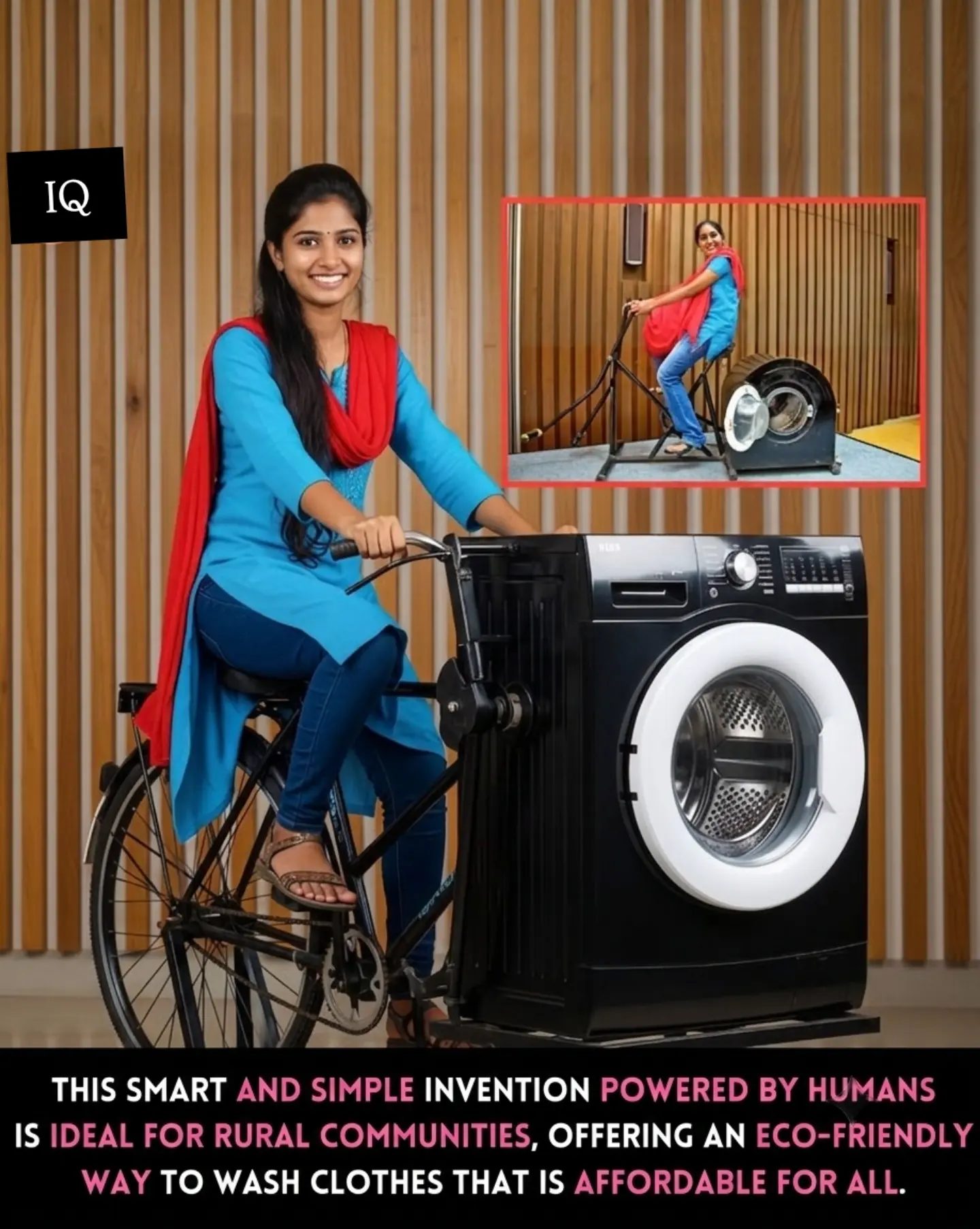
Human-Powered Washing Machines: An Eco-Friendly Solution for Rural Communities
Human-powered washing machines offer a unique and ingenious solution for rural communities worldwide. These innovative devices combine the simplicity of bicycle mechanics with the functionality of a washing machine, providing an affordable, eco-friendly way to wash clothes. Unlike traditional electric models, human-powered washing machines rely on manual power, making them ideal for areas with limited access to electricity.
Why This Matters
In many rural communities, access to reliable electricity is a significant challenge. This lack of power can make operating electric appliances, including washing machines, difficult or impossible. Additionally, the environmental impact of using electricity for washing clothes can be substantial, contributing to carbon emissions and environmental degradation. Human-powered washing machines address both of these issues by providing a sustainable and cost-effective alternative.
The Mechanics of Human-Powered Washing Machines
Design and Functionality
Human-powered washing machines typically consist of a drum similar to that of a traditional washing machine, but instead of being powered by electricity, it is driven by a bicycle-like mechanism. The user sits on a seat and pedals, transferring the mechanical energy generated by the pedaling motion to the washing drum. This design is not only simple but also effective in providing the necessary agitation to clean clothes.
Components
The key components of a human-powered washing machine include:
- Pedal Mechanism: Similar to a bicycle, this component allows the user to generate mechanical energy.
- Driving System: This system transfers the energy from the pedals to the washing drum.
- Washing Drum: This is where the clothes are placed for washing.
- Agitation System: This part ensures that the clothes are properly cleaned by mimicking the washing action of traditional machines.
- Water and Detergent Containers: These are integrated into the design to provide the necessary cleaning solution.
Advantages
Human-powered washing machines offer several advantages, particularly for rural communities:
- Cost-Effective: Since they do not require electricity, these machines are more affordable to operate and maintain.
- Eco-Friendly: By relying on human power, they reduce the carbon footprint associated with electricity generation.
- Accessibility: Ideal for areas with limited or no access to electricity.
- Durability: The simplicity of the design makes these machines more durable and easier to repair.
Practical Tips for Using a Human-Powered Washing Machine
Setting Up
- Find the Right Location: Choose a flat, stable surface to place the washing machine. Ensure there is enough space around it for easy access and use.
- Fill the Water and Detergent: Depending on the model, you may need to fill the water and detergent containers before starting the washing process.
- Adjust the Settings: Some models may have adjustable settings for the amount of agitation and water level. Make sure to set these according to the load of clothes and the level of dirtiness.
Operating
- Pedaling Technique: Start by sitting comfortably on the seat and begin pedaling at a steady pace. The more consistent your pedaling, the better the washing action.
- Monitoring the Process: Keep an eye on the drum to ensure that the clothes are being agitated properly. Adjust the pedaling speed if necessary.
- Draining the Water: Once the washing cycle is complete, drain the dirty water. Some models may have a built-in draining system, while others may require manual draining.
Maintenance
- Regular Cleaning: Clean the washing drum and other components regularly to prevent the buildup of dirt and grime.
- Lubrication: Ensure that the pedal mechanism and driving system are well-lubricated to keep them functioning smoothly.
- Check for Wear and Tear: Periodically inspect all components for signs of wear and tear. Replace any damaged parts promptly to maintain the machine's efficiency.
Important Takeaways
Human-powered washing machines represent a significant innovation in the realm of household appliances, particularly for rural communities. They offer a practical solution to the challenges of electricity access and environmental sustainability. By leveraging human power, these machines provide an affordable, eco-friendly way to keep clothes clean.
Conclusion
The human-powered washing machine is more than just an invention; it is a testament to the power of innovation and sustainability. By offering an affordable, eco-friendly solution to a common household chore, these machines have the potential to transform the lives of people in rural communities. As the world continues to seek sustainable solutions, human-powered washing machines stand as a beacon of what is possible with simple, yet effective design.
Questions readers ask
How do human-powered washing machines work?
Human-powered washing machines use a combination of bicycle mechanics and washing machine functionality. Users pedal the machine, which in turn spins the drum to clean clothes. This manual power allows the machine to operate without electricity, making it ideal for rural areas with limited power access.
What are the benefits of using a human-powered washing machine in rural areas?
Human-powered washing machines provide an affordable and eco-friendly laundry solution. They reduce the need for electricity, making them perfect for off-grid communities. Additionally, they offer a sustainable way to wash clothes, reducing the environmental impact of laundry in rural areas.
Can a human-powered washing machine be as effective as an electric one?
Yes, human-powered washing machines can be quite effective. While they may not offer the same conveniences as electric models, they can still clean clothes thoroughly. The cleaning process is similar, involving agitation and spinning, but it requires manual effort to operate.
Are human-powered washing machines suitable for large families?
Human-powered washing machines are generally more suitable for smaller households. They have smaller capacities compared to electric models, which makes them less ideal for large families or frequent, large loads. However, some models are designed to handle more significant laundry loads.
How can I build or acquire a human-powered washing machine for my community?
Building a human-powered washing machine requires basic mechanical and bicycle repair skills. You can find various DIY plans online or consult with local mechanics. Alternatively, you can purchase pre-made models from manufacturers specializing in eco-friendly, off-grid appliances.
How does a human-powered washing machine help the environment?
Human-powered washing machines help the environment by reducing the demand for electricity. This leads to lower greenhouse gas emissions from power plants, especially in regions that rely on fossil fuels for electricity. Additionally, they eliminate the need for detergent use in areas where local water sources are affected by pollutants.
Related deep dives
Similar reads based on topic and creator.



Recent articles
Fresh deep dives from the latest Reels we unpacked.




Comments
Be the first to comment.