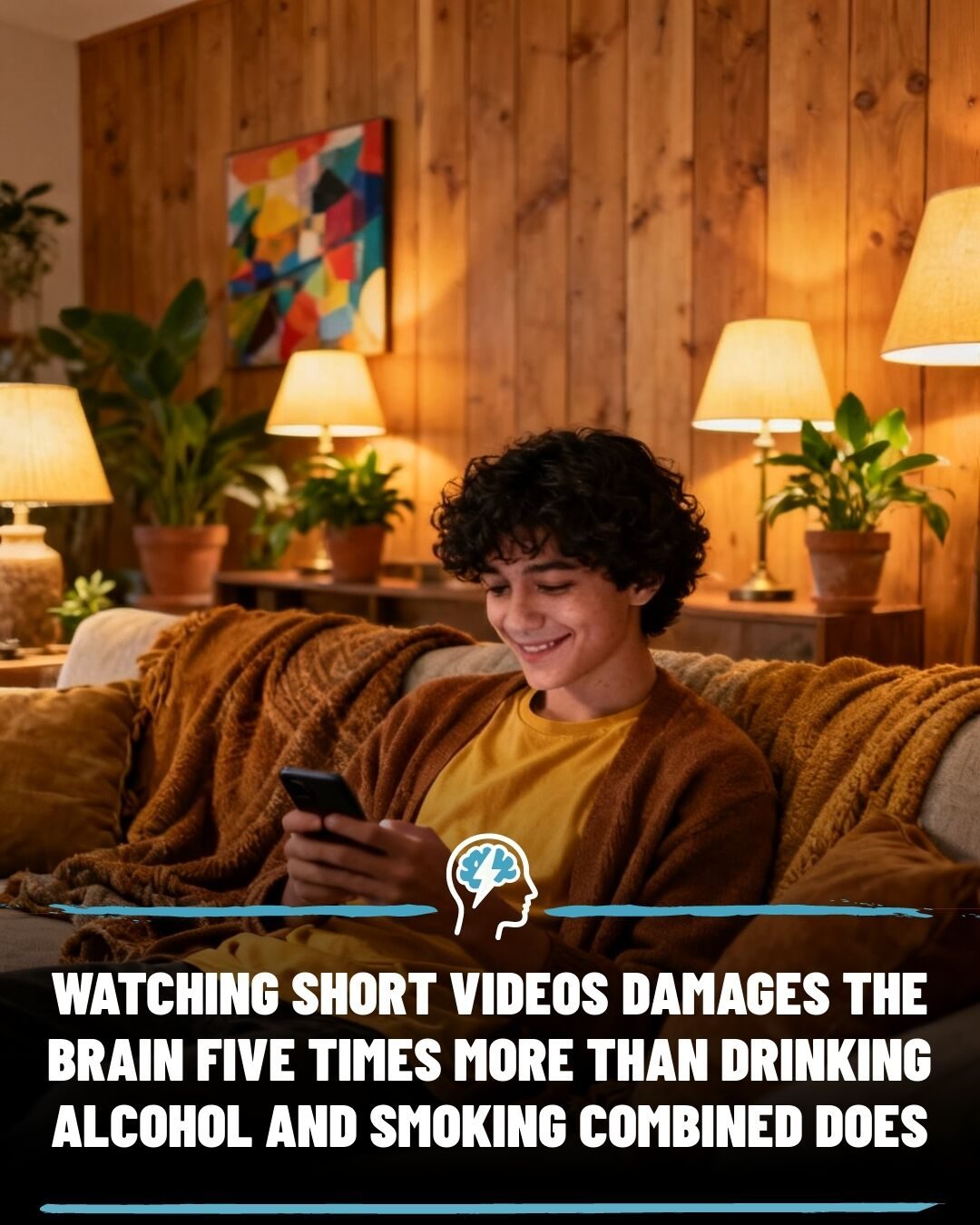
The Impact of Short Videos on Brain Function
Short videos have become a dominant form of entertainment and information consumption, especially among younger generations. Research indicates that excessive use of platforms like TikTok and Reels could affect mental processes and brain structure. This link between short-form video consumption and changes in the brain raises questions about the potential long-term effects and how we might mitigate them.
Why This Matters
Understanding the impact of short videos on the brain is crucial, given their pervasive role in modern digital culture. They have become a staple for both entertainment and information. However, the potential negative effects on cognitive function suggest that awareness of media consumption habits is not just an issue of managing screen time but of maintaining mental health.
The Science Behind Short Videos and Brain Function
Cognitive Impacts of Short Videos
Research has shown that heavy users of short-form video platforms score lower on tests of attention, inhibitory control, and working memory. These cognitive functions are essential for tasks like reading, studying, planning, and maintaining focus. The rapid stimulation from short videos can interfere with these crucial mental processes.
The Role of the Brain's Reward System
Short videos deliver rapid dopamine hits. Dopamine is a neurotransmitter associated with the brain's reward and pleasure centers. Over time, this constant stimulation can train the brain to expect immediate gratification, making slower, more effortful tasks feel increasingly difficult. This is particularly concerning for activities that require sustained attention and effort, such as reading or deep work.
Structural Changes in the Brain
Neuroimaging research has revealed heightened activity in reward-processing areas among heavy users of short videos. Additionally, structural differences have been observed in regions associated with decision-making and emotional regulation. These findings suggest that prolonged exposure to short-form content may lead to habituation, where the brain becomes dependent on constant stimulation.
Practical Tips for Managing Short Video Consumption
Establishing Healthy Viewing Habits
Limiting the time spent on short-form video platforms is a practical first step. Setting specific times for consuming content and taking regular breaks can help mitigate potential negative effects. Using apps or browser extensions to monitor screen time can provide accountability.
Incorporating Varied Mental Stimulation
Balancing short-form video consumption with activities that require patience and sustained attention can support cognitive health. This might include reading, puzzles, or even mindfulness practices that encourage focused awareness.
Creating Media-Free Zones
Designating spaces or times as media-free zones can help break the cycle of constant stimulation. These zones can be physical spaces, like a bedroom or a specific room, or time-based, like during meals or before bed.
Important Takeaways
Awareness and Balance
The key takeaway is awareness, not alarm. Understanding how rapid content may affect attention and self-control can help in making more intentional choices about media consumption. Building in time for slower, focused activities can help support cognitive balance.
Variety in Mental Stimulation
Incorporating a variety of mental activities, including those that require patience and sustained attention, can help maintain flexibility. The brain adapts to the types of stimulation it receives, so a balanced approach to media consumption is beneficial.
Conclusion
Short videos are a popular and engaging form of media, but their impact on the brain warrants attention. While they are not inherently harmful, the potential for negative effects on cognitive function and brain structure should be considered. By understanding the mechanisms behind these impacts and adopting balanced consumption habits, you can enjoy the benefits of short videos while supporting overall mental health.
Questions readers ask
How do short videos affect attention span?
Short videos, typically lasting less than a minute, can train the brain to expect quick, immediate stimulation. This can lead to reduced attention span, making it harder to focus on longer tasks or content that requires sustained concentration. Over time, this can result in a constant need for quick gratification, even in non-digital activities.
Can memory be impacted by frequent use of short video platforms?
Yes, frequent use of platforms like TikTok and Reels can affect memory, particularly the ability to retain information over longer periods. Short videos often provide rapid, fragmented information, which can make it harder to consolidate and recall details. This is because the brain is not given enough time to process and store information effectively.
How do short videos alter brain structure?
Research suggests that heavy use of short video platforms may alter brain structure, particularly in areas related to attention, reward, and habit formation. This can lead to changes in neural pathways, making the brain more susceptible to cravings for instant gratification and constant stimulation.
What are the potential mental health effects of consuming short videos?
Excessive use of short videos can impact mental health, leading to increased levels of anxiety, stress, and even depression. The constant exposure to curated, often idealized content can also lead to feelings of inadequacy and lower self-esteem. Additionally, the addictive nature of these platforms can contribute to sleep disturbances and decreased overall well-being.
Are there any studies that link short video use to cognitive changes?
Several studies have explored the cognitive effects of short video platforms. For instance, research has shown that these videos can lead to a decrease in sustained attention and an increase in impulsivity. Other studies indicate that the constant stimulation from short videos can alter the brain's reward system, leading to a need for more frequent and intense content to achieve the same level of satisfaction.
How can we mitigate the negative effects of short video consumption?
To mitigate the negative effects, consider setting specific times for using these platforms and sticking to them. Additionally, balance short video use with activities that require longer attention spans, such as reading or engaging in hobbies. Taking regular breaks and engaging in mindful activities can also help reduce the impact on cognitive function and mental health.
Related deep dives
Similar reads based on topic and creator.




Recent articles
Fresh deep dives from the latest Reels we unpacked.




Comments
Be the first to comment.