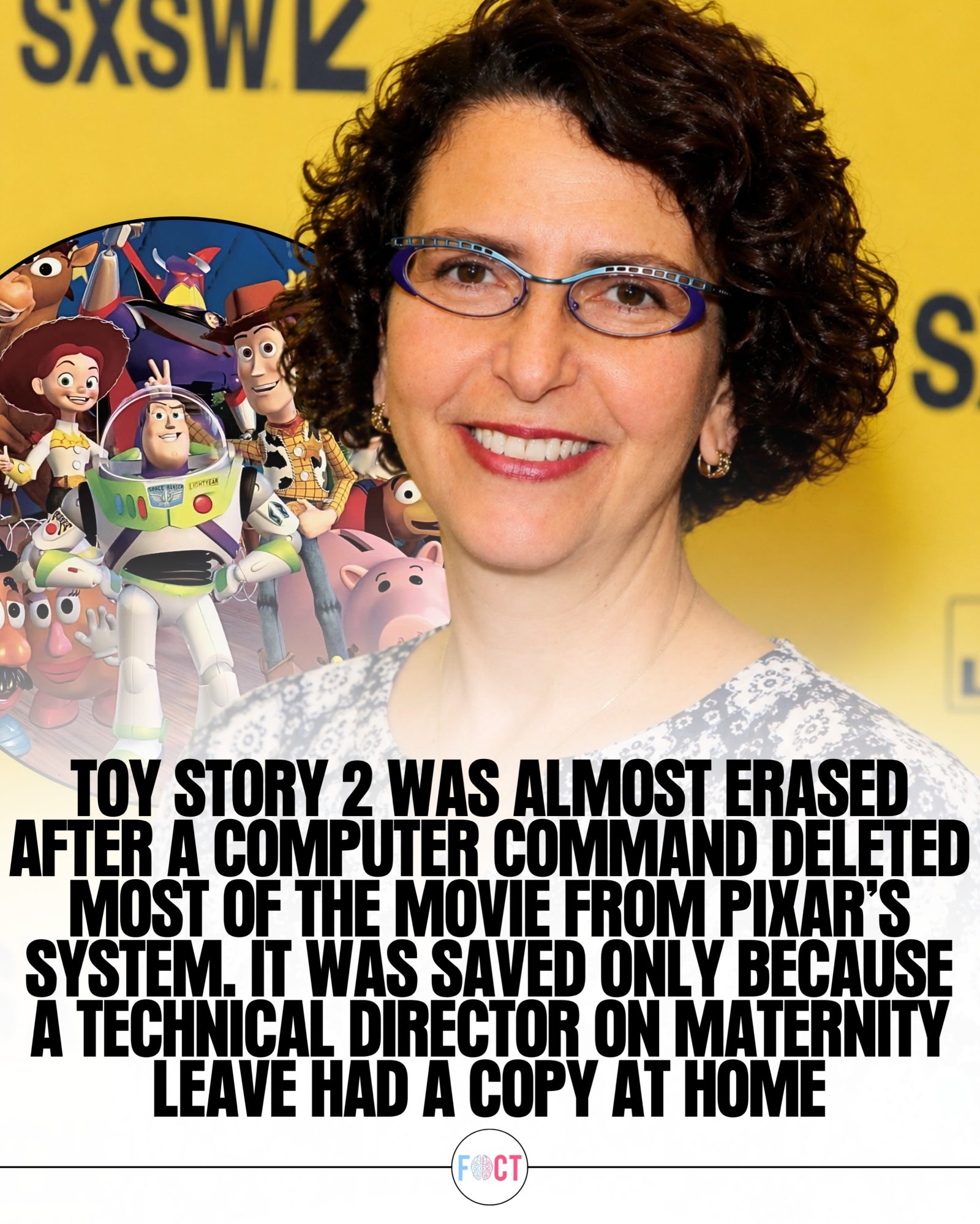
The Near-Death of Toy Story 2: A Pivotal Moment in Pixar's History
When Pixar embarked on the creation of Toy Story 2, the studio was already riding high on the success of the original film. But during production, a catastrophic near-miss occurred: an accidental command began deleting the movie’s files from the studio’s system. This crisis, which saw characters, sets, and animations vanish, put the film in grave danger. How the studio managed to salvage the project and the lessons learned from this harrowing experience is a fascinating story that highlights the resilience and ingenuity of the Pixar team.
Why This Matters
The story of Toy Story 2's near loss is more than just a dramatic narrative. It underscores the importance of robust backup systems and the critical role of individual efforts in safeguarding creative work. This event serves as a reminder of the vulnerabilities inherent in digital media production and the human factor that can turn potential disasters into success stories.
The Crisis Unfolds
The Accidental Command
During the production of Toy Story 2, a single, ill-fated computer command set off a chain reaction that almost erased the entire film. The command initiated a process that systematically deleted files from Pixar's system. Characters, sets, and animations—years of meticulous work—started disappearing before the team could react. The panic was palpable as the realization sunk in that a significant portion of the film had been lost.
The Backup Failure
Pixar's initial response was to attempt a restoration from their backup system. However, this secondary safety net had its own issues: the backup system had been failing, leaving the studio in a precarious position. The team found that the backups were incomplete or corrupted, making restoration nearly impossible. This double blow—first the deletion, then the failed backup—left the project hanging by a thread.
Galyn Susman's Lifesaving Copy
Just as all seemed lost, a crucial memory surfaced. The team remembered that Galyn Susman, a technical director who was on maternity leave, had a copy of the movie on her personal computer. Susman, working from home, had a complete copy of the film. This serendipitous circumstance turned out to be the only viable means of saving Toy Story 2 from digital oblivion.
The Rescue Operation
Pixar had to act swiftly and carefully. The film’s fate rested on the delicate operation of retrieving Susman’s computer and ensuring that the copy was intact. The team carefully transported the computer back to the studio, where it was used to restore the lost files. The process was meticulous, with every bit of data scrutinized to ensure the integrity of the film.
Practical Tips for Content Creators
Backup Strategies
The Toy Story 2 incident is a stark reminder of the importance of reliable backup strategies. Here are some practical tips:
- Multiple Backup Systems: Use multiple backup systems to ensure redundancy. This means having backups on cloud services, external hard drives, and other storage media.
- Regular Updates: Regularly update your backups to ensure they capture the latest changes and additions to your work.
- Verification: Periodically verify that your backups are working correctly. This involves testing the restorability of your data.
- Redundancy: Keep multiple copies of your data in different locations. This can protect against both physical and digital disasters.
Human Element in Data Security
While technology is essential, the human factor can be equally crucial:
- Documentation: Maintain thorough documentation of your data management processes, including who has copies of critical files and where these copies are stored.
- Communication: Ensure clear communication among team members about backup responsibilities and protocols.
- Personal Copies: In scenarios where team members are working remotely, it can be beneficial to keep personal copies of crucial files. This was literally the case with Toy Story 2.
Offsite Storage
The concept of offsite storage—keeping copies of your work in different locations—can be a lifesaver. This strategy mitigates the risk of data loss due to localized issues, whether they are technical failures, natural disasters, or other unforeseen events.
Important Takeaways
- Backup Redundancy: Always have multiple backup systems in place. Don't rely on a single method or location for your backups.
- Regular Maintenance: Regularly update and verify your backups to ensure they are functional and up-to-date.
- Communication: Maintain open lines of communication within your team regarding data management practices and backup responsibilities.
- Human Backup: Sometimes, individual efforts can save the day. Encourage team members to keep personal copies of essential files, especially when working remotely.
Conclusion
The near-death of Toy Story 2 is a gripping tale of crisis and recovery, illustrating the importance of robust data management strategies. The incident at Pixar highlights the need for meticulous backup systems, regular maintenance, and clear communication among team members. By learning from this experience, content creators can better safeguard their work and ensure that their projects are protected from unexpected disasters.
Questions readers ask
What caused the near-loss of Toy Story 2 at Pixar?
The near-loss of Toy Story 2 was due to an accidental command that began deleting the movie’s files from Pixar’s system during production. This incident led to the sudden disappearance of characters, sets, and animations, putting the entire project at risk.
How was Toy Story 2 ultimately saved from deletion?
Toy Story 2 was ultimately saved when a maternity leave copy of the film was discovered. This copy, stored on a home computer, allowed the Pixar team to recover the lost work and complete the movie.
What role did the Pixar team's resilience play in the recovery of Toy Story 2?
The Pixar team’s resilience was crucial in the recovery of Toy Story 2. Despite the catastrophic loss, the team’s quick thinking and determination to salvage the project ensured that the film could still be completed.
What lessons did Pixar learn from the near-loss of Toy Story 2?
From the near-loss of Toy Story 2, Pixar learned the importance of having multiple, reliable backup systems. This experience underscored the need for robust safeguards to protect creative work from technical issues.
Who was the director of Toy Story 2 during this critical period?
The director of Toy Story 2 during this critical period was John Lasseter. He played a key role in leading the team through the crisis and ensuring the film's completion.
What steps should creative studios take to prevent similar incidents in the future?
Creative studios should implement redundant backup systems, regularly test these backups, and ensure that critical files are stored in multiple, secure locations. This includes both on-site and off-site storage solutions to safeguard against data loss.
Related deep dives
Similar reads based on topic and creator.




Recent articles
Fresh deep dives from the latest Reels we unpacked.




Comments
Be the first to comment.