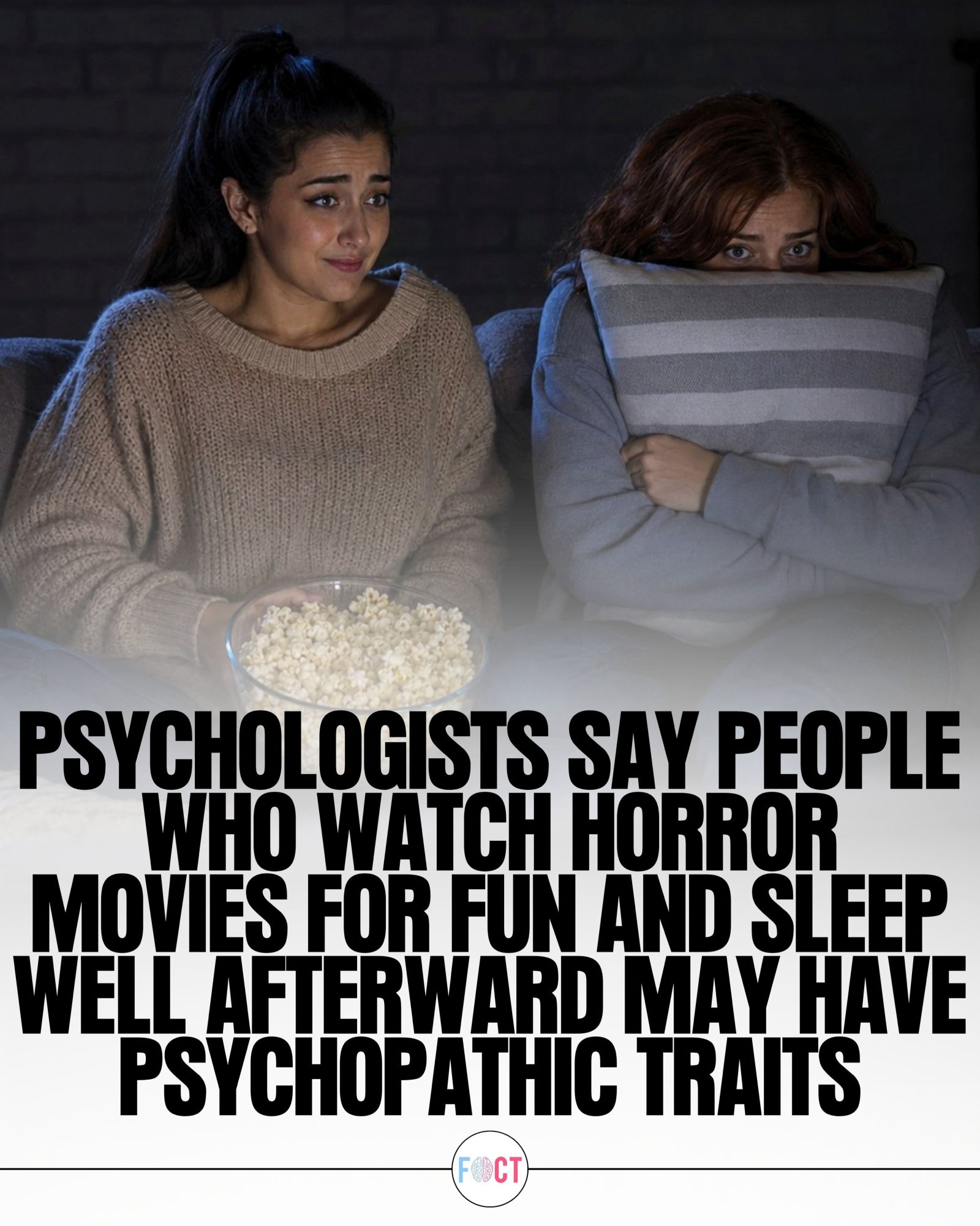
Horror Movie Watchers and the Fear Response
Understanding the psychology behind enjoying horror movies isn't just about thrill-seeking. There are physiological and psychological factors at play. Specifically, researchers have delved into the differences in fear processing between those who enjoy horror films and those who do not. The primary finding: those who can watch horror movies and fall asleep easily may process fear differently than others, showing traits that could be associated with psychopathy.
Why This Matters
For horror movie enthusiasts, the ability to sleep well after a frightful film isn't just a matter of resilience. It's a psychological and physiological phenomenon. Understanding this phenomenon can shed light on how the brain processes fear and stress, offering insights into broader psychological profiles. This aspect of the horror movie experience touches on the complex interplay between stress hormones, heart rate, and the emotional response.
The Physiology of Fear
Stress Hormones
Horror movies are designed to induce fear, which triggers a release of stress hormones like cortisol and adrenaline. For most viewers, this reaction is part of the thrill. The physiological response includes increased heart rate, heightened alertness, and a surge in adrenaline. This is your body's natural "fight or flight" response. However, for those who can drift off to sleep shortly after a horror movie, this response is muted.
Heart Rate Variability
Heart rate variability (HRV) is another key indicator of how the body responds to stress. In a typical viewer, HRV increases significantly during frightening scenes, reflecting the body's heightened readiness to react. For those who enjoy horror movies and sleep well afterward, HRV might stabilize more quickly, indicating a faster return to a state of calm.
Psychological Traits in Horror Movie Fans
Psychopathy and Fear Response
The connection between enjoying horror movies and psychopathic traits is a nuanced one. It's important to note that this doesn't mean horror fans are psychopathic. Rather, it suggests that some individuals may share certain characteristics with those who exhibit psychopathic traits. These traits include a muted fear response, which allows them to remain calm and even fall asleep after watching a horror film.
Emotional Regulation
Emotional regulation plays a significant role. People who enjoy horror movies might have better emotional control, allowing them to manage their fear responses more effectively. This doesn't imply they lack empathy or are incapable of feeling fear; instead, it suggests they have developed mechanisms to cope with intense emotional stimuli more efficiently.
Practical Tips for Horror Movie Enthusiasts
Choose the Right Time
Watching a horror movie at night can be an exhilarating experience. However, for those who find it hard to fall asleep afterward, consider scheduling your movie sessions for earlier in the day. The adrenaline rush can keep you awake, and daytime viewing might help mitigate this effect.
Create a Comforting Environment
A cozy, comforting environment can help manage the stress response. Dim the lights, wrap yourself in a cozy blanket, and have some calming snacks on hand. The familiarity and comfort can help offset the physiological impact of the movie.
Share the Experience
Watching horror movies with friends or family can make the experience more enjoyable and less stressful. The shared laughter, gasps, and reactions can turn the viewing into a social event, reducing the intense emotional impact.
Take Breaks
If the movie becomes too intense, take breaks. Pause the film, step away from the screen, and engage in a calming activity like deep breathing or stretching. This can help regulate your stress hormones and heart rate.
Engage in Relaxation Techniques
Practicing relaxation techniques before and after watching a horror movie can help manage your fear response. Techniques such as mindfulness meditation, progressive muscle relaxation, or yoga can prepare your body to handle the stress more effectively.
Important Takeaways
Understanding the psychological and physiological responses to horror movies can enhance the viewing experience. It's not just about getting scared; it's about how your body and mind respond to that fear. By recognizing the unique physiological responses and emotional regulation involved, you can better appreciate the complex interplay between entertainment and psychology.
Moreover, the fact that some individuals can sleep well after a horror movie underscores the diversity in how people process fear. This diversity highlights the importance of individual differences in stress response and emotional regulation.
Conclusion
Horror movies offer a unique glimpse into the human mind, revealing how different people process fear and stress. For those who enjoy these films and can sleep well afterward, it's a testament to their emotional regulation and physiological resilience. By understanding these mechanisms, viewers can better enjoy their favorite horror films while also gaining insights into their own psychological makeup.
Questions readers ask
Why do some people sleep well after watching horror movies?
Some individuals may sleep well after watching horror movies due to differences in their fear response. This could indicate variations in heart rate, stress hormone levels, and psychological traits, such as those associated with psychopathy. It's not just about resilience, but also about how the brain processes and manages fear.
What physiological differences might horror movie enthusiasts have?
Those who can fall asleep easily after a horror film may have unique physiological responses to fear. These differences can include lower stress hormone levels and a different heart rate response compared to those who have a harder time sleeping.
How do horror movies impact stress levels?
Horror movies can impact stress levels differently depending on the viewer. For some, especially those who enjoy these films, the stress response might be muted, allowing them to sleep well afterwards. For others, the stress response might be more pronounced, affecting their ability to relax and sleep.
What psychological traits are associated with enjoying horror movies?
Enjoyment of horror movies has been linked to certain psychological traits, such as those associated with psychopathy. These traits can influence how a person processes and responds to fear, making it easier for them to tolerate and even enjoy frightening content.
Can watching horror movies be harmful for some people?
Yes, for some individuals, watching horror movies can be harmful. It can increase stress and anxiety levels, disrupt sleep patterns, and have a lasting impact on their psychological well-being. This is especially true for those who do not enjoy horror films and have a more pronounced fear response.
How does the brain process fear when watching horror movies?
The brain processes fear in various ways while watching horror movies. For some, it triggers a typical fear response with elevated heart rate and stress hormones. However, for those who enjoy horror, the brain may process fear differently, allowing them to remain calm and even sleep well afterwards.
What does the heart rate say about a person's fear response to horror films?
Heart rate can provide insights into a person's fear response. Those who can sleep well after a horror movie might have a different heart rate response, indicating that their fear processing mechanisms are different from those who struggle to sleep after watching a frightening film.
Related deep dives
Similar reads based on topic and creator.

Recent articles
Fresh deep dives from the latest Reels we unpacked.




Comments
Be the first to comment.