High-Paying, Hazardous Jobs: The Reality of Extreme Work
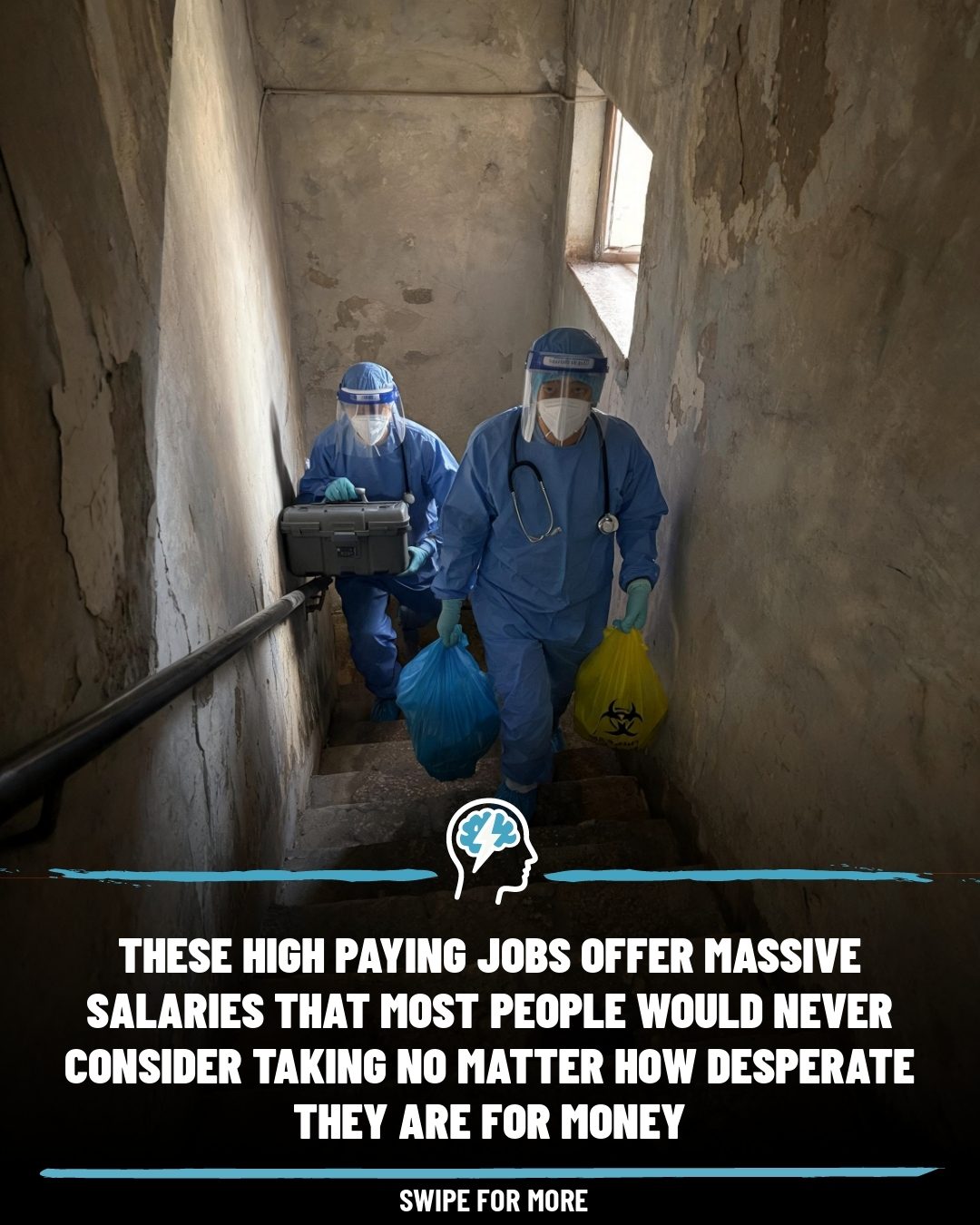
Hazardous jobs that require wading through raw sewage or working in radioactive environments are not for the faint-hearted. Yet, these roles offer some of the highest salaries in the job market. The allure of a six-figure income can be tempting, but the work involved is grueling, dangerous, and often repellent to most people. This guide delves into the world of hazardous jobs, exploring why they pay so well and what it takes to thrive in these extreme environments.
Why This Matters
Understanding the realities of hazardous jobs provides a clearer picture of the Labour market. It highlights the significant risks workers take to earn high salaries and the specialized skills required for these roles. Moreover, it underscores the value of hard labor in maintaining critical infrastructure and public health.
Main Discussion
Technical Skills in Extreme Environments
Underwater Welding
Underwater welding is one of the most demanding jobs in the world. Welders work in near-zero visibility, fixing pipelines and rigs underwater. They use specialized welding torches and must be certified in both welding and diving. The risks are immense, including decompression sickness, electrical shock, and drowning. Despite these dangers, underwater welders can earn a median salary of about fifty-five thousand a year. The job requires precision, safety, and a stomach for life-threatening conditions.
Nuclear Plant Diving
Nuclear plant divers face an equally challenging environment. They inspect and repair components in radioactive pools, where even a small error can lead to severe health consequences. Divers must track every minute of their exposure to radiation, adding a layer of psychological stress to the physical demands. The pay reflects the high level of risk and specialized training required for the job.
Biohazards and Infrastructure
Some of the most crucial yet unglamorous jobs involve handling biohazards and maintaining city infrastructure.
Sewer Divers
Sewer divers clear blockages and repair infrastructure in cramped, contaminated tunnels. Working knee-deep in raw sewage is not for everyone, but the job is in high demand. Sewer divers must have specialized certification and experience, and their pay reflects the health risks and unpleasant working conditions.
Crime Scene Cleaners
Crime scene cleaners handle biohazards and trauma, ensuring that crime scenes are safe and clean. They work under intense pressure, often dealing with gruesome scenes, and are compensated with high contract rates. The psychological toll of this job is significant, but for those who can handle it, the pay is substantial.
Mass Casualty Embalmers
Mass casualty embalmers work under intense pressure during large-scale tragedies, preparing the deceased for burial. The job requires a strong stomach and the ability to handle emotionally taxing situations. The compensation reflects the psychological and physical toll of the work.
High-Stakes Survival
Some jobs involve handling live explosives or working in Arctic sub-zero cold. These roles leave almost no room for error, and the pay reflects the immense risk.
Bomb Disposal Technicians
Bomb disposal technicians face immense psychological pressure. Their job involves defusing explosives, and one mistake can be fatal. The risks are high, but so is the pay, reflecting the critical nature of the work and the specialized skills required.
Arctic Oil Rig Workers
Arctic oil rig workers spend months isolated in brutal weather, ensuring that energy supplies keep moving. They endure extreme cold, long hours, and the constant threat of dangerous accidents. The pay is high, but the conditions are harsh, and the work is physically and mentally demanding.
Practical Tips
Skills Acquisition
- Certification: Many hazardous jobs require specialized certification. Underwater welding, for example, requires both welding and diving certifications. Research the necessary certifications for your desired role and invest time in acquiring them.
- Training: Continuous training is essential for staying updated with safety protocols and new technologies. Many employers offer training programs, but self-driven learning can also be beneficial.
- Physical Fitness: Maintaining a high level of physical fitness is crucial for jobs that involve hard labor and extreme physical demands.
Psychological Preparedness
- Mental Toughness: Working in hazardous environments requires a strong mind. Consider developing mental toughness through practices like mindfulness, meditation, or other stress-reduction techniques.
- Coping Mechanisms: Develop healthy coping mechanisms to handle the psychological stress associated with these jobs. This could include talking to a therapist, joining support groups, or engaging in hobbies that help you unwind.
Important Takeaways
- High Pay for High Risk: Hazardous jobs often come with high salaries to compensate for the significant risks and physical demands.
- Specialized Skills: These roles require specialized skills and certifications, making them less accessible to the general public.
- Physical and Psychological Toll: The work is physically demanding and can take a psychological toll, requiring workers to be both physically fit and mentally tough.
Conclusion
Hazardous jobs offer some of the highest salaries in the job market, but they come with significant risks and physical demands. Whether it's underwater welding, nuclear plant diving, or working as a bomb disposal technician, these roles require specialized skills, certifications, and a strong stomach for life-threatening conditions. For those who can stomach the conditions, these jobs pay off, especially for people who thrive under pressure.
Questions readers ask
What makes jobs in extreme environments so well-paid?
Jobs in extreme environments often come with high salaries due to the significant risks involved. These roles require workers to endure hazardous conditions, such as underwater welding or working in radioactive environments, which demand specialized skills and a strong tolerance for danger.
What kind of certification is needed for underwater welding?
Underwater welding typically requires specialized certification, such as the American Welding Society (AWS) Certification or the Commercial Diving Certification. These certifications ensure that divers have the necessary skills to perform welding tasks in extreme underwater conditions safely.
What are the risks associated with nuclear plant diving jobs?
Nuclear plant diving involves exposure to radioactive materials, which can pose serious health risks. Divers must undergo rigorous training and follow strict safety protocols to minimize these risks. These jobs require a high level of expertise and physical endurance.
Are there any jobs in extreme environments that do not require diving?
Yes, there are several jobs in extreme environments that do not require diving. For example, sewer repair jobs and jobs in nuclear power plants often involve working in hazardous conditions but do not require underwater work. These roles are still considered extremely demanding and high-paying.
How do workers prepare for jobs in extreme conditions?
Workers preparing for jobs in extreme conditions often undergo extensive training and certification programs. This preparation includes learning specialized skills, understanding safety protocols, and developing a high level of physical and mental resilience to handle the demanding nature of the work.
What are some of the highest paying extreme jobs?
Some of the highest paying extreme jobs include underwater welding, nuclear plant diving, and certain roles in sewer repair and hazardous waste management. These jobs offer significant salaries due to the high level of risk and the specialized skills required to perform them.
What are the physical demands of jobs in extreme environments?
Jobs in extreme environments often require a high level of physical fitness and endurance. Workers may need to endure extreme temperatures, work in confined spaces, and handle heavy equipment. The physical demands can be intense, and maintaining good health and fitness is crucial for these roles.
Related deep dives
Similar reads based on topic and creator.



Recent articles
Fresh deep dives from the latest Reels we unpacked.




Comments
Be the first to comment.