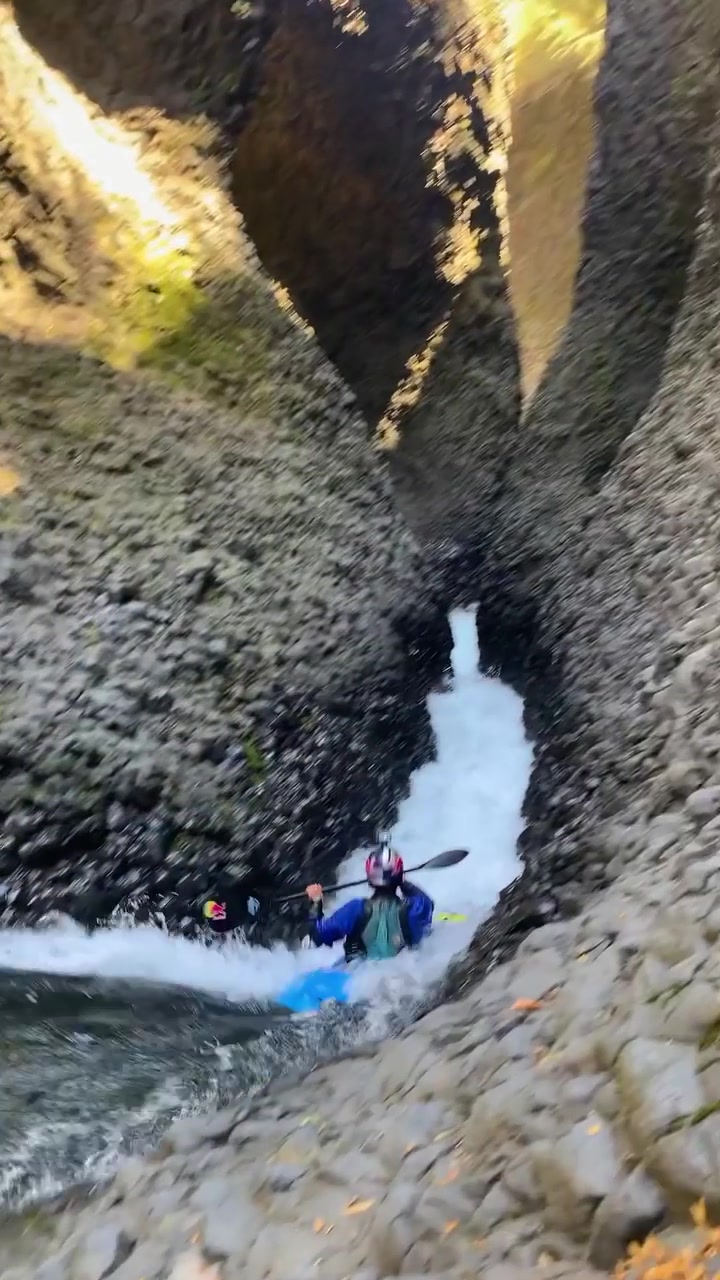
Under the crystalline blue sky, an experienced kayaker navigates the froth of roiling water, deftly manoeuvring through a narrow canyon. It is a stark reminder of how vital skill is when facing the natural world’s simplest forces. Kayaking through a narrow canyon like these is an aquatic dance where the river dictates the steps, and one wrong move can have drastic consequences. The challenge lies in the combination of unpredictable water conditions, confined spaces, and unforgiving obstacles. You're moving through a narrow flood corridor where even minor errors could result in a collision with rock walls or getting swept away by the current. Kayakers must possess extraordinary control over their vessel and have the ability to predict the river's ebbs and flows to make it through safely. The canyon itself adds another dimension to the challenge. The rock formations that hug the river create an eerie and breathtaking backdrop. They can also hide unseen dangers. These are not obstacles that can be easily circumvented, and they add to the overall challenge of the journey. They can also cause changes in how the river flows, which could surprise the kayaker. The challenge of kayaking in a narrow canyon is made more acute by the need to be flexible and adaptive. The kayaker has to constantly shift their approach as they navigate the twists and turns of the canyon. The kayaker’s actions are all about sustained focus and control. The increasing popularity of paddling in narrow canyons reflects a broader trend in outdoor recreation. Adventurers seek more immersive, skill-intensive experiences.Waterways that offer challenges and thrills are in high demand. This also reflects how technology supports sports — phones and cameras are making more footage public. Kayakers have always sought new challenges and pushed the limits of their abilities. While smaller canyons may be less likely to be made famous on popular kayaking social media, they still offer a range of challenges that keep experienced kayakers coming back for more. But kayaking through narrow canyons also provides a unique opportunity to experience the raw beauty of nature and the power of flowing water.
The Skill of Predicting Water Paths
The biggest challenge when paddling through a narrow canyon is predicting the path the water will take. As it rushes between rocky walls, the water flows with intense force and can change direction unexpectedly. This is particularly true in rapids, where water can churn and swirl in unpredictable ways. Kayakers must learn to read the water’s surface, watching for changes in current, waves, and eddies. They also need to anticipate obstacles that may suddenly appear or change shape. Every kayaker must also constantly assess and reassess the water conditions. The river changes from day to day, and sometimes even from hour to hour. A kayaker who has paddled through a canyon before may find that the conditions have changed significantly. This requires them to stay alert and adapt their approach as they navigate.
Dependable Equipment
The kayak itself is a key factor in navigating narrow canyons. It must be designed for stability and maneuverability, but also provide protection. Kayaks must be sturdy enough to withstand collisions with rocks and other obstacles. But they must also be light and flexible enough to handle sudden changes in direction. And the kayaker must be accustomed to the way their kayak responds to different conditions.
Courses and Coaching
Kayaking in narrow canyons is a skill that improves with practice, and training programs are useful for refining their technique and gaining experience. They are also opportunities to learn from experienced kayakers. And while canyons present their own challenges, kayakers can also use them as a way to push themselves and their limits further.
Satisfaction of the Journey
Canyons may not be the fastest waterways, but they offer unique rewards. Kayaking through narrow canyons gives an up-close and personal view of nature at its most raw and powerful. The sense of accomplishment is palpable, and the memories of navigating treacherous waters can last a lifetime.
The Beauty of Narrow Canyons
The beauty of narrow canyons lies in how they combine natural intensity with arresting beauty. As the kayaker navigates the treacherous rapids, they are treated to breathtaking views of the canyon walls. The water’s surface lashes against the rock formations, creating a stunning visual display. Narrow canyons are uncompromising and unforgiving. Obvious mistakes are costly, and even small missteps could lead to injury. But this is also why many kayakers are drawn to them. These rapids provide a very real and present challenge, one that requires a blend of skill, strength, and mental agility.
Experience the Thrill
Canyons present numerous obstacles and challenges, including unpredictable currents, rocky obstacles, and narrow passages. For the adventurous, this is a once-in-a-lifetime opportunity to test the limits of their skills and endurance. If you only have one goal, as this video characterizes: get out at the other end. * Preparation: This journey is not for the faint-hearted. Preparation is key. Make sure you have a well-fitting life jacket and a helmet. Check your gear before you set out.
- Practice: Start by training in calmer waters before moving on to more challenging rapids.
- Stay Alert: Always stay alert and aware of your surroundings and the changing conditions of the water.
- Listen to Experts: Take advice from an experienced guide or instructor ** Stay Updated*: Conditions can change significantly. This means you have to stay updated with weather information.
- Choose Wisely: Choose a canyon that matches your skill level before venturing into more challenging terrain.
Questions readers ask
What are the most important skills for kayaking through narrow canyons?
The most important skills are predicting water paths, maintaining control over your kayak, and reading the river's surface for changes in current and obstacles. You need to be flexible and adaptable, constantly reassessing water conditions, and adjusting your approach. Constant focus and control are key, especially when you are navigating the twists and turns of the canyon.
How does the environment in a narrow canyon affect kayaking?
The confined spaces and rock formations in narrow canyons create a challenging environment. These formations can hide unseen dangers and alter the river's flow, making it unpredictable. The rocks can also cause collisions or force the kayaker into tight spaces, adding to the overall challenge of the journey.
What kind of equipment do I need for kayaking through narrow canyons?
A kayak designed for stability and maneuverability is essential. You should also have reliable gear, like paddles and safety equipment, that can withstand the rigors of navigating through narrow canyons. The article mentions how important the kayak itself is for navigating these challenging waterways.
Is kayaking through narrow canyons becoming more popular?
Yes, it's becoming increasingly popular as more adventurers seek immersive, skill-intensive experiences. The rise of social media and technology has also made these adventures more accessible and visible, attracting more enthusiasts to the sport.
What are the main challenges of kayaking in narrow canyons?
The main challenges are the unpredictable water conditions, confined spaces, and unforgiving obstacles. The river's ever-changing flow and the constant need to adapt your approach add to the complexity. Plus, the rock formations can create unexpected dangers and alter the river’s flow, making navigation even more challenging.
Related deep dives
Similar reads based on topic and creator.




Recent articles
Fresh deep dives from the latest Reels we unpacked.

Comments
Be the first to comment.