AI and Higgsfield Pricing
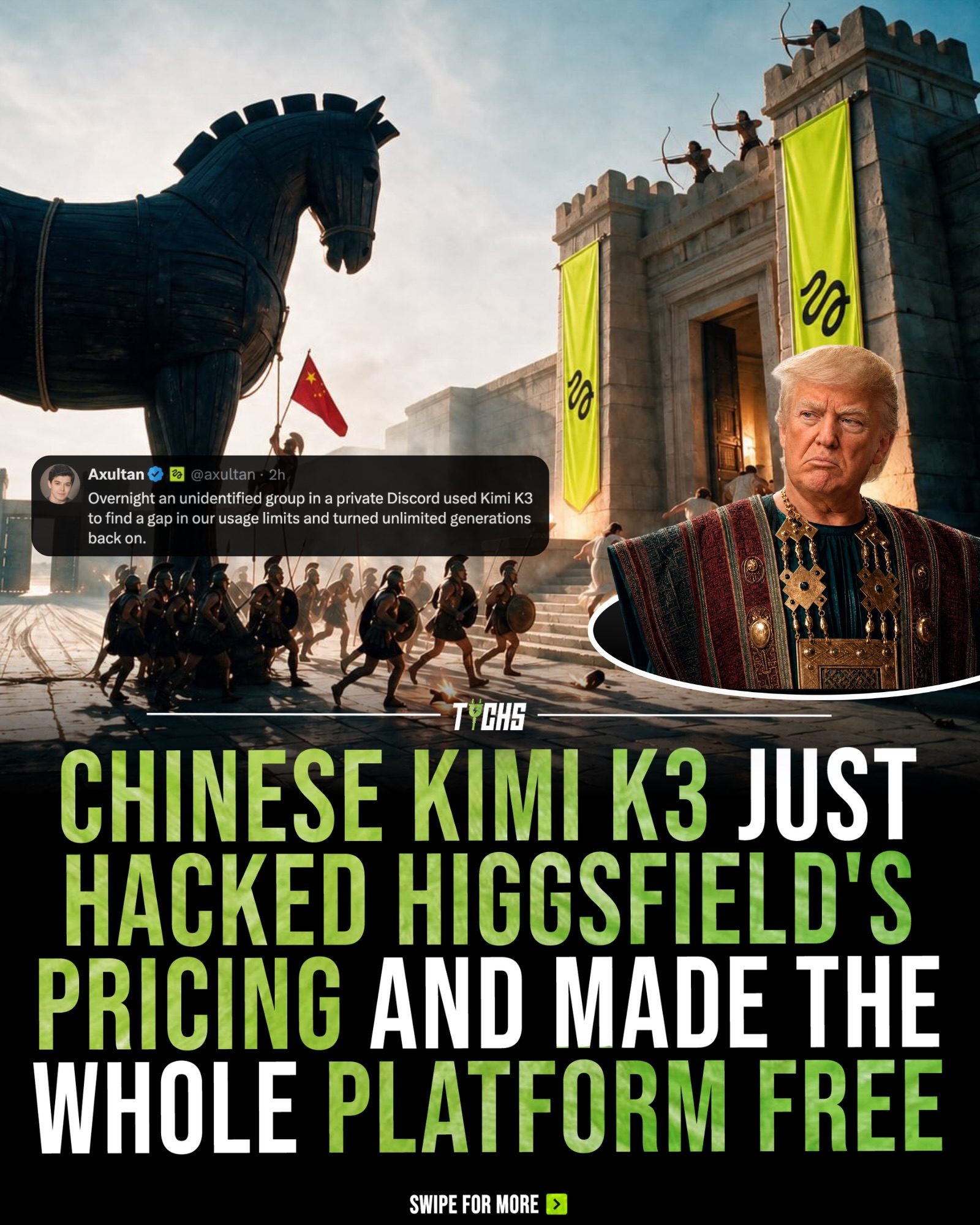
The recent incident involving AI model Kimi K3 and the AI video platform Higgsfield has sparked widespread discussions about pricing models and AI accessibility. This event began when an unidentified group within a private Discord server utilized Kimi K3 to exploit a vulnerability in Higgsfield's usage limits, effectively making the platform free for unlimited generations. This development has significant implications for AI pricing strategies and the broader landscape of AI accessibility.
Understanding the Key Players
Kimi K3
Kimi K3, developed by Moonshot AI, is a large open-weights AI model with an impressive 2.8 trillion parameters. This makes it the largest set of open weights ever released, ranking fourth among frontier models. Notably, Kimi K3 is available for anyone to download and use, making it a powerful tool for AI enthusiasts and professionals alike. The model's capabilities and cost-effectiveness—it costs about a third of the top Western models—have made it a subject of interest in the AI community.
Higgsfield
Higgsfield is an AI video platform that offers various services leveraging AI technology. The platform's pricing model includes usage limits, which are designed to manage resource allocation and ensure fair use. However, the recent incident has brought these limits into the spotlight, raising questions about their effectiveness and the potential for exploitation.
The Incident and Higgsfield's Response
The incident unfolded when a group discovered a gap in Higgsfield's usage limits using Kimi K3. This gap allowed for unlimited generations, effectively making the platform free. The news surfaced on Reddit before Higgsfield made any public statements. Instead of following the standard playbook of patching the issue quietly and hoping it went unnoticed, Higgsfield's Head of Product took a different approach.
Public Acknowledgement
In a surprising move, the Head of Product for Higgsfield publicly acknowledged the issue the same day it was discovered. The announcement detailed that the gap had been identified and was being addressed. However, rather than locking down the platform and restricting access, Higgsfield decided to keep the platform free for new accounts while they investigated the exploit. This decision was driven by a desire to avoid users hunting for the exploit or engaging in "playing outside the rules."
Implications for Pricing Models
Higgsfield's response to the incident highlights an alternative approach to handling vulnerabilities in pricing models. By keeping the platform free for new accounts, Higgsfield demonstrated a commitment to transparency and user engagement. This decision also underscores the importance of user trust and the potential benefits of open communication in managing AI platforms.
The Broader Context
AI Accessibility
The incident involving Kimi K3 and Higgsfield is part of a broader trend in the AI community. There have been several instances in recent months where frontier models have been targeted at live infrastructures. For example, the Sol/Hugging Face incident occurred just a week before the Higgsfield incident, highlighting the growing complexity and potential vulnerabilities in AI systems.
Frontier Models
Frontier models like Kimi K3 represent the cutting edge of AI technology. Their large parameter counts and advanced capabilities make them highly sought after for a variety of applications. However, their size and complexity also present unique challenges, including the risk of exploitation and the need for robust security measures.
Practical Tips for AI Platforms
Robust Security Measures
Given the increasing sophistication of AI models, it is essential for platforms to implement robust security measures. This includes regular audits, proactive monitoring, and the development of advanced detection systems to identify and mitigate potential vulnerabilities.
Transparent Communication
The incident at Higgsfield highlights the importance of transparent communication. Being open about vulnerabilities and addressing them promptly can help build trust with users and foster a more collaborative environment.
User Engagement
Engaging with users and involving them in the resolution process can also be beneficial. By encouraging users to report issues and providing them with the tools to do so, platforms can create a more resilient and secure ecosystem.
Balancing Accessibility and Security
Striking a balance between accessibility and security is crucial. While open weights and accessible models like Kimi K3 offer tremendous opportunities, they also require careful management to ensure they are used responsibly and ethically.
Important Takeaways
The incident involving Kimi K3 and Higgsfield provides several key takeaways for the AI community:
-
AI models like Kimi K3 are powerful tools with significant capabilities, but they also present unique challenges and risks.
-
Transparent and proactive communication is essential for managing vulnerabilities and building trust with users.
-
Platforms must implement robust security measures to protect against exploitation and ensure the integrity of their services.
-
Engaging with users and fostering a collaborative environment can help create a more resilient and secure AI ecosystem.
Conclusion
The recent incident involving Kimi K3 and Higgsfield has brought to light important issues related to AI accessibility, pricing models, and security. By understanding the key players, the incident itself, and the broader context, we can gain valuable insights into the challenges and opportunities in the AI landscape. As AI technology continues to advance, it is crucial for platforms to adopt proactive and transparent approaches to ensure the safe and ethical use of these powerful tools.
Questions readers ask
What exactly happened in the Higgsfield AI pricing hack?
A group of users exploited a flaw in Higgsfield's pricing system using a model called Kimi K3. This allowed them to generate videos without paying, effectively making the service free. The exploit was facilitated through a private Discord server.
How did Higgsfield respond to the pricing hack?
Higgsfield's response was notable for its departure from traditional measures. Instead of immediate legal action or a quick fix, the company engaged with the community to discuss the implications of AI pricing and accessibility, sparking broader conversations about AI pricing models in the digital age.
What is the significance of the Kimi K3 model in this incident?
Kimi K3 is a large open-weights AI model with 2.8 trillion parameters, developed by Moonshot AI. Its size and capabilities made it a powerful tool for exploiters to bypass Higgsfield's pricing limits, highlighting the potential security risks of advanced AI models.
What are the implications of this incident for AI pricing strategies?
The incident has sparked discussions on how AI platforms should structure their pricing. It raises questions about balancing accessibility with financial sustainability and the potential for open-source models to disrupt paid services.
How can users and developers learn from the Higgsfield incident?
Users and developers can gain insights into the importance of robust security measures and ethical considerations. The event underscores the need for vigilance in protecting AI systems from exploitation and the importance of open dialogue about AI accessibility.
What steps should AI platforms take to prevent similar incidents?
AI platforms should prioritize regular security audits, implement strong access controls, and foster a culture of responsible innovation. Engaging with the community to understand and address potential vulnerabilities can also enhance platform security.
How might this incident influence the future of AI video platforms?
The incident may prompt AI video platforms to reevaluate their pricing models and security protocols. It could lead to more innovative and flexible pricing strategies that better accommodate user needs while ensuring the platform's sustainability.
Related deep dives
Similar reads based on topic and creator.




Recent articles
Fresh deep dives from the latest Reels we unpacked.




Comments
Be the first to comment.