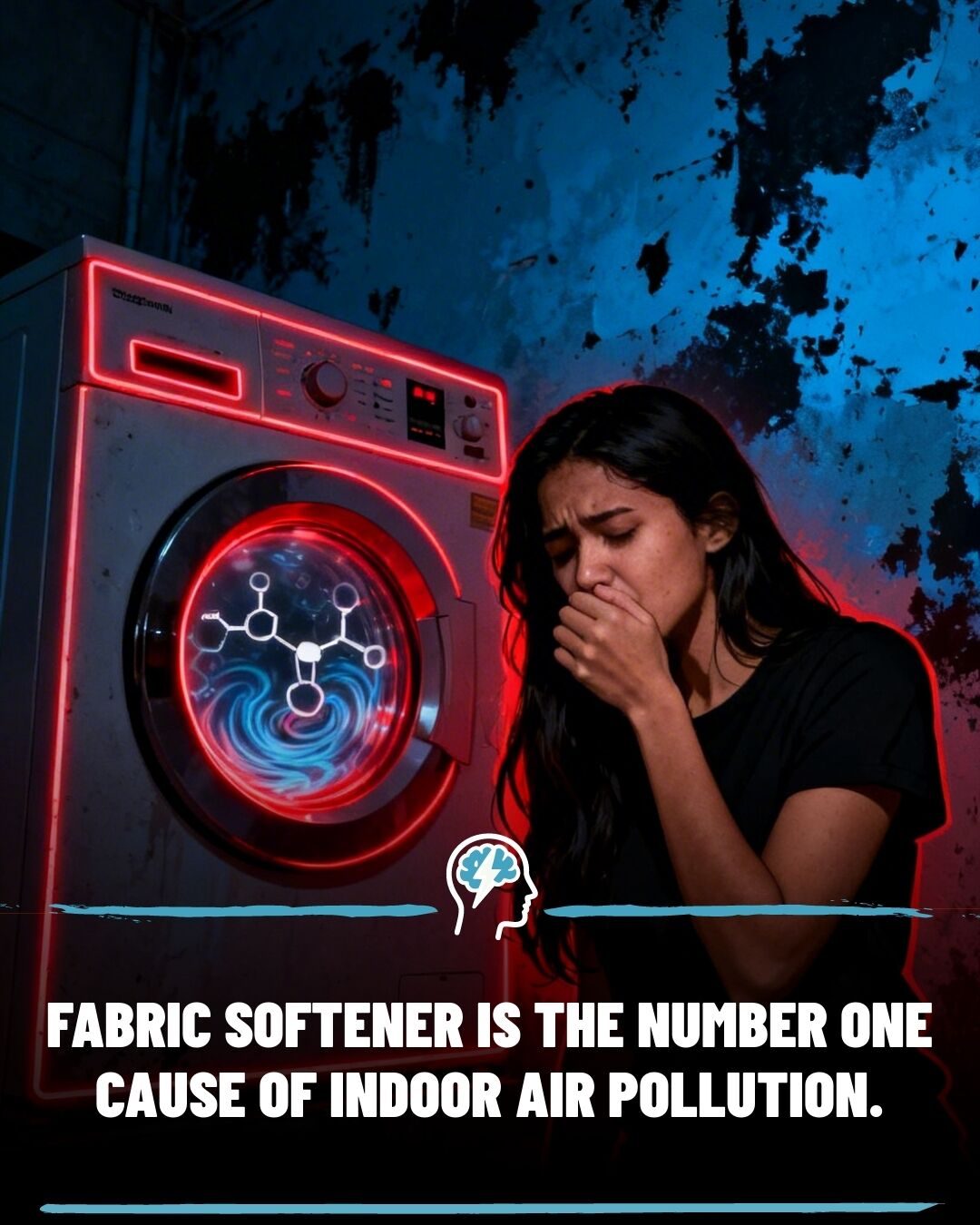
Indoor Air Pollution and Fabric Softeners: What You Need to Know
The familiar scent of fresh laundry might seem innocent enough, but recent research suggests that fabric softeners and dryer sheets could be contributing to indoor air pollution. These products release volatile organic compounds (VOCs) that may irritate your respiratory system, potentially causing health concerns.
Why This Matters
Indoor air pollution is a significant issue, especially for those spending a lot of time in enclosed spaces. The use of fabric softeners in laundry can release chemicals into the air, leading to potential health risks. Understanding these risks can help you make more informed decisions about the products you use in your home.
Main Discussion
The Science Behind Fabric Softeners and Indoor Air Pollution
Fabric softeners contain a variety of chemicals designed to enhance the scent and texture of laundry. When these products are heated in the dryer, synthetic fragrances are released into the air. Common ingredients found in fabric softeners include benzyl acetate, benzyl alcohol, limonene, chloroform, and quaternary ammonium compounds. Some of these chemicals are classified as potentially carcinogenic, though research on cancer risk is still ongoing.
Health Concerns
A peer-reviewed study exposed mice to emissions from commercial fabric softeners and found concerning results. The chemicals released by these products, including isopropylbenzene, styrene, trimethylbenzene, phenol, and thymol, caused respiratory dysfunction and mild lung inflammation in the test subjects. These findings suggest that prolonged exposure to these compounds could be harmful to humans, especially those with respiratory conditions such as asthma or allergies.
Respiratory System Impact
The respiratory system is particularly vulnerable to the VOCs released by fabric softeners. When you open the dryer or handle fresh laundry, you inhale these chemicals directly. The fragrances in fabric softeners are designed to cling to fabric, meaning you can be exposed to them for extended periods. This can lead to symptoms like respiratory irritation, making it especially important for sensitive individuals to be aware of the potential risks.
Common Ingredients and Their Effects
Some of the common ingredients found in fabric softeners include:
Benzyl acetate: Often used in fragrances, it can cause headaches and respiratory issues.
Benzyl alcohol: Can cause skin and eye irritation.
Limonene: Found in citrus oils, it can cause skin irritation and respiratory problems.
Chloroform: A potential carcinogen that can cause dizziness and headaches.
Quaternary Ammonium Compounds
Quaternary ammonium compounds are often found in fabric softeners and have been linked to respiratory irritation and skin sensitivities. They are effective at softening fabrics but can also release harmful VOCs when heated.
Practical Tips
If you notice respiratory symptoms after doing laundry, consider the following tips to reduce your exposure to harmful VOCs:
Use Fragrance-Free Alternatives
Switching to fragrance-free fabric softeners or detergent can significantly reduce your exposure to VOCs. These products are designed to clean effectively without the added chemicals that contribute to indoor air pollution.
Ventilate Your Laundry Area
Ensuring proper ventilation in your laundry room can help disperse harmful chemicals more effectively. Opening windows or using exhaust fans can reduce the concentration of VOCs in the air.
Choose Natural Fragrances
If you prefer scented laundry, consider natural fragrances that are less likely to release harmful VOCs. Essential oils and plant-based fragrances can be a healthier alternative to synthetic chemicals.
Wash Your Laundry Thoroughly
Ensure that your laundry is thoroughly rinsed to remove any residual fabric softener. This can help reduce the amount of chemicals that cling to your fabrics and are released into the air.
Consider Using Less Fabric Softener
If you still prefer using fabric softener, consider diluting it or using less than the recommended amount. This can help reduce the amount of VOCs released during the drying process.
Important Takeaways
Indoor air pollution from fabric softeners is a real concern. The chemicals released by these products can irritate the respiratory system and potentially cause more serious health issues. By being mindful of the products you use and taking steps to reduce your exposure to VOCs, you can create a healthier home environment. Fragrance-free alternatives, proper ventilation, and natural fragrances can all help mitigate the risks associated with fabric softeners.
Conclusion
Understanding the potential health risks associated with fabric softeners can help you make more informed choices about the products you use in your home. By focusing on natural, fragrance-free alternatives and ensuring proper ventilation, you can reduce your exposure to harmful chemicals and create a healthier living space.
Questions readers ask
What are volatile organic compounds (VOCs) and why are they released by fabric softeners?
Volatile organic compounds (VOCs) are chemicals that easily evaporate at room temperature. Fabric softeners release VOCs to create that familiar fresh scent. However, these compounds can contribute to indoor air pollution and may cause respiratory irritation when inhaled over time.
How do fabric softeners and dryer sheets affect indoor air quality?
Fabric softeners and dryer sheets release chemicals into the air during use, which can degrade indoor air quality. These chemicals, including VOCs, can linger in the air and on surfaces, potentially leading to respiratory issues and other health concerns, especially in poorly ventilated spaces.
What are some symptoms of respiratory irritation from fabric softener chemicals?
Exposure to the chemicals in fabric softeners can cause various symptoms, including coughing, wheezing, and throat irritation. Some individuals may also experience headaches, dizziness, or allergic reactions. These symptoms may be more pronounced in individuals with pre-existing respiratory conditions.
What are some safer alternatives to conventional fabric softeners?
To reduce exposure to potentially harmful chemicals, consider using natural alternatives to fabric softeners. These include white vinegar, baking soda, or essential oils. These options can help soften fabrics and reduce static without releasing VOCs into the air.
How can I improve indoor air quality if I use fabric softeners?
If you choose to use fabric softeners, make sure to ventilate your laundry area and home well. Open windows and use exhaust fans to help disperse the chemicals released by these products. Additionally, consider switching to low-VOC or fragrance-free fabric softeners to minimize indoor air pollution.
Are there studies linking fabric softeners to health risks?
Yes, several studies have investigated the potential health risks of fabric softeners. Research has shown that the fragrances and chemicals in these products can release VOCs, which may contribute to respiratory issues and other health concerns, especially with prolonged exposure in enclosed spaces.
Related deep dives
Similar reads based on topic and creator.



Recent articles
Fresh deep dives from the latest Reels we unpacked.




Comments
Be the first to comment.