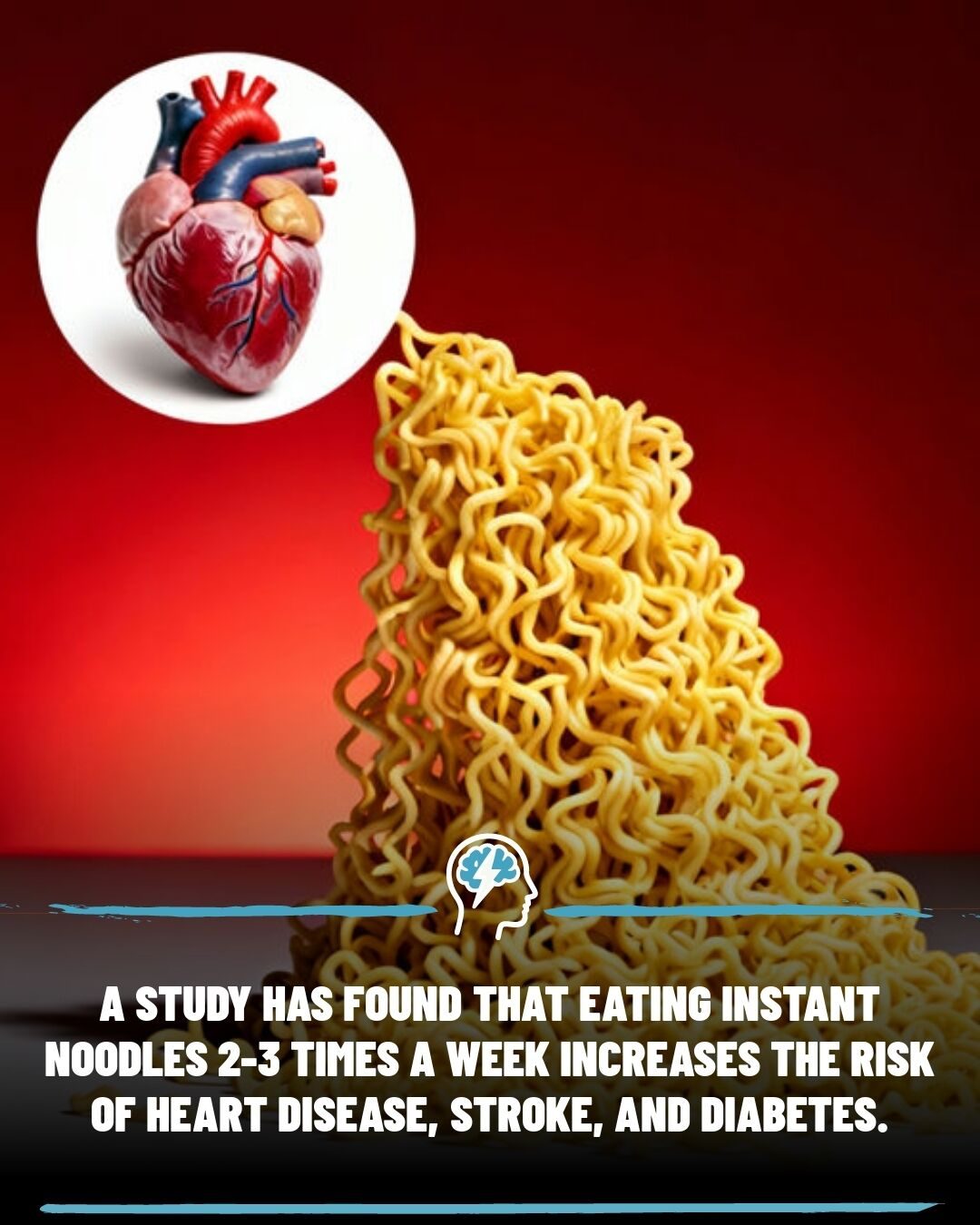
Health Risks of Instant Noodles
Instant noodles are a quick and convenient meal for many, but new research suggests that frequent consumption can have significant health implications. Eating instant noodles two to three times a week may increase the risk of metabolic syndrome, a cluster of conditions that heighten the likelihood of heart disease, stroke, and type 2 diabetes.
Context / Why this matters
Recent studies have provided compelling evidence that the regular consumption of instant noodles is associated with an increased risk of heart disease, stroke, and diabetes. For those who enjoy instant noodles as a part of their diet, understanding these risks and the underlying mechanisms can help make more informed food choices.
Main discussion
The Link Between Instant Noodles and Metabolic Syndrome
One large study found that women who consumed instant noodles two to three times a week had a 68 percent higher likelihood of developing metabolic syndrome. Another analysis showed that the highest consumers faced a 48 percent greater odds overall. This condition is a cluster of risk factors, including high blood pressure, elevated blood sugar, excess abdominal fat, and abnormal cholesterol levels. When these factors occur together, they significantly raise the risk of heart disease, stroke, and type 2 diabetes.
The Biological Mechanisms
The connection between instant noodles and metabolic syndrome makes biological sense. Instant noodles tend to be high in sodium, which can elevate blood pressure over time. They also contain refined carbohydrates that can spike blood glucose and promote insulin resistance. Many varieties include saturated fats that may raise LDL cholesterol and trigger inflammatory responses in the body. These factors collectively contribute to the development of metabolic syndrome.
Independent Associations
What makes these findings particularly notable is that researchers observed these associations independent of overall dietary patterns. This suggests that the noodles themselves, not just an unhealthy diet in general, may be driving the increased risk. The dose matters here. Occasional consumption is different from regular reliance on them as a dietary staple. Results also vary by individual, and factors like your overall diet, activity level, and genetics all play a role in how your body responds.
Risk Factors and Health Implications
Metabolic syndrome is a serious health concern because it increases the risk of various chronic diseases. High blood pressure, elevated blood sugar, excess abdominal fat, and abnormal cholesterol levels are all warning signs that the body's metabolism is not functioning optimally. These conditions can lead to serious health problems, including heart disease, stroke, and type 2 diabetes. Understanding these risk factors can help individuals take proactive steps to manage their health.
Practical tips
If you are concerned about the potential health risks associated with instant noodles, consider the following tips:
-
Reduce Frequency: If instant noodles are a frequent part of your routine, consider gradually reducing how often you reach for them. Small swaps toward whole food options can support metabolic health over time.
-
Choose Healthier Alternatives: Explore healthier meal options that are lower in sodium, refined carbohydrates, and saturated fats. Whole grains, lean proteins, and plenty of fruits and vegetables can help maintain a balanced diet.
-
Monitor Portion Sizes: Even if you choose to consume instant noodles, be mindful of portion sizes. This can help mitigate some of the negative effects associated with frequent consumption.
-
Stay Active: Regular physical activity can help counteract the negative effects of an unhealthy diet. Aim for at least 30 minutes of moderate exercise most days of the week.
-
Consult a Professional: If you have concerns about metabolic syndrome or your cardiovascular health, speak with a healthcare provider. They can offer personalized advice and recommendations based on your specific health profile.
Important takeaways
- Frequent consumption of instant noodles (two to three times a week) is linked to an increased risk of metabolic syndrome, which in turn raises the risk of heart disease, stroke, and type 2 diabetes.
- The high sodium, refined carbohydrates, and saturated fats in instant noodles contribute to these health risks.
- Individual factors such as overall diet, activity level, and genetics play a role in how your body responds to instant noodle consumption.
- Making small adjustments, such as reducing frequency and choosing healthier alternatives, can support better metabolic health.
Conclusion
While instant noodles offer a convenient meal option, it's essential to be aware of the potential health risks associated with frequent consumption. Understanding the link between instant noodles and metabolic syndrome can empower individuals to make more informed dietary choices. By reducing frequency, choosing healthier alternatives, and maintaining an active lifestyle, you can support your metabolic health and lower the risk of chronic diseases.
Questions readers ask
What exactly is metabolic syndrome and why is it linked to instant noodles?
Metabolic syndrome is a group of conditions including high blood pressure, high blood sugar, excess body fat around the waist, and abnormal cholesterol levels. These conditions occur together, increasing the risk of heart disease, stroke, and type 2 diabetes. Instant noodles contribute to metabolic syndrome due to their high sodium content, refined carbohydrates, and saturated fats.
How does eating instant noodles twice a week affect my health?
Consuming instant noodles twice a week has been linked to an increased risk of metabolic syndrome. This means you may be more likely to develop conditions such as heart disease, stroke, and type 2 diabetes over time. These health issues can significantly impact your quality of life.
What are the main health dangers of a high sodium diet like that found in instant noodles?
A high sodium diet can lead to elevated blood pressure, which is a major risk factor for heart disease and stroke. It can also contribute to water retention and bloating. Additionally, high sodium intake can increase the risk of stomach cancer and negatively impact bone health.
Why are refined carbohydrates in instant noodles a concern?
Refined carbohydrates are quickly digested and can cause rapid spikes in blood sugar levels. These spikes can lead to increased insulin resistance, which is a key factor in developing type 2 diabetes. Over time, high consumption of refined carbohydrates can also contribute to weight gain and inflammation, further exacerbating health risks.
Can I still enjoy instant noodles occasionally without significant health risks?
Occasionally enjoying instant noodles is unlikely to cause significant harm. The key is moderation. Limiting your intake to once a week or less can help mitigate the associated health risks. When you do eat them, consider pairing them with fresh vegetables and lean proteins to create a more balanced meal.
What are healthier alternatives to instant noodles for a quick meal?
Healthier alternatives include whole-grain noodles, brown rice, or quinoa. You can also try vegetable-based noodles or whole-grain wraps for a quick meal. These options provide more fiber, nutrients, and a lower risk of contributing to metabolic syndrome.
How can I reduce the health risks if I frequently consume instant noodles?
If you frequently consume instant noodles, consider adding more vegetables and lean proteins to your bowl. You can also try to gradually reduce your intake and replace instant noodles with healthier alternatives. Staying hydrated and maintaining an active lifestyle can also help counteract some of the negative effects.
Related deep dives
Similar reads based on topic and creator.



Recent articles
Fresh deep dives from the latest Reels we unpacked.




Comments
Be the first to comment.