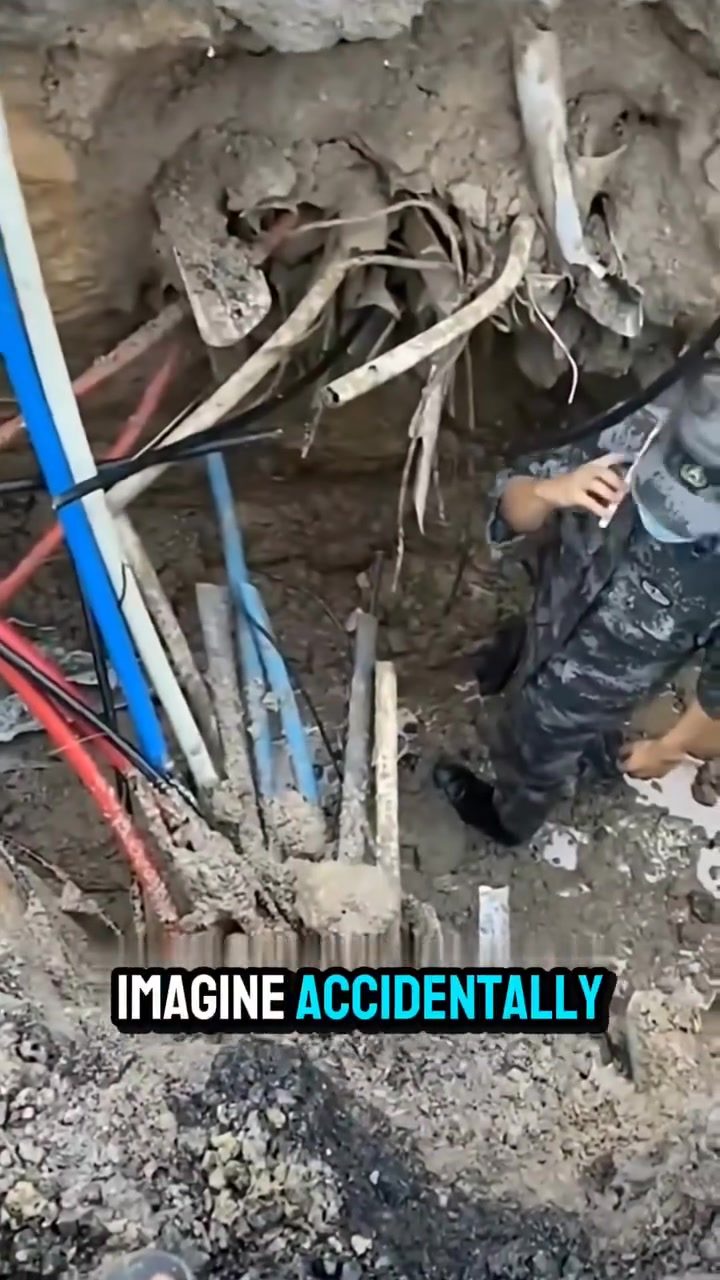
Underground Cable Damage: The Hidden Risks and Repair Challenges
Underground cable damage is a serious issue that can have far-reaching consequences, particularly when military communication cables are involved. The repair process is complex and demands precision, while the potential penalties for causing such damage can be severe.
Why This Matters
Excavation projects, whether for construction or infrastructure development, often involve the risk of damaging underground utilities. Communication cables, including those for military use, are particularly vulnerable. A single careless dig can disrupt critical communication networks, leading to significant repair costs and potential legal repercussions.
The Complexity of Cable Repair
Damage to underground communication cables can occur due to various reasons, with excavation being a primary cause. The repair process is intricate and requires meticulous attention to detail. Here are the key steps involved:
Identifying and Assessing the Damage
When an excavator accidentally cuts through thousands of communication cables, the first step is to assess the extent of the damage. Technicians must determine which wires have been severed and identify the specific cables that need repair. This is complicated by the fact that wires cannot be matched by color alone, as the same colors often repeat across different cable groups.
Stripping and Cleaning the Wires
Once the damaged wires are identified, technicians must strip each wire, clean it, and prepare it for repair. This process ensures that the exposed conductive material is free from contaminants, which could affect the quality of the connection.
Fusing the Broken Ends
The next step is to precisely fuse the broken ends of the wires using specialized equipment. This process requires high precision to ensure that the connection is secure and reliable. Any misalignment or mistake can lead to further disruptions in the communication network.
Sealing the Joint
After fusing, the joint must be sealed with protective tubing to prevent future damage. This step is crucial to protect the repaired connection from environmental factors and potential future damage.
The Challenges of Fiber Optic Cables
Repairing fiber optic cables presents an even greater challenge. These cables contain fibers that are thinner than a human hair and must be aligned with micrometer precision before being fused together. The repair process involves:
Aligning the Fibers
The fibers inside a fiber optic cable must be aligned with extreme precision. This is done using specialized equipment that ensures the fibers are perfectly aligned before being fused. Any misalignment can result in a weak connection or complete failure.
Testing the Connection
After the fibers are fused, they must be individually tested to ensure the connection is secure and reliable. This step is critical to maintaining the integrity of the communication network.
Real-Life Consequences
The consequences of damaging a military communication cable can be devastating. In one real case, an excavator operator accidentally cut a military fiber optic cable, disrupting communications for 374 minutes. The operator was sentenced to 18 months in prison, highlighting the seriousness of such incidents.
Practical Tips for Avoiding Underground Cable Damage
To avoid the risks and challenges associated with underground cable damage, it is essential to follow best practices during excavation projects. Here are some practical tips:
Use Locating Services
Before beginning any excavation project, use professional locating services to identify the exact location of underground utilities. This service can map out the underground infrastructure, helping you avoid accidental damage.
Adhere to Safety Protocols
Follow all safety protocols and guidelines for excavation. This includes using proper signaling and communication methods to ensure that all team members are aware of the potential risks and how to mitigate them.
Implement Quality Control
Ensure that all repair work is conducted by trained professionals who follow strict quality control procedures. This includes regular inspections and testing to verify the integrity of the repairs.
Use Advanced Technology
Utilize advanced technology, such as ground-penetrating radar and other detection tools, to accurately locate underground utilities. This can help prevent accidental damage and ensure the safety of the excavation project.
Important Takeaways
Underground cable damage is a serious issue that can have severe consequences, particularly when military communication cables are involved. The repair process is complex and requires precision, while the potential penalties for causing such damage can be severe. To avoid these risks, it is essential to use professional locating services, adhere to safety protocols, implement quality control, and utilize advanced technology.
Conclusion
Damage to underground communication cables can have far-reaching consequences, affecting both civilian and military communication networks. The repair process is intricate and requires precise attention to detail. By following best practices and utilizing advanced technology, excavation projects can be conducted safely and efficiently, minimizing the risk of damage to critical infrastructure. Always prioritize safety and precision to ensure the integrity of communication networks and the success of your projects.
Questions readers ask
What are the immediate consequences of damaging military cables during excavation?
Damage to military cables can immediately disrupt critical communication networks, which can compromise military operations and safety. This disruption can lead to significant operational delays and poses a risk to both military personnel and civilians. The repair process is intricate, and the costs can be substantial.
What are the legal repercussions of damaging military cables?
Damaging military cables can result in severe legal consequences, including fines and potential criminal charges. The legal repercussions can vary depending on the extent of the damage and the specific laws in the affected region. It's crucial for excavation projects to adhere to strict safety guidelines to avoid such outcomes.
How can excavation projects prevent damaging military cables?
Prevention involves thorough planning and adherence to safety protocols. Excavation teams should obtain accurate maps of underground utilities, use precision tools, and employ trained personnel. Clear communication with authorities and utility companies can also help prevent accidental damage.
What makes military cable repair so complex and costly?
Military cable repair is complex due to the precision required to avoid further disruption and ensure the cables are functioning correctly. The costs are high because of the specialized equipment, trained personnel, and the potential for severe operational delays. The repair process also includes extensive testing to guarantee the cables are secure and operational.
What are some common causes of military cable damage during excavation?
Common causes include inadequate planning, failure to identify the location of underground utilities, and using improper excavation techniques. Mechanical failures such as faulty equipment can also lead to accidental damage. Operators must be trained in best practices, and equipment should be regularly inspected and maintained.
What are the hazards associated with damaged military cables?
Damaged military cables can pose various hazards, including electrocution risks if the cables carry electrical power, and exposure to hazardous materials used in cable insulation. Additionally, the disruption of communication networks can compromise security, leading to potential risks to national security and public safety.
How can excavation teams ensure the safety of military cables during their projects?
Excavation teams should follow strict safety protocols, including using non-intrusive detection methods to locate underground cables, implementing safe digging practices, and maintaining open communication with military authorities. Regular training and updates on safety procedures are essential for all team members.
Related deep dives
Similar reads based on topic and creator.




Recent articles
Fresh deep dives from the latest Reels we unpacked.




Comments
Be the first to comment.