The Healthiest Meats: Bison vs. Beef
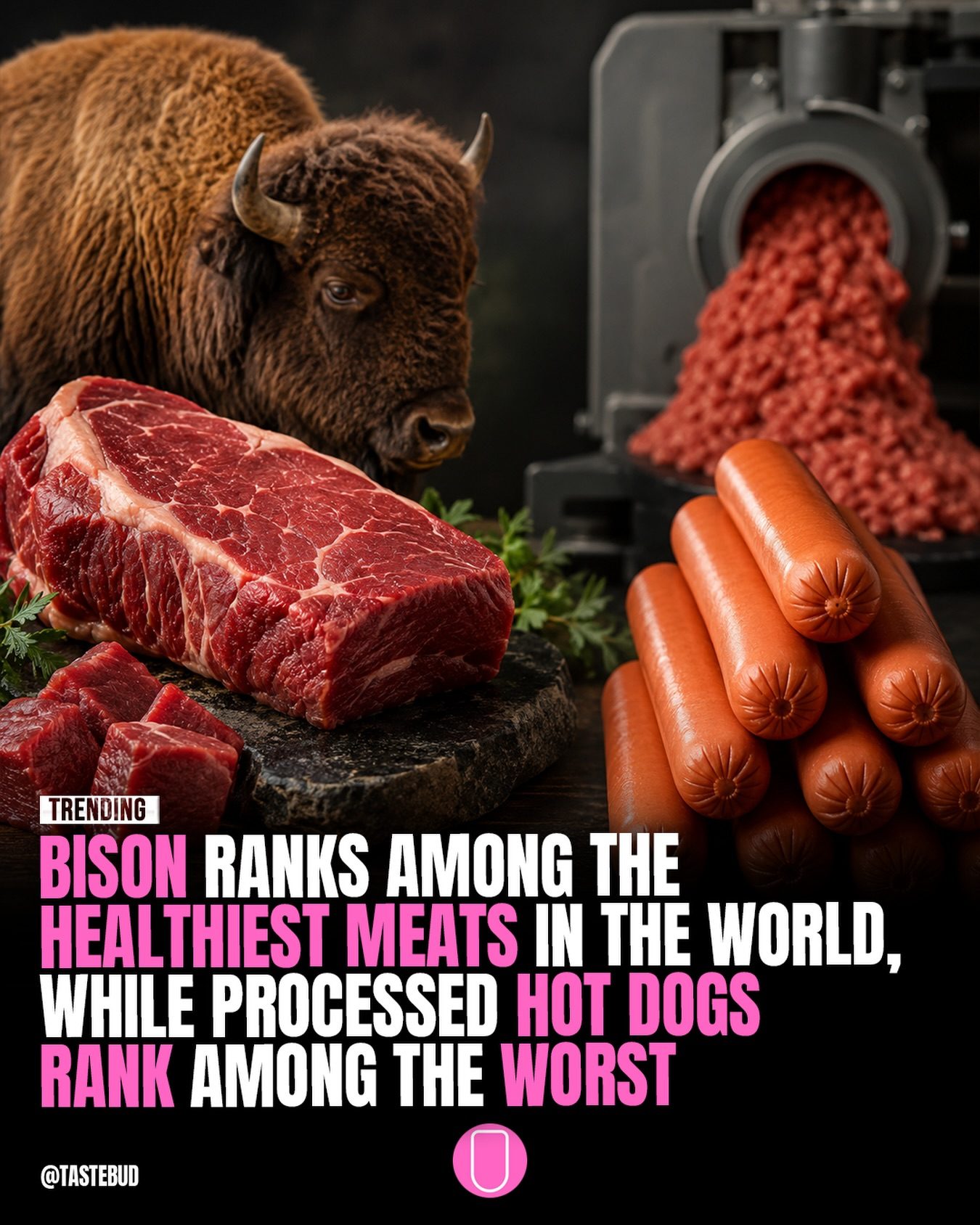
When it comes to selecting the healthiest meat, consumers are increasingly conscious of their choices. Bison, beef, and processed hot dogs all offer different nutritional profiles. Recent research suggests bison is one of the healthiest meats, presenting distinct advantages when compared to beef. Bison's leaner composition and lower fat content make it an ideal option for health-conscious meat-eaters. The visual comparison reveals a high amount of lean protein in the bison, putting it ahead of beef as it has higher amounts of saturated and trans-fats, which are unhealthy. Bison also contains essential amino acids and micronutrients that provide an advantageous nutritional profile. The visual comparison makes it clear what the meat of choice is for health-seekers. The nutritional benefits of bison stem from its unique composition. It boasts a substantially lower fat content compared to beef, with a typical serving of bison providing significant amounts of protein. The lean nature of bison meat means fewer calories and less dietary cholesterol, positioning it as a healthier alternative. The juxtaposition with beef, especially in its higher saturated fat levels and calories per serving, underscores this advantage. The meat of bison, while high in protein, is also lower in cholesterol and calories compared to beef. This nutritional profile of bison, which is lower in saturated fat and cholesterol, also offers a healthier option for high cholesterol issues. Additionally, bison meat contains rich amounts of essential minerals like iron and zinc, as well as B vitamins. For those conscious of their health, these nutritional advantages of bison make it a preferable choice over beef.
Processed Hot Dogs and Their Challenges
The comparison isn't complete without assessing processed foods, particularly hot dogs. Most consumers know processed foods, especially hot dogs, tend to rank among the worst choices when it comes to health. Processed hot dogs can have a startling amount of sodium, which is bad for those with heart diseases. Lowering the intake of sodium can help manage blood pressure and reduce the risk of heart disease. Processed foods, in general, are high in sodium and artificial preservatives. Sodium and preservatives can detract from the nutritional profile. The processed meats used in hot dogs often contain high levels of sodium, nitrates, and other artificial preservatives. These additives have been linked to increased risks of heart disease and certain cancers, further solidifying hot dogs' status as an unhealthy option. According to recent nutritional research, processed meats are marked by increased sodium, nitrates, and artificial preservatives, which have been associated with higher risks of heart disease and certain cancers. The nutritional shortcomings of hot dogs are of particular concern for health-conscious consumers. The combination of high sodium, saturated fats, and processing methods reduces nutritional value. Sodium content in processed meats, including hot dogs, often exceeds daily recommendations. Sodium poses particular risks for cardiovascular diseases when consumed in excess. The significantly lower nutritional value of processed hot dogs, particularly in comparison to bison, makes them a poor choice for those prioritizing health. The meat of hotdogs is prone to more biological risks. Research shows the association between sodium, nitrates, and saturated fats in processed meats with an increased risk of heart disease and certain cancers. The limited nutritional benefits and higher health risks make processed hot dogs a less desirable option for health-conscious consumers.
Related deep dives
Similar reads based on topic and creator.




Recent articles
Fresh deep dives from the latest Reels we unpacked.




Comments
Be the first to comment.