Age Reversal: The Dawn of a New Era
The idea of reversing biological age is no longer confined to the realm of science fiction. Researchers at Harvard University, led by David Sinclair, have been making remarkable strides in the field of age reversal. Their work focuses on reversing the biological aging process, which could potentially reshape human health and longevity.
Why this Matters
Aging is a complex process that affects everyone, yet it remains one of the least understood biological processes. Traditional approaches to health and aging have primarily focused on slowing down the aging process. However, recent advancements in age reversal research suggest that it might be possible to restore youthful cellular function, which could revolutionize how we treat age-related diseases and extend healthspan.
Age Reversal Research at Harvard
Decades of Research
David Sinclair, a Harvard professor, has spent over 30 years studying aging, longevity, and age reversal. His research has led to the development of groundbreaking technologies that can reverse the age of tissues in animals. These technologies are now being applied to human tissue grown in the lab, with promising results. Sinclair's work is based on the idea that aging is not just about cellular damage but also about the loss of cellular information. By restoring this information, it may be possible to return cells to a more youthful state.
Human Clinical Trials
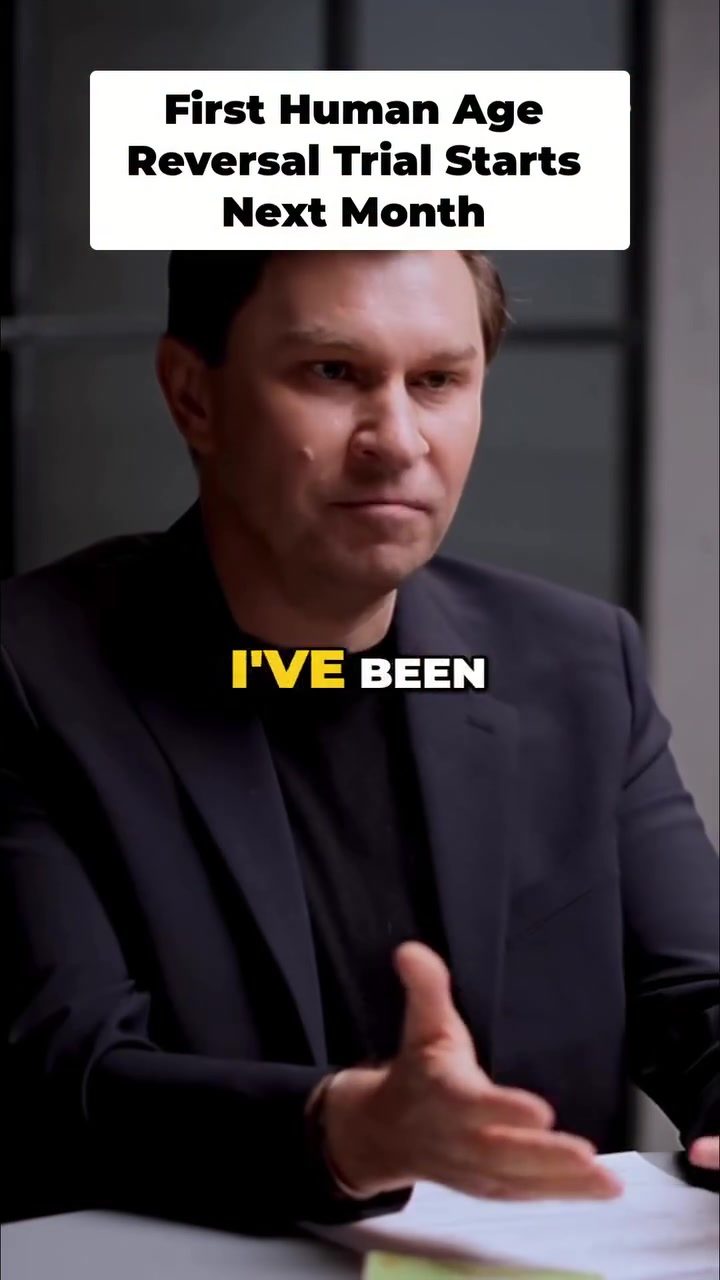
The most exciting development in this field is the upcoming human clinical trials, which are set to begin in about a month. These trials will test the feasibility and efficacy of age reversal in humans. If successful, this could mark a significant milestone in human history, potentially allowing us to reset the age of the human body by more than a few years.
Potential Applications
The implications of successful age reversal are profound. It could mean treating diseases at their root, regenerating damaged tissues, and dramatically extending healthspan. Some of the most striking examples of age reversal research include restoring vision in animals by rejuvenating the optic nerve. This suggests that age reversal could potentially cure conditions that have previously been considered incurable.
Practical Tips for Health and Longevity
While age reversal research is still in its early stages, there are practical steps you can take to improve your health and potentially slow down the aging process:
- Healthy Diet: Adopt a diet rich in antioxidants, which can help combat cellular damage. Foods high in vitamins C, E, and flavonoids are particularly beneficial.
- Regular Exercise: Regular physical activity can help maintain cellular health and improve overall fitness. Aim for a mix of aerobic, strength, and flexibility exercises.
- Stress Management: Chronic stress can accelerate aging. Incorporate stress management techniques such as meditation, yoga, or deep breathing exercises into your routine.
- Adequate Sleep: Quality sleep is essential for cellular repair and regeneration. Aim for 7-9 hours of sleep per night and maintain a consistent sleep schedule.
- Avoid Smoking and Limit Alcohol: Both smoking and excessive alcohol consumption can accelerate aging and increase the risk of age-related diseases.
Important Takeaways
Age reversal research is still in its early stages, and it is crucial to approach this topic with caution. While the potential benefits are enormous, it is essential to recognize that most breakthroughs so far have been in animals. Human trials are just beginning, and much more research is needed to fully understand the implications and potential risks.
However, the progress made so far is undeniably exciting. The possibility of treating diseases at their root, regenerating damaged tissues, and extending healthspan could revolutionize how we approach aging and healthcare. For now, the best course of action is to stay informed, adopt healthy habits, and look forward to the future of age reversal research.
Conclusion
The field of age reversal is on the cusp of a significant breakthrough. As researchers at Harvard University continue to make advancements, the potential to reset the age of the human body becomes increasingly plausible. While it is essential to approach this topic with realism and caution, the potential benefits are undeniable. The future of age reversal research holds the promise of a healthier, longer life for all.
Questions readers ask
Who is leading the aging research at Harvard University?
The research is led by Professor David Sinclair, who is at the forefront of developing methods to reverse biological aging.
What is the primary goal of the Harvard aging research?
The primary goal is to reverse the biological aging process, aiming to restore youthful cellular function and extend human healthspan. This could potentially reshape human health and longevity.
How does this research differ from traditional approaches to aging?
Unlike traditional approaches that focus on slowing down aging, this research aims to reverse it, restoring youthful cellular function. This could revolutionize treatments for age related diseases.
What are the potential benefits of reversing biological aging?
Reversing biological aging could extend human longevity, improve overall health, and revolutionize treatments for age-related diseases. This could lead to a significant impact on human health and lifespan.
Are there any human trials planned for these age reversal methods?
Yes, the research is moving towards human trials, which could provide more concrete insights into the effectiveness and safety of these age reversal methods.
What specific methods are being used to rejuvenate human tissues?
The research focuses on restoring youthful cellular function, though specific methods are not detailed in the article. These methods could potentially reverse the biological aging process and improve overall health.
What is the significance of restoring youthful cells in the context of aging research?
Restoring youthful cells is a key aspect of the research, as it aims to reverse the biological aging process. This could lead to improved health and extended longevity.
Recent articles
Fresh deep dives from the latest Reels we unpacked.




Comments
Be the first to comment.