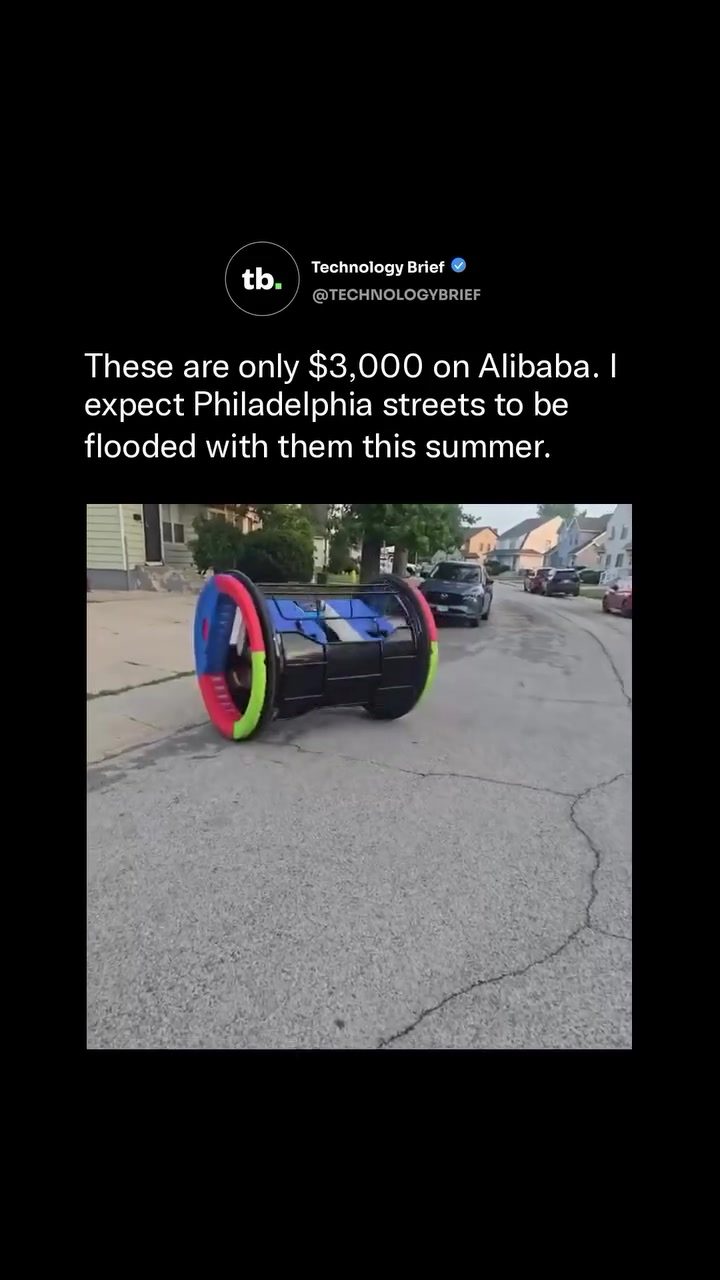
The “Happy Car” — A Unique Electric Ride
The “Happy Car,” also known as the Rolling Car, is a distinctive two-seat electric vehicle that has been gaining attention. Shaped like a giant barrel, this vehicle rolls on two large outer wheels, while the passenger capsule inside can spin freely. This means riders can find themselves fully upside down if the vehicle accelerates or brakes hard enough. Powered by a pair of 300-watt electric motors and a 48-volt battery, the Happy Car can accommodate up to two riders, with a height limit of 6’1” for safety.
Why the Happy Car Matters
Originally designed for amusement parks, carnivals, and shopping malls, the Happy Car has transcended its intended environments. Its vibrant LED lights and programmable sounds make it an eye-catching sight, and its uncontrollable spinning adds an element of excitement and unpredictability. This unique ride has captured public interest, leading many to take it onto regular streets and neighborhood roads. However, the unruly spinning and potential for unexpected movements raise questions about its safety and suitability for public roads.
The Happy Car's design and functionality are sure to spark curiosity. Built with a steel frame and available in multiple colors, it is CE certified for safety in commercial settings. Despite this certification, the vehicle's behavior on public roads is a different matter entirely.
Key Features and Design
The Unique Shape and Movement
The Happy Car's barrel shape and two large outer wheels create a unique driving experience. Riders are enclosed in a capsule that can spin freely, adding an element of thrill and unpredictability. The vehicle's design allows it to roll on its outer wheels while the capsule inside spins, creating a sensation that can be both exhilarating and disorienting. This design is intended for controlled environments like amusement parks, but its introduction onto public roads has brought unexpected challenges.
Electric Powertrain
The Happy Car is equipped with a pair of 300-watt electric motors powered by a 48-volt battery. This electric powertrain ensures a smooth and quiet ride, making it an eco-friendly option. The electric motors provide enough power for the vehicle to accelerate and brake, which can cause the capsule to spin rapidly. This feature, while exciting, can lead to unexpected and sometimes uncomfortable movements for the riders.
Safety Features
The Happy Car is built with a steel frame, which provides structural integrity and safety. It is also CE certified for use in commercial settings, ensuring it meets certain safety standards. However, the vehicle's design and the spinning capsule can pose challenges on public roads. The vehicle is equipped with an emergency stop, but by the time most riders find it, the damage—or laughter—is already done. This highlights the need for better understanding and control over the vehicle's movements.
Size and Rider Comfort
The Happy Car is designed to hold up to two riders, with a height limit of 6’1” for safety. This ensures that the vehicle remains stable and comfortable for the riders. However, the spinning capsule can still lead to unexpected movements, making it less suitable for less experienced or unprepared riders.
What to Expect from the Happy Car
Public Interest and Challenges
The Happy Car has gained viral attention, drawing people to test it on regular streets and neighborhood roads. The vibrant LED lights and programmable sounds make it hard to miss, adding to its appeal. However, the vehicle's uncontrollable spinning and potential for unexpected movements can lead to safety concerns. This has led to questions about whether the Happy Car belongs on public streets or should remain in controlled environments.
Possible Impacts on Street Safety
The Happy Car's unpredictable behavior and the potential for unexpected movements raise questions about its safety on public roads. The vehicle's spinning capsule and rapid acceleration can lead to disorienting and sometimes dangerous situations. This has led to concerns about its impact on street safety and the need for better controls and regulations to ensure the safety of both riders and other road users.
The Future of the Happy Car
As the Happy Car gains popularity, it is likely to become more prevalent on public roads. This raises important questions about its design, safety, and suitability for different environments. While the vehicle offers a unique and thrilling experience, it is essential to address the challenges it poses to ensure the safety of all road users.
Practical Tips for Safe Enjoyment
Understanding the Vehicle's Behavior
Before taking the Happy Car onto public roads, it is crucial to understand its behavior and potential risks. The spinning capsule and unpredictable movements can lead to disorienting and sometimes dangerous situations. Familiarize yourself with the vehicle's controls and the surrounding environment to ensure a safe and enjoyable experience.
Safety Precautions
Always wear appropriate safety gear and ensure that the vehicle is in good working condition. The Happy Car is equipped with an emergency stop, but it is essential to know its location and how to use it effectively. Keep an eye on the surrounding environment and be prepared to react quickly if necessary.
Choosing the Right Environment
The Happy Car is designed for amusement parks, carnivals, and shopping malls, where the environment can be controlled. Consider the environment before taking the vehicle onto public roads. Public roads have unpredictable elements, and the vehicle's behavior can lead to safety concerns. Choose a controlled environment where the vehicle can be operated safely and enjoyably.
Important Takeaways
The Happy Car offers a unique and thrilling experience, but it also poses significant challenges. The spinning capsule and unpredictable movements can lead to disorienting and sometimes dangerous situations. It is essential to understand the vehicle's behavior, take appropriate safety precautions, and choose the right environment for a safe and enjoyable experience. The Happy Car's impact on street safety and the need for better controls and regulations are important considerations for its future.
Conclusion
The Happy Car is a distinctive and exciting electric vehicle that has captured public interest. Its unique design and electric powertrain offer a thrilling experience, but they also pose challenges. The vehicle's behavior on public roads raises important questions about its safety and suitability. As the Happy Car gains popularity, it is essential to address these challenges and ensure the safety of all road users. Whether you are a rider or an observer, understanding the Happy Car's features and potential risks is key to enjoying it safely and responsibly.
Questions readers ask
What makes the Happy Car's design so unique?
The Happy Car stands out with its barrel-shaped body and spinning passenger capsule. Unlike traditional vehicles, it rolls on two large outer wheels and allows the passenger compartment to spin freely, offering a thrilling experience with an upside-down sensation during acceleration and braking.
Can the Happy Car be used on public roads?
While the Happy Car is certified for commercial use, its design and behavior on public roads raise safety concerns. The spinning capsule and erratic movements make it less suitable for regular roads and more appropriate for controlled environments like amusement parks or private events.
What are the specifications of the Happy Car's electric motors and battery?
The Happy Car is equipped with a pair of 300-watt electric motors and a 48-volt battery. This power configuration allows it to accommodate up to two riders, with a height limit of 6’1” for safety reasons.
What are the safety considerations for operating the Happy Car?
Operating the Happy Car requires careful attention to safety. The spinning capsule and the vehicle's erratic behavior during acceleration and braking can lead to disorientation or injury. It is essential for operators to be fully aware of these dynamics and ensure a safe environment for riders.
What kind of environments is the Happy Car best suited for?
The Happy Car is best suited for environments designed for thrill rides, such as amusement parks, carnivals, and shopping malls. These settings allow for controlled experiences and can better manage the unique safety challenges posed by the vehicle's design. Public roads may not be the ideal setting due to safety concerns.
Related deep dives
Similar reads based on topic and creator.




Recent articles
Fresh deep dives from the latest Reels we unpacked.




Comments
Be the first to comment.